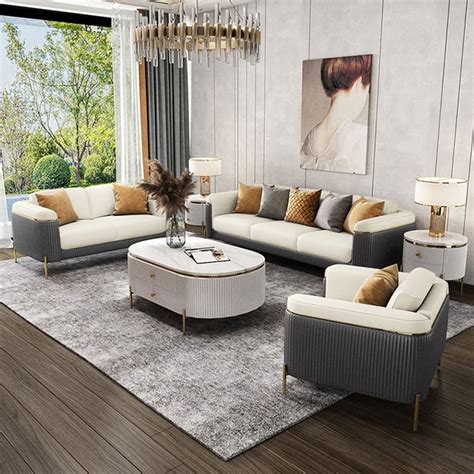
Selecting a sofa or couch is arguably the most significant furnishing decision you will make for your home. Serving as the visual anchor of the living room, a sofa must seamlessly bridge the gap between aesthetic appeal and daily endurance. Whether you are settling into a suburban single-family house with an open-concept floor plan or decorating a compact urban apartment, finding the right balance of material, structure, and scale dictates how well the piece serves your household over the years.
When exploring the vast market of seating options, shoppers are typically drawn to three primary categories: supple leather, versatile fabric, and multi-functional sleeper sofas. Each category brings distinct advantages and practical trade-offs to the table. By evaluating your household composition, spatial limitations, and design preferences, you can narrow down your choices and invest in a centerpiece that elevates both your daily comfort and your home interior.
Leather Sofas: Timeless Durability and Character
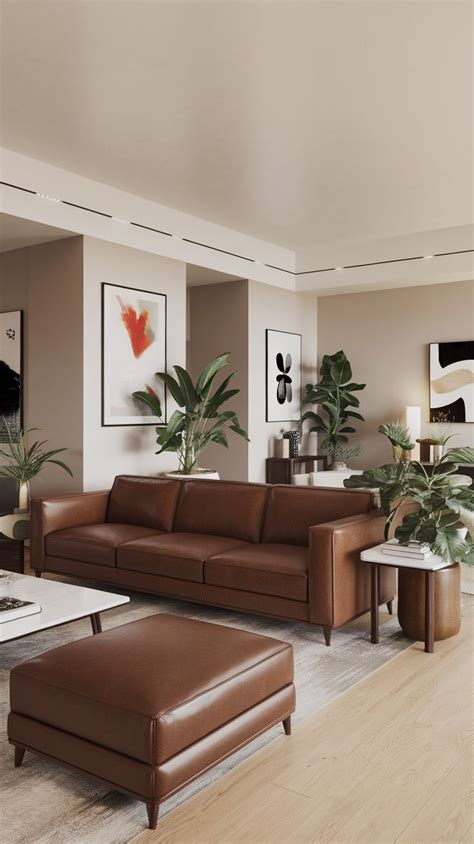
Leather sofas have long been celebrated for their sophisticated appearance and remarkable longevity. Genuine top-grain or full-grain leather develops a rich patina over time, meaning the piece often looks better years after purchase than it did on day one. For households with active children or pets, leather offers a distinct advantage because it does not trap dust mites, pet dander, or lingering odors in the same way woven textiles do, making routine maintenance remarkably straightforward.
However, selecting leather requires careful consideration of climate and lifestyle factors. While high-quality leather is remarkably resilient against accidental spills, it can be susceptible to scratching from sharp pet claws if you opt for softer, more aniline finishes. Furthermore, leather tends to adapt to ambient room temperatures, meaning it can feel cool to the touch during chilly winters and slightly warm during humid summer months. Balancing these characteristics helps determine if leather is the right long-term investment for your main living space.
Fabric Sofas: Endless Versatility and Tactile Comfort
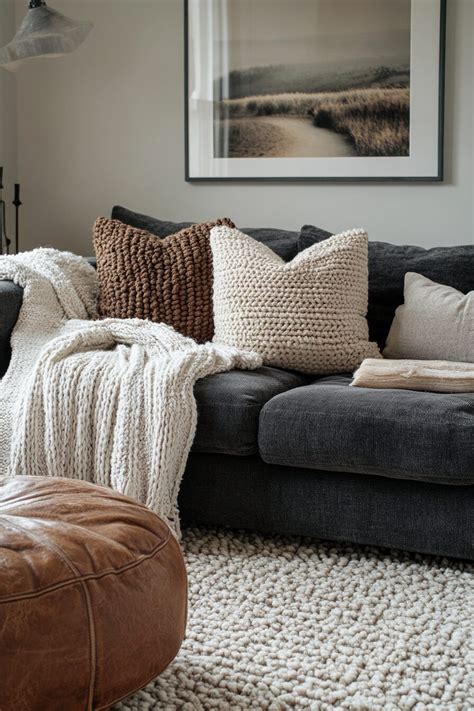
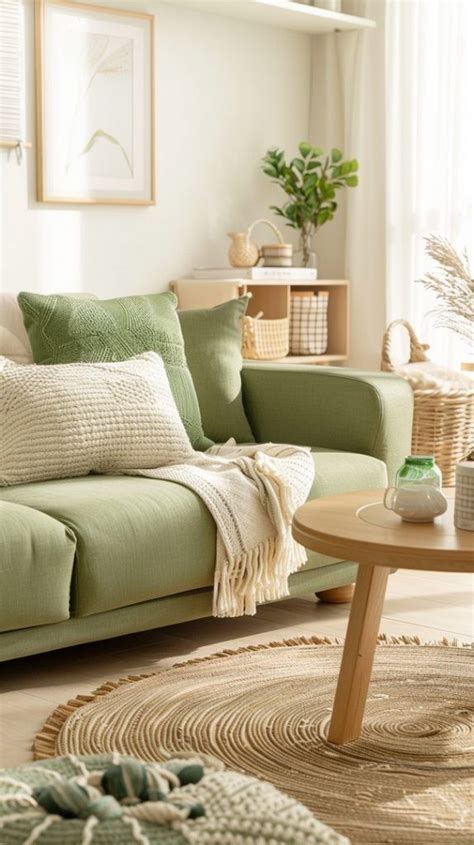
Fabric upholstery remains the most popular choice for American homes due to its incredible versatility in color, texture, and pattern. From heavy-duty performance velvet and textured linen blends to casual cotton canvas, fabric sofas allow you to tailor the exact tactile feel of your room. Performance fabrics, in particular, have revolutionized modern upholstery by offering advanced stain-resistance without sacrificing softness, making them an ideal choice for busy family rooms where movie nights and casual lounging are a daily occurrence.
The primary trade-off with fabric sofas lies in their maintenance requirements. While performance textiles repel liquid effectively, traditional wovens can absorb spills and require professional cleaning or careful spot-treatment. Additionally, fabric upholstery tends to hold onto pet hair and aromas more persistently than leather, necessitating regular vacuuming and upholstery maintenance. Choosing tightly woven or synthetic performance blends significantly mitigates these wear-and-tear concerns while maintaining a cozy, inviting aesthetic.
Sleeper Sofas: Maximizing Functionality in Multi-Use Rooms
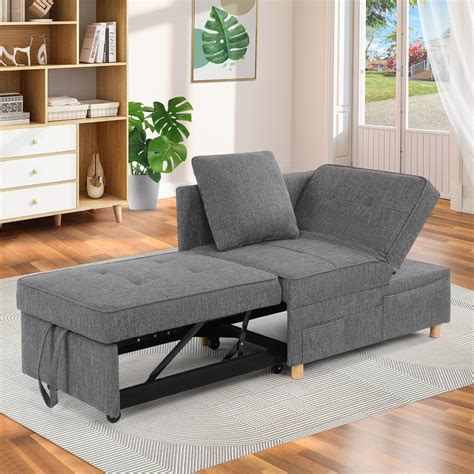
Sleeper sofas and pull-out couches are essential furniture pieces for modern American homes, particularly in guest bedrooms, home offices, or smaller urban apartments where space is at a premium. Modern engineering has largely eliminated the notoriously uncomfortable bar-in-the-back sleeper sofas of the past, introducing memory foam mattresses, air-over-coil systems, and sleek pull-out mechanisms that prioritize sleeping comfort just as much as daytime seating ergonomics.
When shopping for a sleeper sofa, it is vital to evaluate both the mechanism and the mattress thickness while keeping the room’s spatial layout in mind. A pull-out mattress requires adequate floor clearance when fully extended, so measuring the room with the bed open is just as important as measuring for the closed sofa. Furthermore, sleeper frames are inherently heavier than standard sofas due to the integrated metal bed frame, meaning careful delivery planning is required if your home features narrow hallways or tight staircases.
Sizing and Spatial Planning for American Living Rooms
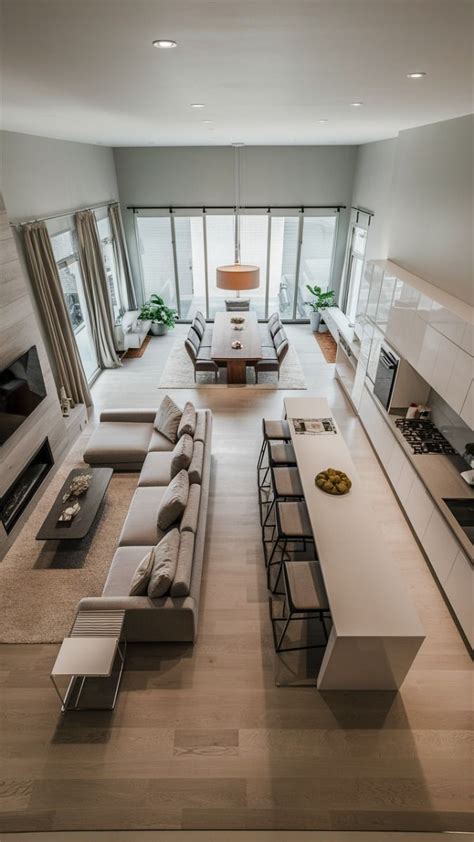
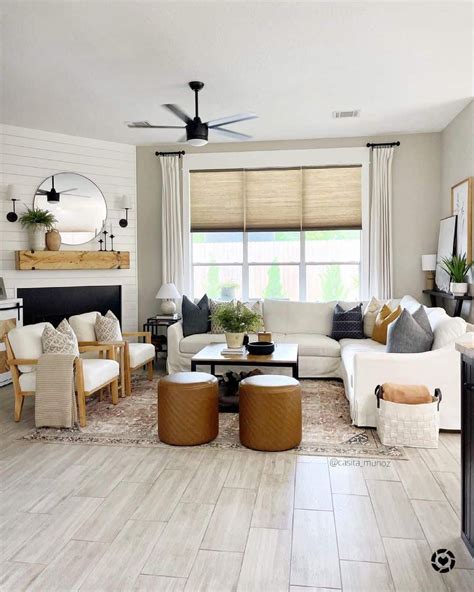
Before committing to any sofa style, precise spatial planning is essential to ensure proper traffic flow and visual balance. Standard American living rooms often feature open-concept layouts that require furniture to float in the middle of the room rather than resting flat against a wall. Always use painter’s tape on your floor to outline the exact dimensions of the prospective sofa, taking note of how the chaise or extended cushions interact with walkways, coffee tables, and entertainment centers.
Beyond the footprint of the sofa itself, evaluate the scale of the back height and arm style relative to your windows and architectural features. Bulky, overstuffed rolled arms can overwhelm a compact apartment living room, whereas sleek track arms can maximize seating space while maintaining a light, airy silhouette. Similarly, check the diagonal depth of your home’s entryways, elevators, and interior doors to ensure the sofa can be delivered without structural complications.
Frequently Asked Questions
Which sofa material is best for households with pets?
Leather and tightly woven performance fabrics are generally the best choices for pet owners. Leather resists trapped pet hair and odors easily, though it can show scratches if not properly finished. Performance fabrics, such as heavy-duty synthetic blends or microfiber, resist snags from claws and clean up spills effectively.
How do I ensure a sleeper sofa is actually comfortable for guests?
Look for modern sleeper mechanisms that incorporate high-density memory foam, latex, or hybrid air-coil mattresses rather than traditional thin springs. Testing the mattress firmness in-store or checking customer reviews specifically addressing sleep quality will help you avoid uncomfortable guest room setups.
What are standard sofa dimensions I should keep in mind?
Standard three-seat sofas typically range from 84 to 96 inches in length, with a depth of 32 to 40 inches. However, apartment-sized sofas often shrink the length down to 72 inches or less. Always measure your room’s clearance and entryways before purchasing.
How do I match my sofa style to my home decor?
Anchor your sofa selection to your overarching design theme—such as clean-lined track-arm sofas for modern spaces, button-tufted leather for traditional or industrial rooms, or slipcovered fabric designs for relaxed farmhouse and coastal aesthetics.