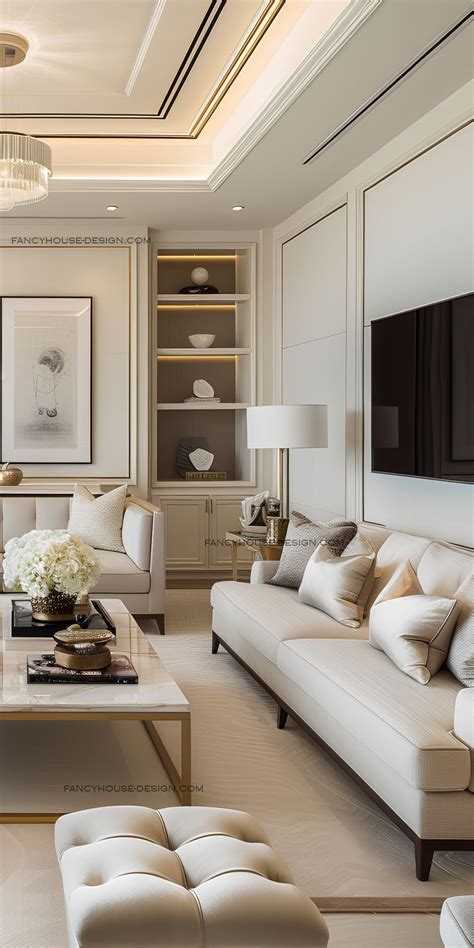
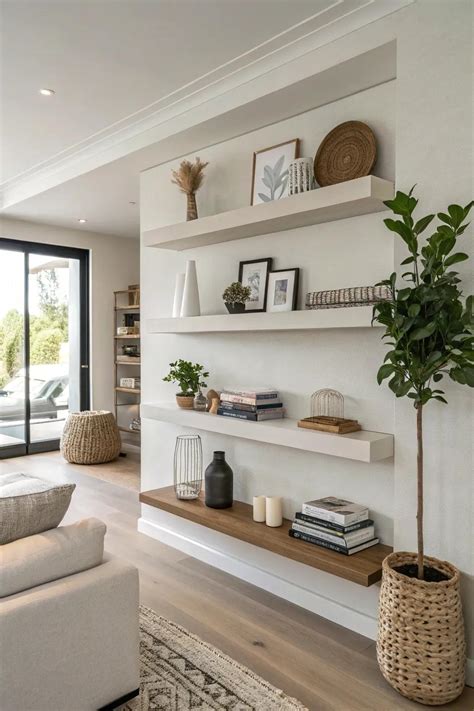
Selecting a new sofa set is one of the most significant investment decisions you will make for your home. Beyond serving as the visual anchor of your living room, your seating arrangement dictates how you relax, entertain guests, and navigate your daily routine. For American homeowners and renters, the ideal seating must seamlessly bridge the gap between plush, inviting coziness and rugged everyday durability. Whether you are furnishing a sprawling suburban family room or maximizing a compact urban apartment, understanding how scale, frame construction, fabric, and configuration intersect will lead you to a piece that stands the test of time.
When shopping for living room furniture, it is easy to get swept up in showroom aesthetics. However, a sofa that looks stunning under bright retail lights may not fit your actual lifestyle or room dimensions. To make a confident choice, you need a clear framework that accounts for traffic flow, household members, climate considerations, and delivery constraints. This guide breaks down the essential criteria needed to evaluate your options and find the perfect sofa set for your unique living space.
Evaluating Your Living Room Space and Layout
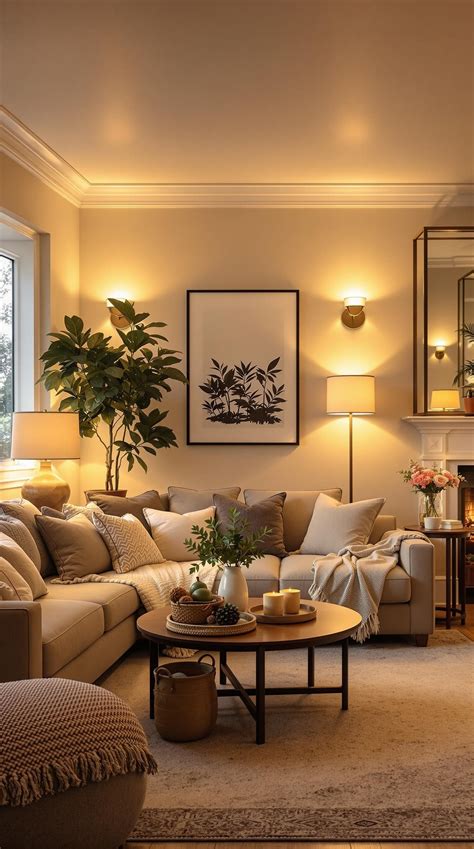
Before browsing styles or fabrics, meticulous spatial planning is essential. American living spaces vary wildly, ranging from historic split-levels and suburban open-concept great rooms to narrow city apartments. Understanding your room’s perimeter, focal points, and traffic lanes prevents the common mistake of purchasing a sofa set that either overwhelms the room or leaves awkward, unusable gaps.
Start by mapping out your room on graph paper or using digital room-planning tools. Note the placement of architectural elements like fireplaces, television mounts, and windows, as these dictate where your primary seating should face. In open-concept layouts, a sofa set also acts as a subtle room divider, defining the boundary between the living area and the kitchen or dining space without the need for physical walls.
Mastering Traffic Flow and Scale
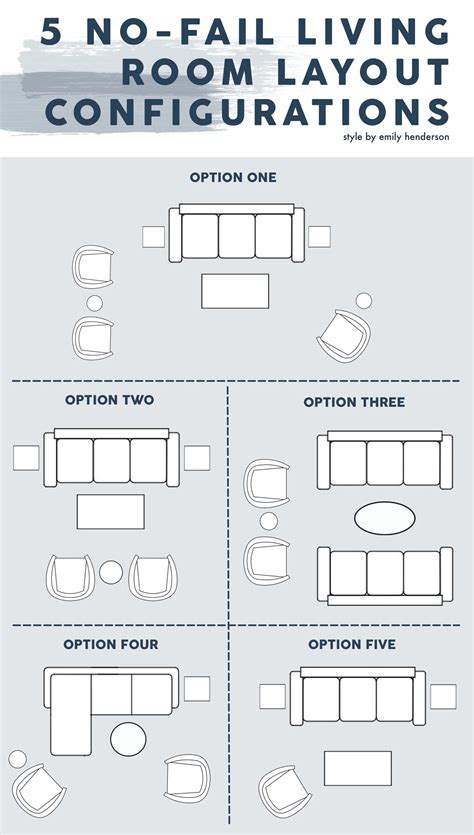
A functional living room requires clear pathways. As a general rule of thumb, leave at least 30 to 36 inches of walking space around major furniture pieces so people can move comfortably through the room without bumping into tables or armrests. Scale is equally critical; high-ceilinged suburban homes can easily accommodate deep, substantial sectional configurations, while standard apartment living rooms usually call for streamlined silhouettes with exposed legs that maintain a sense of visual lightness.
Consider how your family interacts on a daily basis. If your living room is primarily used for movie nights and sprawling out with pets, a deeper seat depth and a chaise or sectional configuration will prioritize comfort. If the room serves formal hosting purposes, a matching sofa and loveseat set arranged in a conversational layout creates a more structured, balanced aesthetic.
Sofa Set Configurations: Sectionals, Loveseats, and Matching Sets
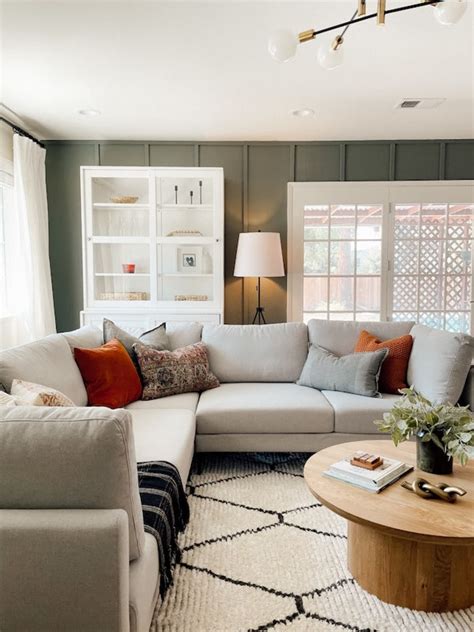
Choosing the right configuration depends entirely on your seating capacity needs and room geometry. The modern furniture market offers three primary seating arrangements, each offering distinct advantages for daily household routines.
Sectionals are the undisputed champions of lounging. They maximize corner spaces and provide ample seating for large families, but they can be inflexible if you move to a home with a different floor plan. Traditional matching sets—typically pairing a three-seater sofa with a matching loveseat or armchair—offer timeless symmetry and flexible arrangement options, allowing you to reposition pieces as your needs evolve over time.
When to Choose a Sectional vs. a Traditional Set
Opting for a sectional makes sense if your household frequently gathers for movie marathons or if your open-concept layout requires a large piece to anchor a sprawling space. Many modern sectionals feature reversible chaises, giving you the versatility to configure the long end on either the left or right side depending on your room layout.
Conversely, traditional sofa sets shine in multi-purpose or formal living rooms. If you frequently host guests and prefer a setup where people face one another rather than sitting side-by-side, a sofa paired with two armchairs or a loveseat creates an intimate conversational circle. This layout also makes it easier to vacuum underneath and rearrange your furniture seasonally.
Balancing Aesthetics with Everyday Durability
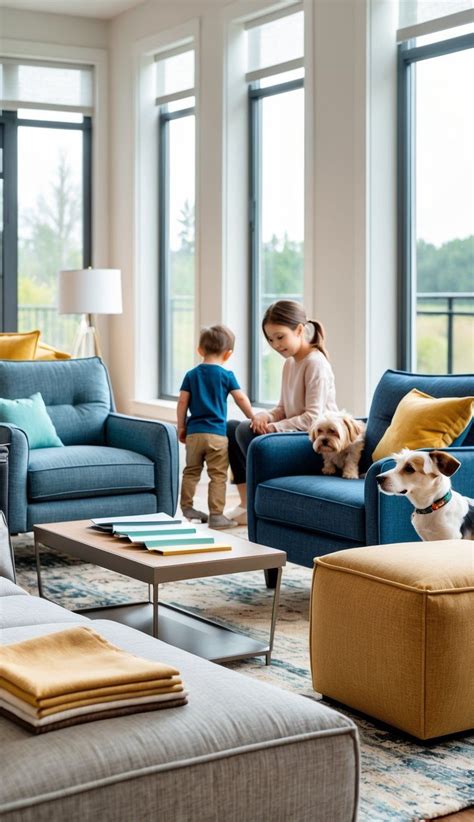
A beautiful sofa is only as good as its internal skeleton and upholstery resilience. For households with young children, teenagers, or pets, durability is non-negotiable. Evaluating construction quality requires looking past the surface fabric to examine how the frame, suspension, and cushions are built.
High-end furniture frames are constructed from kiln-dried hardwood, such as oak, maple, or birch, which prevents warping and cracking over time. Avoid frames made of particleboard or green wood, as they tend to wobble and break under heavy use. Beneath the cushions, look for high-density foam wrapped in down-alternative or fiber, which offers a supportive sit that bounces back rather than sagging permanently after a few months of use.
Selecting Family-Friendly Upholstery and Performance Fabrics
Textile technology has evolved remarkably, making performance fabrics the gold standard for busy U.S. homes. Synthetic blends featuring treatments like Crypton or heavy-duty solution-dyed acrylics repel liquids, resist stains, and withstand aggressive clawing from cats and dogs without sacrificing a soft, luxurious hand-feel.
If you prefer natural fibers like cotton or linen, look for slipcovered designs that can be easily removed and professionally cleaned or machine washed depending on the fabric care instructions. Leather is another exceptional choice for durability; high-quality top-grain leather develops a rich patina over time and can be wiped clean of spills instantly, though it requires occasional conditioning to prevent drying out in arid climates or homes with heavy indoor heating.
Navigating Delivery: Measuring Doors, Hallways, and Stairwells
One of the most stressful moments in furniture shopping is discovering that your new sofa set cannot physically fit through your front door or navigate a tight apartment stairwell. Prevent this delivery nightmare by taking precise measurements of every architectural bottleneck along the delivery path.
Measure the width and height of your exterior entryways, interior hallways, elevator doors, and any sharp staircase turns. Compare these dimensions against the sofa’s box dimensions and its diagonal depth—the measurement from the top back frame to the front base. Many modern sofas are designed with removable legs or modular components to help maneuver tight corners, so always check the product specifications before purchasing.
Frequently Asked Questions
How do I choose between a sectional and a traditional sofa set?
Choose a sectional if you want to maximize lounging space, fill a large open-concept room, or utilize an awkward room corner. Choose a traditional sofa set (such as a sofa and matching loveseat or armchairs) if you prefer flexible layouts, formal conversation areas, or anticipate moving to a home with a different floor plan in the near future.
What are the best upholstery fabrics for families with pets and children?
Performance fabrics, such as solution-dyed acrylics and tightly woven synthetic blends treated with stain-resistant technology, are ideal for busy households. Top-grain leather is also an excellent durable choice because it resists liquid absorption and is easy to wipe clean, though it requires occasional conditioning.
How can I measure my living room correctly to ensure the sofa fits?
Measure your available floor space while leaving at least 30 to 36 inches of clearance for walking paths. Additionally, measure your home’s entryways, hallways, and stairwells—including diagonal clearances—to ensure the delivery team can successfully transport the furniture into the room.
What sofa size works best for open-concept U.S. living rooms?
In open-concept spaces, larger sectional sofas or deep three-seater sofas work best because they have the visual weight necessary to anchor the space and naturally divide the living zone from adjoining dining or kitchen areas without closing off the room.