Selecting the right furniture for a living room involves balancing visual appeal with everyday practicality. When browsing decorative living room tables through major retailers like Rooms To Go, the sheer variety of styles, materials, and configurations can make the decision-making process challenging. Whether you are settling into a newly purchased suburban house or looking to refresh a compact urban rental apartment, your tables serve as both functional anchors and focal design elements.
Understanding how different table types interact with your room layout ensures that your living space feels balanced rather than overcrowded. This guide explores how to select and style coffee tables, end tables, and accent pieces that fit your lifestyle constraints, spatial dimensions, and design preferences without compromising on character.
Navigating Table Types for Different Room Layouts
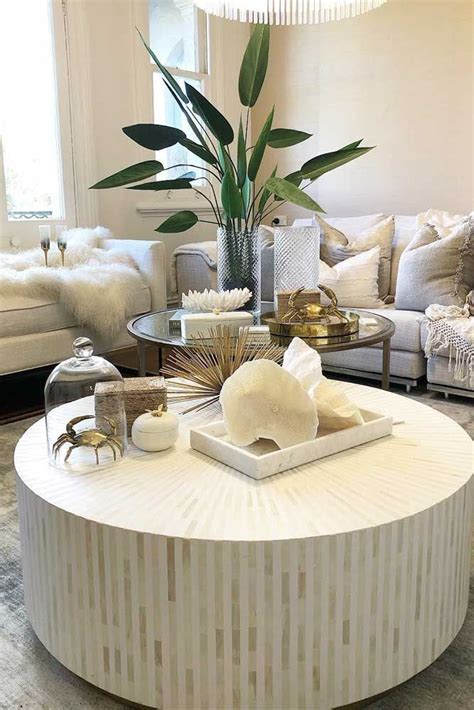
The foundation of any cohesive living room seating arrangement relies on choosing the correct mix of table types. A traditional central coffee table works wonderfully in expansive family rooms with a large sectional or a full sofa-and-loveseat combination. However, open-concept floor plans and smaller urban rentals often call for more flexible alternatives, such as nesting tables or scaled-down cocktail tables that preserve essential walking paths.
Console tables placed against the back of a floating sofa or along an entryway wall can also anchor an open living area, providing extra display space for lamps and decorative objects. When evaluating the Rooms To Go catalog or similar selections, consider how many surface areas you genuinely need for daily activities like setting down beverages, storing remote controls, or displaying books.
Sizing and Scaling Tables for U.S. Apartments and Rentals
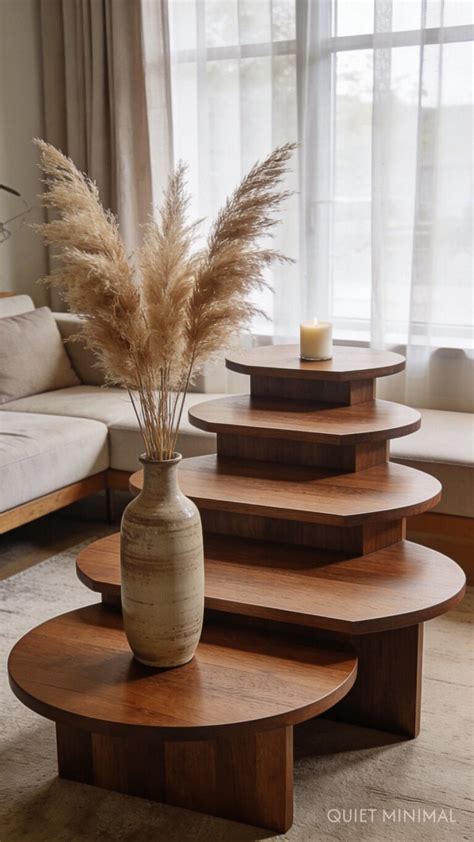
Renting an apartment often means working with fixed architectural boundaries, compact square footage, and strict layout limitations. In these tighter settings, oversized furniture can quickly overwhelm the room, making navigation difficult and creating visual clutter. Choosing lighter, multi-functional pieces is an effective strategy for renters who want high style without permanent spatial commitments.
Nesting tables are a renter’s best friend because they provide expandable surface area when hosting guests, yet tuck neatly underneath one another when floor space is at a premium. Similarly, selecting a round or oval coffee table instead of a rectangular one softens sharp corners in narrow rooms and improves traffic flow around the seating area. Always measure your clearance zones, ensuring there is at least 14 to 18 inches of space between your sofa edge and the coffee table.
Balancing Material Durability and Decorative Appeal
Aesthetics matter, but material choice dictates how well your living room furniture withstands the demands of daily life. Households with young children or pets benefit immensely from tempered glass alternatives, durable finished wood veneers, or powder-coated metal frames that resist everyday wear and tear. Solid wood brings natural warmth and timeless character, though it may require coasters and routine dusting to maintain its finish.
Mixing materials within your living room tables adds sophisticated visual depth rather than matching every piece from a single uniform collection. Pairing a metal-and-glass accent table with a warmer wooden coffee table prevents the room from feeling like a rigid showroom exhibit. Look for finishes that complement your existing flooring, window frames, and media consoles to create a harmonious atmosphere throughout the space.
Actionable Frameworks for Styling Your Tabletops
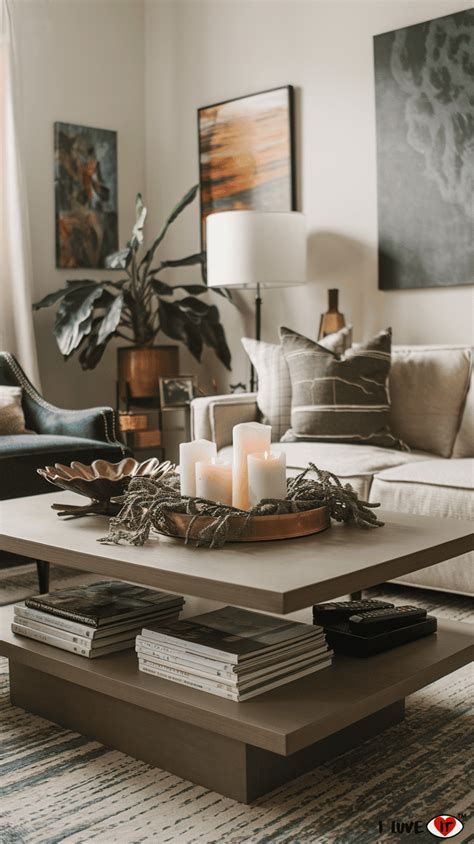
Once your decorative living room tables are in place, styling the surfaces transforms raw furniture into curated design statements. A reliable interior design approach is the rule of threes, which suggests grouping decorative items in odd numbers for a more natural, dynamic arrangement. Combine items of varying heights, textures, and functions, such as a stack of hardcover books, a sculptural ceramic bowl, and a scented candle or small potted plant.
Avoid overcrowding the table surfaces so that functionality is preserved. A coffee table should still leave enough clear room to set down a tray or a coffee mug comfortably. By rotating seasonal accents—such as exchanging bright botanical prints in the summer for textured ceramic pumpkins or pinecones in autumn—you can keep your living room feeling fresh and intentional year-round.
Frequently Asked Questions
What types of decorative living room tables are best for small rental spaces?
Nesting tables, round cocktail tables, and slim accent end tables are ideal for small rentals. They maximize surface area when needed while maintaining open traffic paths and minimizing visual clutter in compact layouts.
How do I choose the correct coffee table height for my sofa?
As a general rule of thumb, your coffee table should be roughly the same height as your sofa seat cushions, or slightly lower (usually between 16 to 18 inches high), to ensure comfortable access and proper ergonomic balance.
Are mixed-material tables durable for households with pets and children?
Yes, materials like powder-coated metal frames, engineered wood with durable laminate finishes, and shatter-resistant tempered glass often handle high-traffic family environments very well while offering modern decorative appeal.
How can I style my living room tables without making them look cluttered?
Stick to the rule of threes by grouping objects in odd numbers, combine varying heights and textures (such as books, trays, and ceramics), and always leave at least half of the tabletop surface completely clear for everyday functional use.


