For generations, the traditional recliner was often viewed as a compromise: you sacrificed aesthetic elegance in your living room for the sake of undeniable, foot-elevating comfort. Fortunately, contemporary furniture design has entirely rewritten that rulebook. Today’s marketplace features silhouettes that merge ergonomic engineering with high-end interior aesthetics, allowing you to elevate your relaxation without disrupting your curated home decor.
Whether you are outfitting a spacious suburban family room or maximizing a compact metropolitan apartment layout, finding the right piece requires balancing mechanical functionality with visual proportion. By understanding the distinct categories of reclining furniture available, you can select an option that anchors your room’s design while offering a dependable sanctuary for everyday unwinding.
Traditional vs. Modern Recliner Aesthetics
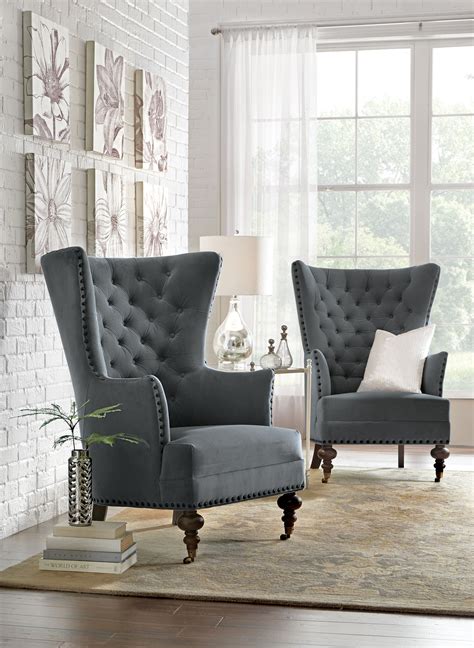
When most people think of classic recliners, oversized overstuffed models upholstered in heavy dark leather or thick textured microfiber immediately come to mind. These traditional pieces prioritize voluminous cushioning, pillow-top arms, and deep seating pockets designed to cradle the entire body. While they offer unmatched casual coziness, they can easily overwhelm modest room layouts or clash with streamlined contemporary design schemes.
Modern recliners, on the other hand, embrace clean lines, tailored tailoring, tapered wooden or brushed metal legs, and slim profile arms. These silhouettes often disguise their reclining mechanisms entirely, mimicking the profile of sophisticated accent chairs or mid-century modern armchairs until the footrest is deployed. This design evolution means you no longer have to hide your comfortable seating away in a den or media room; instead, these chairs can take center stage alongside your primary sofa.
The Push-Back Recliner Option
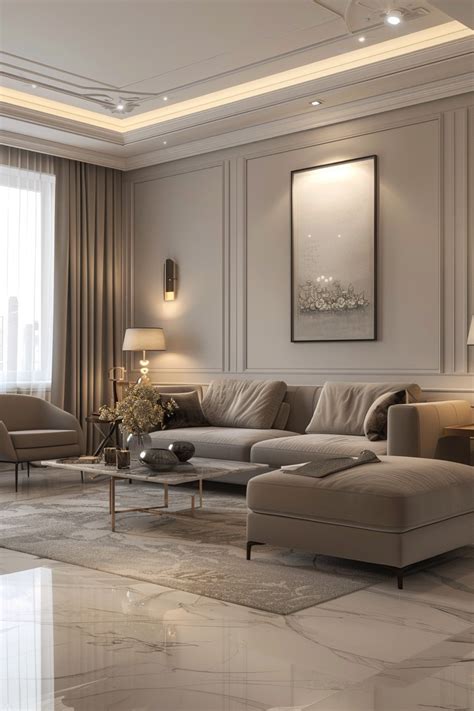
Push-back recliners represent the ultimate bridge between classic armchair style and hidden comfort functionality. Rather than relying on an exterior plastic handle or a bulky side lever, this style operates simply by applying gentle pressure against the backrest while shifting your weight backward.
Because they lack external hardware or levers, push-back models maintain a tailored silhouette that works exceptionally well in formal living rooms, home libraries, and cozy reading nooks where traditional bulky recliners would look entirely out of place.
Space-Saving Solutions: Wall-Huggers for Compact U.S. Homes
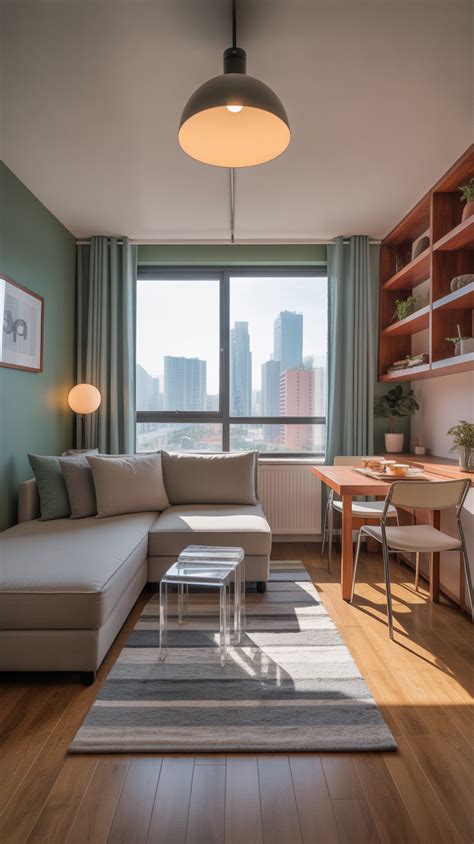
In many urban apartments and suburban townhomes, square footage is at a premium, making furniture placement a careful exercise in spatial geometry. A standard recliner requires significant clearance behind the backrest—often twelve to eighteen inches—to fully recline without striking the wall, which can consume valuable floor space in narrower rooms.
Enter the wall-hugger recliner, an ingenious engineering solution specifically designed for tight footprints. These chairs feature a specialized sliding track mechanism that shifts the seat forward as the backrest reclines, meaning the entire chair moves forward rather than backward. As a result, a wall-hugger requires only a few inches of clearance from the wall behind it, freeing up precious central floor space in smaller living areas.
Selecting Fabrics for Durability and Style
Choosing the right upholstery material is just as important as selecting the mechanism, especially in high-traffic households with children or pets. Performance fabrics, tightly woven chenille, and top-grain leathers offer distinct advantages depending on your daily lifestyle demands.
Performance velvet and stain-resistant treated wovens provide a luxurious tactile feel while standing up remarkably well to everyday wear and tear. Meanwhile, genuine leather offers timeless appeal and ages gracefully over time, developing a rich patina that enhances casual and traditional living room settings alike.
Power Recliners and Tech-Integrated Comfort
The integration of motorized technology has revolutionized how we experience home seating, moving far beyond simple single-position adjustments. Power recliners utilize quiet, hidden electric motors that allow you to customize your recline angle with precision, stopping at any exact point between upright and fully flat.
Many advanced models feature independent control for the footrest and the backrest, allowing you to watch television with your legs elevated while keeping your upper torso supported at an upright viewing angle. Additionally, modern power recliners frequently incorporate built-in USB charging ports, power lumbar support adjustment, and memory settings to recall your preferred relaxation posture instantly.
Integrating Recliners into Your Living Room Layout
Successfully incorporating a recliner into an existing room design involves careful consideration of scale, color harmony, and traffic flow. Avoid pairing an extremely heavy, oversized recliner with delicate, slender-legged mid-century modern sofas, as the visual imbalance can make the room feel disjointed and cluttered.
Instead, anchor the chair with a complementary side table and a dedicated reading lamp to create a purposeful, inviting micro-zone within the broader living room layout. Pay close attention to pathways as well; ensure that even when the chair is fully extended, it does not block natural walkways, doorways, or access to media consoles and shelving units.
Frequently Asked Questions
What is the main difference between a wall-hugger and a standard recliner?
A standard recliner requires significant clearance behind it because the backrest tilts backward into the room. A wall-hugger recliner uses a sliding track mechanism that shifts the entire seat forward as it reclines, allowing the chair to sit just inches away from a wall.
Can a recliner chair look modern and stylish?
Yes. Modern recliner designs feature slim profiles, tapered legs, and hidden mechanisms that look indistinguishable from high-end accent chairs when in the closed position, making them suitable for sophisticated interior design schemes.
Are power recliners difficult to set up in a living room?
Power recliners are straightforward to set up, generally requiring only access to a standard electrical wall outlet. Many models also feature battery pack options if placing the chair away from a wall outlet is necessary for your room layout.
How do I choose the right size recliner for my height?
When sitting upright, your feet should rest flat on the floor with your knees at a 90-degree angle, and the top of the backrest should adequately support your head and neck when reclined. Checking manufacturer dimensions for seat depth and back height is essential before purchasing.


