Designing a comfortable and visually appealing gathering space begins with selecting the right living room furniture set. Whether you are settling into a compact urban apartment, a sprawling suburban home, or a breezy coastal retreat, your furniture must balance everyday functionality with architectural harmony. Because the living room is often the most heavily trafficked room in the house, choosing pieces that work together cohesively prevents visual clutter and establishes an inviting atmosphere for both residents and guests.
Successful room planning requires looking beyond individual couches and accent chairs to understand how an entire set interacts with natural light, traffic flow, and room dimensions. By evaluating your lifestyle needs against specific design frameworks, you can create a balanced environment that feels intentional, comfortable, and uniquely tailored to your personal aesthetic.
Matching Architecture with Aesthetic Choices

The architectural foundation of your home plays a crucial role in determining which furniture style will feel most natural. For instance, mid-century modern or streamlined contemporary sets often complement the clean lines and large windows of urban high-rises. In contrast, traditional Craftsman homes or modern farmhouses benefit from warm wood tones, substantial upholstery, and textured fabrics that echo rustic or classic American craftsmanship.
When assessing your space, take note of fixed architectural elements such as fireplace mantels, built-in shelving, or large picture windows. A bulky sectional might overpower a historic bungalow with compartmentalized rooms, whereas a sleek sofa paired with slim-profile armchairs maintains an airy feel. Aligning your furniture silhouette with your home’s inherent architecture ensures that the layout looks organic rather than forced.
The Great Debate: Matching Sets Versus Curated Collections
One of the most common dilemmas homeowners face is whether to purchase a complete, pre-matched living room set—typically including a sofa, loveseat, and matching coffee table—or to curate a more eclectic look. Matching sets offer undeniable convenience and guaranteed color coordination, making them an efficient choice for busy households or those starting fresh in a new home.
However, relying entirely on a matching suite can sometimes make a living room feel flat or showroom-like. A popular design strategy involves anchoring the room with a primary seating piece from a specific collection and introducing complementary accent chairs, side tables, or textiles with contrasting textures. This layered approach introduces visual depth while maintaining a unified color palette, giving your living space a more collected, designer-grade finish.
Balancing Scale, Proportion, and Traffic Flow
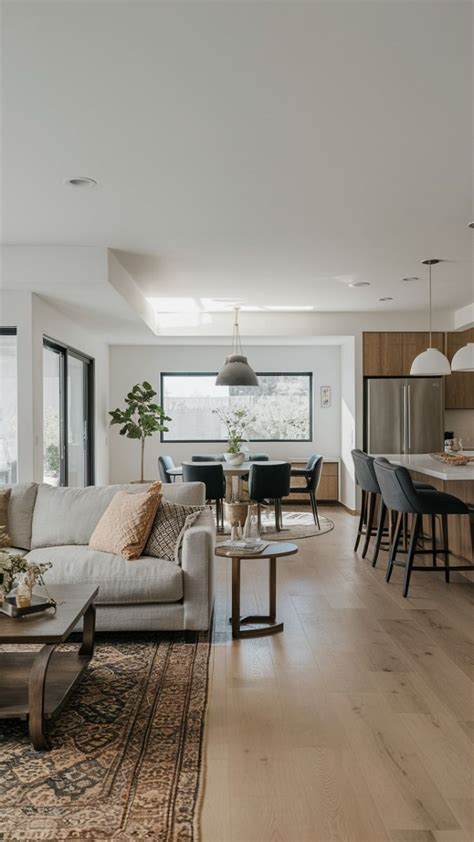
Scale and proportion are critical technical factors that dictate whether a living room furniture set will function successfully in daily life. Before purchasing any large items, map out your floor plan and account for essential walkways. In open-concept suburban layouts, furniture sets can be used effectively to “zone” the space, floating sofas away from walls to separate living areas from dining or kitchen zones.
In smaller urban spaces, every square inch matters. Selecting modular furniture or apartment-scale sofas with exposed legs creates the illusion of more floor space by allowing light to pass underneath. Always leave at least thirty inches of clearance around primary pathways to ensure the room remains comfortable to navigate during daily routines and social gatherings.
Durability, Materials, and Family-Friendly Living
Beyond aesthetics and layout, the materials composing your furniture set must withstand the realities of your household. Families with children or pets should prioritize performance fabrics like Crypton, indoor-outdoor blends, or tightly woven microfiber that resist stains and claw snags. Leather and high-grade faux leather also offer exceptional wipe-clean durability while developing a rich patina over time.
Frame construction and cushion fill deserve equal scrutiny. Kiln-dried hardwood frames provide superior structural integrity that prevents warping over the years, while high-resilience foam wrapped in down-alternative channels offers long-lasting support without requiring constant fluffing. Investing in quality underlying materials ensures your living room furniture set retains both its structural stability and visual appeal for years to come.
Frequently Asked Questions
How do I choose a living room furniture set that fits my room size?
Begin by measuring your room dimensions and mapping out clear pathways with painter’s tape on the floor. For smaller rooms, choose apartment-scale furniture with exposed legs to maintain an open feel. For larger open-concept rooms, opt for substantial sectionals or floating arrangements that anchor the central gathering space.
Should I buy a matching furniture set or mix different pieces?
Both approaches have merits. Complete matching sets provide effortless color coordination and convenience. Curating a mixed collection with varying textures and wood tones creates a more personalized, layered designer look. Many homeowners strike a balance by buying a matching sofa and loveseat, then adding unique accent chairs and tables.
What are the most durable fabrics for high-traffic living rooms?
Performance fabrics such as canvas blends, solution-dyed acrylics, and heavily woven polyester offer excellent stain resistance and durability. Top-grain leather is also an exceptional choice for busy households because it resists liquid absorption and can be easily wiped clean.


