Designing a welcoming living room often starts with the anchor pieces: the sofa, accent chairs, and coffee tables that define how the room functions day-to-day. For many American homeowners and renters, shopping for individual pieces can feel overwhelming, which is why pre-coordinated furniture collections have become such a popular choice. Platforms like Wayfair feature extensive assortments of packaged living room sets that take the guesswork out of matching woods, upholstery tones, and leg finishes. Whether you are outfitting a spacious suburban open-concept floor plan or a compact urban apartment, choosing a cohesive collection helps establish a balanced, designer-finished look without requiring endless hours of individual item scouting.
However, successful room styling goes beyond simply buying a matching suite of furniture. It requires careful consideration of scale, traffic flow, fabric durability, and how the pieces will interact with your existing architecture and natural light. By understanding how to evaluate different furniture configurations, material types, and aesthetic categories, you can transform a standard catalog purchase into a personalized, deeply comfortable living space tailored specifically to your household’s daily lifestyle.
Matching Styles to Your Architectural Background
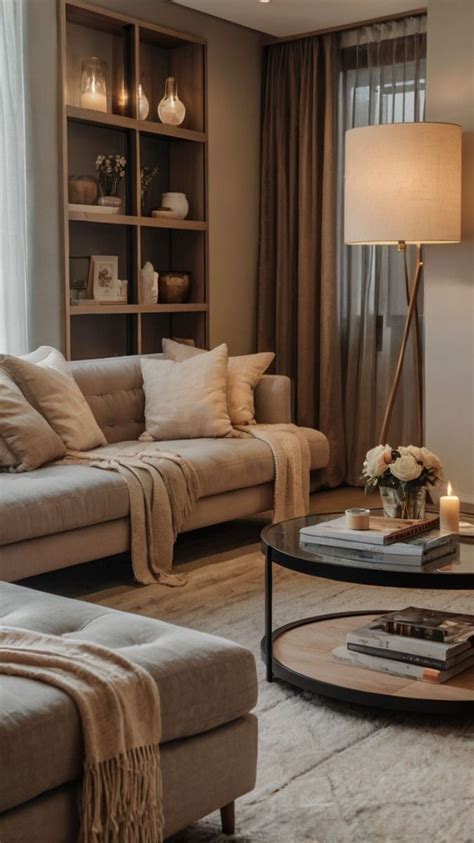
Before selecting a specific furniture package, look closely at your room’s architectural features, such as flooring materials, window placements, and trim details. Modern minimalist furniture sets featuring sleek metal frames, low profiles, and neutral performance fabrics tend to shine in contemporary spaces with large windows and clean lines. Conversely, if your home features rustic hardwood floors, crown molding, or traditional brick fireplaces, a farmhouse-inspired or transitional set with warm wood veneers and tufted upholstery often creates a much more harmonious visual dialogue.
It is also essential to consider how furniture silhouettes influence the perception of space in rooms with lower ceilings or limited natural light. Opting for pieces with exposed legs allows light to pass underneath the furniture, making the entire room feel airier and more expansive. Bulky, heavy-skirted sofas can anchor a grand, high-ceilinged traditional living room brilliantly, but they can quickly overwhelm a compact apartment. Evaluating your room’s physical envelope first ensures that your newly purchased furniture enhances the architecture rather than competing with it.
Balancing Scale and Function in Compact Apartments vs. Large Open Spaces

Spatial planning is arguably the most critical step when browsing online furniture catalogs. In a sprawling suburban family room, you have the luxury of pairing a large sectional sofa with matching armchairs, a generous center cocktail table, and complementary side tables. This arrangement fills the expansive square footage comfortably and creates distinct conversation zones. For open-concept layouts, these larger sets also act as functional room dividers, cleanly separating the living area from the adjacent kitchen or dining space without the need for permanent walls.
On the other hand, compact urban apartments and smaller townhomes demand a much more disciplined approach to furniture scale. Instead of massive multi-piece suites, look for streamlined apartment-sized sofas paired with nesting coffee tables or multifunctional ottomans that double as hidden storage. Modular sets are particularly valuable in tight spaces because they allow you to reconfigure the layout as your needs change. Always use painter’s tape to map out the exact footprint of the furniture pieces on your floor before ordering to verify that you will maintain comfortable walking clearances around every item.
Prioritizing Material Durability, Comfort, and Real-Life Practicality
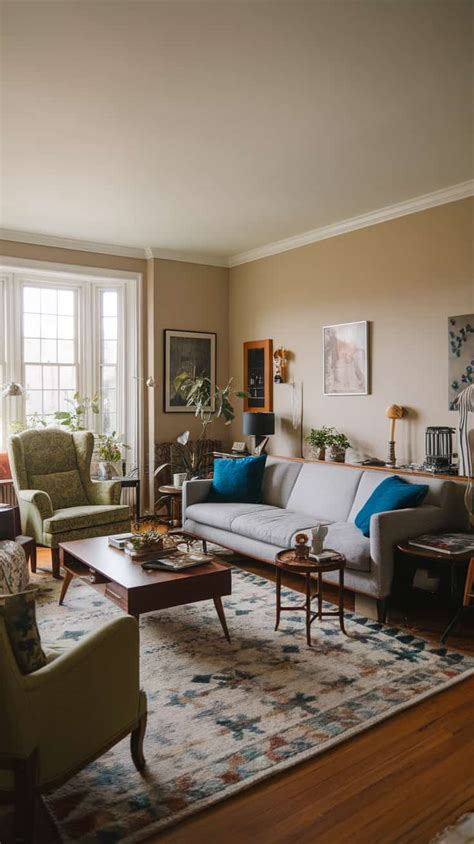
A living room set must look appealing, but it also has to withstand the rigors of everyday living, particularly if you share your home with children, pets, or frequent guests. When examining upholstery options across various collections, pay close attention to fabric specifications. Performance fabrics, such as tightly woven synthetic blends and treated chenille, offer superior stain resistance and are significantly easier to clean than delicate linens or untreated cottons. Leather and faux-leather finishes are also exceptional for busy households because they can be easily wiped down, though they require occasional conditioning to prevent drying and cracking.
Comfort is another factor that cannot be fully judged by a photograph alone, making customer reviews and product descriptions vital research tools. Look closely at cushion construction details within the product specifications. High-resilience foam cores wrapped in down-alternative fibers typically offer a supportive yet plush sit that holds its shape over years of daily use, whereas cheaper all-foam cushions may flatten prematurely. Furthermore, checking verified buyer feedback regarding assembly difficulty and frame construction—such as corner-blocked solid wood frames versus particle board—will give you realistic insight into the long-term durability of the set.
Coordinating Decor Around a Pre-Packaged Foundation
One common concern among interior design enthusiasts is that pre-packaged living room sets might make a space look generic or overly coordinated, resembling a showroom floor rather than a personal home. The secret to avoiding this pitfall lies in layering your own personal decor elements on top of the foundational furniture pieces. Use the neutral backdrop of a coordinated sofa and accent chairs to introduce texture, pattern, and color through changeable accessories like throw pillows, patterned area rugs, woven baskets, and wall art.
Additionally, do not feel obligated to use every single matching piece that arrives in a multi-item bundle if it crowds the room. For example, if a set includes a coffee table and two matching end tables, you might choose to use just the coffee table and substitute a unique vintage accent table or a sculptural floor lamp in place of the standard matching end tables. Breaking up the uniformity with contrasting materials, such as adding a rustic reclaimed wood stool next to a sleek modern sofa, infuses character and creates a thoughtfully curated look that feels entirely authentic to you.
Frequently Asked Questions
What pieces are typically included in a complete living room set?
Standard living room sets usually include a primary sofa and a matching loveseat or accent chair. Larger comprehensive collections may also bundle a matching coffee table, two end tables, and sometimes even table lamps or a media console to create a fully coordinated room instantly.
How can I ensure the furniture color will match my walls in person?
Monitor settings and professional studio lighting can make fabric colors appear slightly different online than they look in a home environment. It is always wise to order fabric swatches when available, or check customer review photos to see how the upholstery color reads under natural daylight and indoor warm lighting.
Are pre-packaged furniture sets difficult to assemble?
Assembly requirements vary significantly by manufacturer. Most upholstered pieces require minimal effort, such as simply screwing in the legs or attaching modular sections, while coffee tables and media consoles typically require full assembly with provided hardware. Reading customer feedback regarding assembly instructions can help you gauge the time and effort needed.
How do I handle returns if a living room set does not fit my space?
Before purchasing any large furniture suite, thoroughly review the retailer’s return policy, noting any potential restocking fees or requirements for original packaging. Measuring your doorways, stairwells, and elevator dimensions ahead of delivery is the best way to prevent fit-related return hassles.


