Choosing a recliner used to mean choosing between two extremes: a bulky, oversized leather throne that dominated the living room or a stiff armchair that offered zero relaxation. Today, the furniture market has evolved significantly, allowing homeowners and renters alike to enjoy customized ergonomic support without compromising on modern interior design aesthetics. Whether you are outfitting a sprawling suburban family room or a compact urban apartment, finding a piece that aligns with your lifestyle requires looking beyond the initial showroom comfort test.
Successfully integrating a reclining chair into your home begins with understanding how different mechanisms, footprints, and upholstery selections interact with your daily routine. By evaluating spatial constraints, mechanical durability, and visual scale ahead of time, you can invest in a seating solution that looks intentional rather than out of place. This guide explores the essential decision criteria needed to navigate the wide array of modern recliners available for American households today.
Navigating Recliner Mechanics: Push-Back, Power, and Rocker Styles
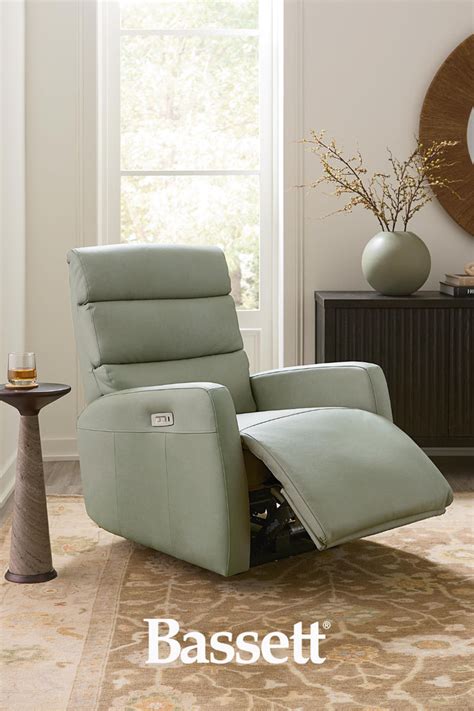
The internal mechanism of a recliner dictates both its daily operation and its physical footprint within your room. Manual push-back recliners rely on your body weight to recline, offering a sleek, streamlined silhouette that closely resembles a traditional accent chair. Because they lack bulky levers or electronic cords, push-back models are often favored by interior designers working in formal living rooms where maintaining a clean aesthetic is a top priority.
On the other hand, power recliners provide infinite reclining angles controlled by discreet buttons, often featuring adjustable headrests and lumbar support. While they require proximity to an electrical outlet and include mechanical components that demand careful consideration regarding long-term warranties, power systems excel in personalized comfort. Rocker and glider recliners add a gentle motion component, making them perennial favorites for nurseries and casual dens, though their rocking clearance requires careful spatial planning to avoid wall damage.
Balancing Scale and Space: Fitting Recliners in U.S. Homes
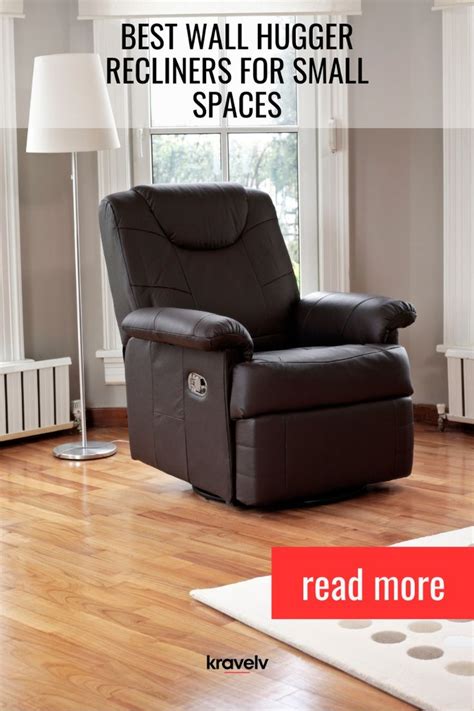
Spatial planning is arguably the most critical step when purchasing a recliner, particularly in American homes where room layouts vary wildly from open-concept suburban great rooms to compact city apartments. A common mistake is measuring only the chair in its upright position while ignoring the wall clearance needed when fully reclined. Standard wall-hugger recliners glide forward as they recline, requiring mere inches of space behind them, making them an ideal choice for tight layouts.
Visual weight is another vital design consideration that impacts how a chair fits into a room’s overall composition. Oversized, overstuffed models can easily overwhelm smaller seating groups, whereas recliners featuring exposed wooden legs, slim track arms, and elevated bases create an illusion of open floor space. When arranging furniture, ensure the recliner does not block natural pathways or overpower your primary sofa, striking a harmonious visual balance across the entire seating zone.
Selecting Durable Upholstery: Leather vs. Performance Fabrics
Your choice of upholstery fundamentally defines the tactile experience, visual texture, and maintenance requirements of your reclining chair. Genuine top-grain leather offers incredible longevity and develops a rich patina over time, handling daily wear exceptionally well while adding a touch of timeless sophistication. However, leather requires periodic conditioning to prevent cracking and can feel temperature-sensitive in extremely cold or warm climates.
Performance fabrics, such as tightly woven polyester blends treated with stain-resistant finishes, present a versatile alternative for households with children or pets. These textiles come in an extensive array of colors, weaves, and patterns, allowing you to either anchor your color palette with a neutral hue or introduce a bold accent color. When evaluating fabric durability, look for high double-rub counts on manufacturer specifications, which indicate superior resistance to abrasion and heavy daily use over the years.
Ergonomic Evaluation: Prioritizing Long-Term Health and Posture
While aesthetics make a room visually appealing, ergonomics ensure your body remains supported during hours of reading, watching television, or unwinding after a long day. An ideal recliner should support the natural curve of your spine, keeping your lower back firmly cushioned without forcing your neck forward. Pay close attention to seat depth and back height relative to your physical stature, as a chair tailored for a taller individual may cause slouching for someone of shorter stature.
Footrest elevation is another crucial ergonomic factor; your legs should be supported evenly without excessive pressure behind your knees, which can restrict circulation. Testing a chair thoroughly—ideally sitting in it for at least ten to fifteen minutes in various positions—helps reveal any hidden pressure points or inadequate lumbar support that a quick showroom sit might conceal.
Frequently Asked Questions
What type of recliner is best for small living spaces?
Wall-hugger recliners and slim push-back models are best for compact areas. Wall-huggers move forward as they recline, needing only a few inches of wall clearance, while push-back chairs maintain a slim, tailored profile that mimics standard accent chairs.
How do I choose a recliner that doesn’t look bulky or dated?
Look for recliners featuring exposed wood or metal legs, slim track arms, and clean tailored lines rather than heavily overstuffed cushions and ruffled skirts. These modern design elements reduce visual weight and help the chair blend seamlessly into contemporary living rooms.
What is the difference between manual and power recliners in terms of longevity and comfort?
Manual recliners generally offer greater mechanical longevity because they contain fewer electronic parts that can fail over time. Power recliners, however, provide superior comfort through infinite positioning angles, power headrests, and lumbar adjustments, though they do require proximity to an electrical outlet.
Which upholstery fabrics hold up best to pets and daily use?
Tightly woven performance fabrics, microfiber, and distressed top-grain leather are among the best choices for homes with pets and heavy daily traffic. Performance fabrics resist snagging and stains, while durable leathers can be easily wiped clean of hair and minor spills.
How can I test or evaluate a recliner’s ergonomics before buying?
Sit in the chair for at least ten to fifteen minutes, testing both upright and fully reclined positions. Ensure your lower back is fully supported, your feet do not dangle or pinch behind the knees, and your neck rests naturally without strain.


