Every home experiences design challenges, but the living room often bears the brunt of awkward layouts, dim lighting, and chronic clutter. When a space feels uninspired or dysfunctional, it is easy to assume that an expensive, full-scale renovation is the only answer. However, most persistent living room dilemmas can be resolved through targeted, strategic updates that do not require knocking down walls or replacing every piece of furniture you own.
Addressing these frustrations starts with identifying the root cause of the problem—whether it is poor traffic flow, a lack of vertical storage, or a single overhead light fixture that casts harsh shadows. By focusing on practical interventions, homeowners and renters alike can dramatically improve the comfort, aesthetics, and overall functionality of their main gathering space with minimal hassle.
Lighting Solutions for Dark or Dim Spaces
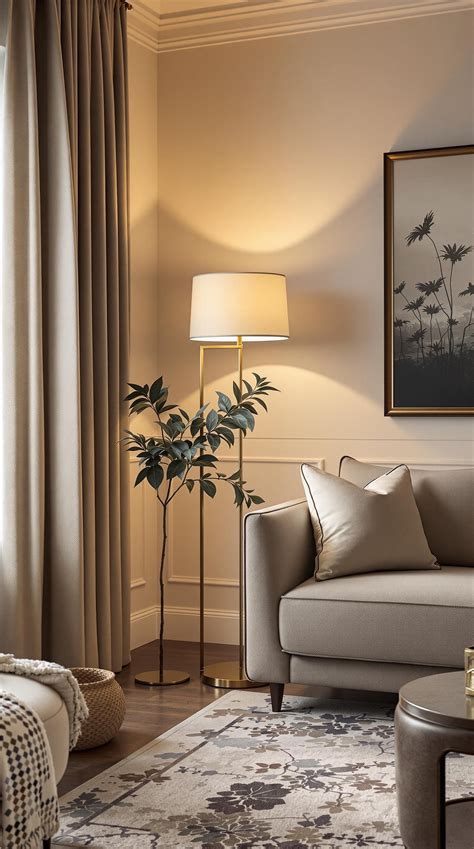
Poor lighting is one of the most common complaints in modern and traditional living rooms alike, often leaving spaces feeling cramped and unwelcoming. Relying solely on a central ceiling fixture creates flat, unappealing illumination that highlights shadows rather than architectural features. Layered lighting is the ultimate design remedy for this dilemma, combining ambient, task, and accent sources to give the room depth and warmth.
To combat dim corners and create a cozy atmosphere without hardwiring new fixtures, integrate floor lamps, adjustable table lamps, and picture lights. Renters can easily utilize plug-in wall sconces that mount with minimal hardware, eliminating the need for professional electricians. Furthermore, swapping out heavy, opaque window treatments for sheer linen curtains allows maximum natural light to flood the room during the day, instantly making the space feel more open and breathable.
Enhancing Natural Light and Reflection
Maximizing sunlight in a dark living room requires careful placement of reflective surfaces. Hanging a large mirror directly opposite a window bounces natural light deeper into the room, effectively doubling the brightness of the space without requiring additional electrical sources.
Choosing the Right Bulbs for Ambiance
The color temperature of your light bulbs dramatically shifts the mood of a room. Avoid harsh daylight bulbs in living areas, opting instead for warm white LEDs between 2700K and 3000K to create an inviting, residential glow.
Layout and Spatial Flow Fixes for Awkward Rooms
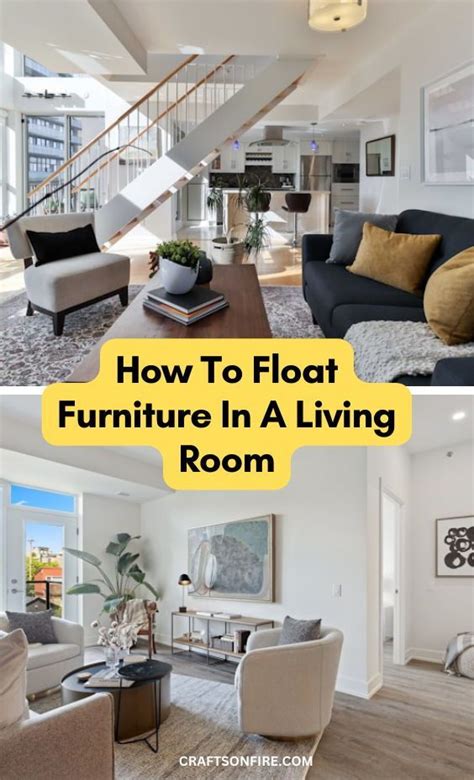
Arranging furniture in an awkward, narrow, or oversized living room frequently leads to frustration, leaving traffic pathways blocked or seating arrangements disconnected. A common mistake is pushing all the furniture directly against the walls, which actually accentuates empty center space and makes conversation difficult. Pulling your main seating pieces inward, even by just a few inches, creates a more intimate and intentional conversation area.
When dealing with unconventional architectural features like corner fireplaces, multiple entryways, or awkward nooks, focus on defining distinct zones within the room. Use area rugs to anchor specific furniture groupings, ensuring that at least the front legs of sofas and armchairs rest on the rug to tie the composition together. For renters unable to change fixed elements, versatile modular furniture and lightweight accent chairs offer the flexibility to reconfigure the layout as needs change.
Defining Pathways in Open-Concept Spaces
Open-concept living rooms often lack clear boundaries, making furniture placement feel chaotic. Use the back of a sofa or a long low console table behind seating to create a subtle psychological divider between living and dining zones.
Balancing Scale and Proportion
Mixing furniture scales prevents a room from looking monotonous or cluttered. Pair a substantial, heavy sofa with lighter-legged accent chairs to maintain visual breathing room and keep traffic moving smoothly around the perimeter.
Storage and Clutter Management Strategies
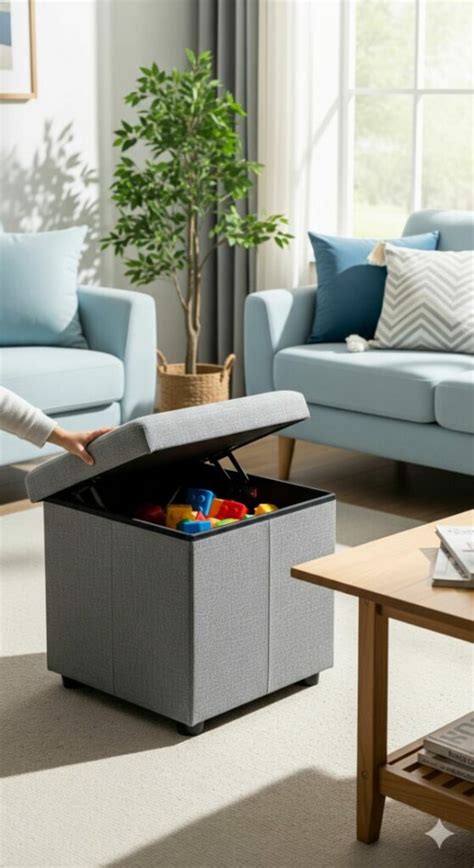
Visible clutter is the fastest way to make even a well-designed living room feel chaotic and stressful. Daily life generates an abundance of items—from remotes and charging cords to throws and children’s toys—that easily overwhelm flat surfaces. Implementing smart storage solutions that double as decor elements allows you to keep necessities close at hand while maintaining a clean, curated aesthetic.
Investing in multi-functional furniture, such as storage ottomans, coffee tables with hidden drawers, or media consoles with cabinet doors, provides a seamless way to tuck away everyday items. For those facing limited floor space, vertical storage is an underutilized asset. Installing floating shelves or tall bookcases draws the eye upward, creating valuable display and storage capacity without consuming precious square footage on the floor.
Concealing Tech and Cord Clutter
Tangled cords around the TV stand and entertainment center instantly cheapen the look of a living room. Use cable management sleeves, cord-hiding baseboards, or decorative woven baskets placed directly beneath electronics to corral unsightly wires.
Curating Open Shelving Without Overcrowding
When styling bookshelves or wall ledges, leave roughly one-third of the space empty to prevent a cluttered appearance. Combine stacked books with a few meaningful decorative objects to strike a balance between personal storage and refined design.
Styling Upgrades for Outdated Furniture and Decor
Outdated furniture and tired decor can make a living room feel stuck in the past, even if the structural bones of the room are sound. Rather than replacing costly items like sofas or sideboards, focus on high-impact, budget-friendly styling upgrades that refresh the entire visual landscape. Simple changes, such as updating cabinet hardware, replacing worn throw pillow covers, or introducing fresh greenery, breathe new life into older pieces.
Textiles play a massive role in how a room feels to the touch and the eye. Layering different textures—such as a chunky knit throw over a leather sofa or velvet pillows against a linen chair—adds immediate sophistication and warmth. Furthermore, updating your artwork strategy by hanging oversized statement pieces rather than a cluster of tiny frames creates a modern, cohesive focal point that commands attention and elevates the entire room’s design pedigree.
Swapping Hardware for an Instant Modern Update
Replacing standard drawer pulls, cabinet knobs, and media console handles with matte black, brushed brass, or sleek leather pulls is a quick, renter-friendly way to modernize older furniture pieces.
Refreshing Soft Furnishings Seasonally
Instead of buying entirely new furniture when your space feels stagnant, swap out lightweight cotton pillow covers and rugs in the spring for heavier wools and velvets in the autumn to keep the room feeling dynamic.
Frequently Asked Questions
How can I make a small living room look bigger without remodeling?
You can make a small living room feel significantly larger by utilizing low-profile furniture, hanging curtains high near the ceiling to draw the eye upward, and placing large mirrors strategically to reflect light and expand visual depth.
What are the best quick fixes for poor living room lighting?
Introduce layered lighting by adding floor lamps, table lamps, and plug-in wall sconces instead of relying on a single overhead fixture. Also, ensure your bulbs emit a warm white glow rather than harsh daylight temperatures.
How do I arrange furniture in an awkward living room layout?
Start by floating your main seating group away from the walls to create an inviting conversation area. Use area rugs to anchor the furniture and establish clear walking pathways around the perimeter of the room.
What are budget-friendly ways to modernize a dated living room?
Focus on high-impact cosmetic updates such as swapping out cabinet hardware, layering new textiles like pillows and throws, updating window treatments, and introducing modern artwork or fresh indoor plants.


