Revitalizing your living room does not always require a costly structural renovation or a complete overhaul of your furniture layout. Often, the most profound transformations come from thoughtful updates to color palettes, textile layering, lighting design, and purposeful accessorizing. Across American homes, from historic brownstones to suburban split-levels and modern urban apartments, the living room serves as the central hub for daily life, relaxation, and gathering.
Bringing fresh energy into this space starts with identifying an aesthetic direction that aligns with your architectural surroundings and your lifestyle requirements. To help you navigate the vast landscape of interior design, we have curated fourteen distinct, accessible living room looks that blend current aesthetic trends with timeless appeal. Each concept explores specific material choices, color harmonies, and practical styling strategies that you can adapt to your own home.
1. The Warm Minimalist Sanctuary
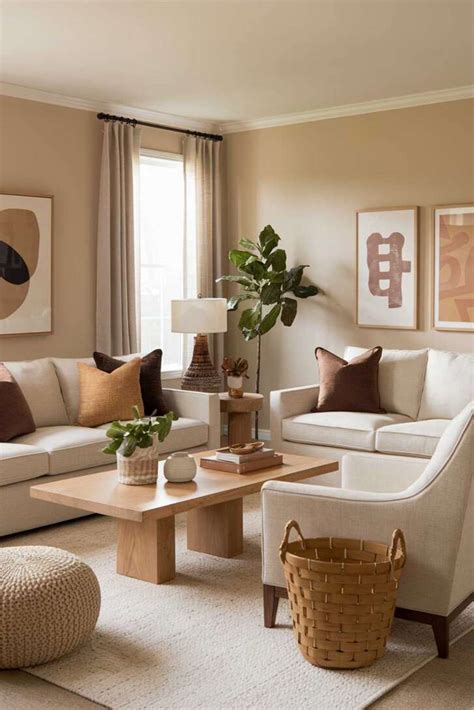
Warm minimalism strips away excess clutter while avoiding the sterile, cold feeling often associated with traditional ultra-modern spaces. This look relies on a restrained color palette featuring creamy off-whites, warm taupes, and soft beige tones that create an immediate sense of calm upon entering the room.
To achieve this look without buying an entirely new suite of furniture, focus on editing your existing decor and introducing tactile elements. Pair clean-lined wooden furniture with deeply textured fabrics like raw linen drapery, heavy cotton canvas, and matte ceramic accessories. The goal is to let individual pieces breathe, ensuring every object in the room serves either a functional purpose or a profound visual role.
2. The New Traditionalist Living Room

Bridging classic American heritage design with contemporary styling, the New Traditionalist look honors architectural details like crown molding and wainscoting while keeping the overall atmosphere light, airy, and approachable.
Incorporate rich wood tones through vintage coffee tables or inherited sideboards, then balance their visual weight with tailored upholstered seating in solid performance fabrics. Introduce subtle patterned accents, such as striped throw pillows or a classic Persian-style rug with faded motifs, to ground the space in a sense of history without feeling dated or heavy.
3. The Organic Modern Retreat
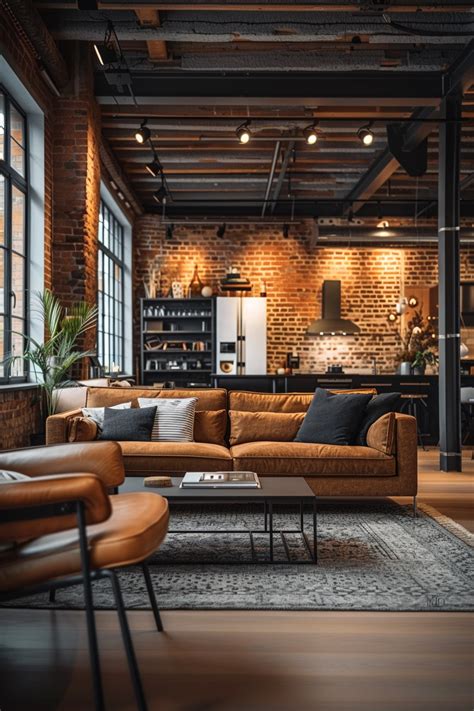
Organic modern design celebrates the beauty of natural materials and curved silhouettes, making it an ideal choice for creating a soothing, grounded living environment. This aesthetic emphasizes raw timber, travertine stone, woven rattan, and unglazed terracotta.
Incorporate seating with gentle, rounded curves rather than rigid, sharp angles to improve the flow of movement throughout the room. A low-profile wooden sofa paired with an asymmetrical stone coffee table establishes an effortless, sculptural focal point that feels both modern and deeply connected to nature.
4. The Earthy Transitional Space
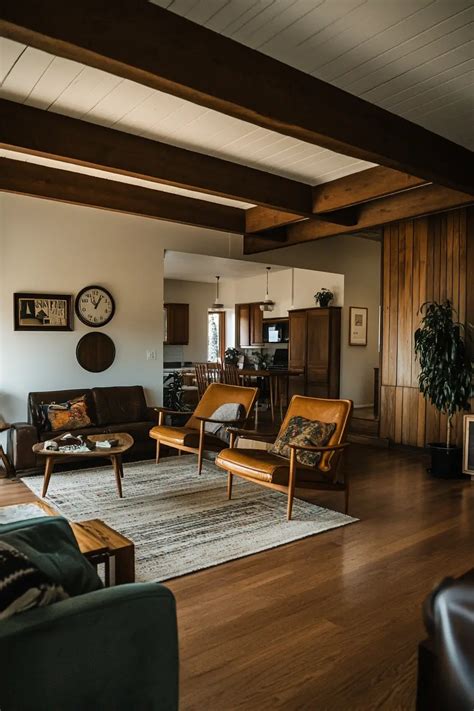
Transitional design remains a favorite across U.S. households because it successfully marries traditional comfort with contemporary clean lines. An earthy transitional look elevates this balance by incorporating nature-inspired hues such as olive green, warm clay, and muted rust.
Layering is essential here; combine tailored upholstered sofas with chunky knit throws and leather accent chairs to create depth and visual contrast. This approach allows you to mix disparate furniture eras harmoniously, resulting in a cohesive room that looks curated over time rather than purchased from a single showroom floor.
5. The Moody Contemporary Lounge
If you want to create an intimate, dramatic atmosphere, a moody color palette can completely transform a living room’s personality. Deep charcoal, midnight blue, or rich forest green paint on the walls instantly envelops the room in cozy sophistication.
To prevent a dark room from feeling small or cave-like, layer your lighting thoughtfully across multiple levels. Combine ambient overhead fixtures with warm floor lamps, sculptural table lamps, and flickering candlelight reflected off metallic accents like aged brass or brushed bronze.
6. The Coastal Casual Haven
You do not need to live near the ocean to enjoy the breezy, relaxed ambiance of coastal design. This look focuses on maximizing natural light, maintaining an airy floor plan, and celebrating simple, breathable materials.
Opt for loose-slipcovered sofas in crisp white or soft sand tones, which offer both easy maintenance and casual elegance. Complement these with bleached oak flooring, jute area rugs, and subtle blue accents inspired by sea glass and coastal skies for a refreshing, serene environment.
7. The Urban Industrial Loft
Characterized by exposed structural elements, raw metals, and reclaimed wood, the industrial look brings an edgy, authentic character to open-concept apartments and converted urban spaces.
Soften the inherent hardness of brick walls and steel beam structures by introducing comfortable, plush seating and oversized woven area rugs. Leather armchairs, vintage iron floor lamps, and reclaimed timber media consoles complete the aesthetic while maintaining everyday comfort and usability.
8. The Elevated Bohemian Escape
Bohemian design is all about self-expression, global influences, and rich textural layering. An elevated take on this style refines the look by maintaining a more cohesive color story while keeping the eclectic spirit alive.
Combine low-slung seating with Moroccan leather poufs, kilim-patterned throw pillows, and an abundance of indoor plants of varying heights. Macramé wall hangings and vintage brass accents add handcrafted charm, ensuring the space feels deeply personal and inviting.
9. The Scandinavian Functionalist Space
Rooted in Nordic principles of simplicity, utility, and craftsmanship, Scandinavian design maximizes both aesthetic appeal and everyday functionality, making it exceptionally well-suited for compact American apartments.
Choose light birch or pine wood furniture, pale gray or white walls, and sleek multi-functional storage solutions that keep clutter out of sight. Introduce warmth through chunky wool throws, sheepskin accents, and minimal yet striking abstract art pieces.
10. The Mid-Century Modern Revival
Mid-century modern design continues to captivate homeowners with its iconic silhouettes, tapered furniture legs, and celebration of retro-futuristic geometries. This look feels remarkably fresh when paired with contemporary neutrals.
Invest in statement seating featuring exposed walnut frames and rich upholstery fabrics like emerald velvet or mustard wool. Complete the room with a sputnik chandelier or a classic arc floor lamp to anchor the mid-century aesthetic authentically.
11. The Maximalist Jewel-Box Room
For those who believe more is more, a maximalist jewel-box living room offers an opportunity to showcase rich colors, bold patterns, and prized collections without restraint.
Paint your walls in a saturated jewel tone like sapphire or ruby, and layer contrasting patterns through floral velvet upholstery, geometric drapery, and layered vintage rugs. Balance the visual intensity by incorporating polished antique mirrors to reflect light and add spatial depth.
12. The Desert Modern Oasis
Drawing inspiration from the American Southwest, desert modernism combines sun-baked earthy tones with clean architectural lines and tactile natural fibers.
Utilize a color palette of terracotta, sand, adobe pink, and sage green alongside leather seating and raw-edge wooden accent pieces. Add graphic woven blankets and drought-tolerant potted plants like cacti or snake plants to complete the warm, arid atmosphere.
13. The Farmhouse Modern Classic
Modern farmhouse style retains the cozy, family-friendly appeal of rural living while shedding rustic cliches in favor of clean lines and sophisticated finishes.
Incorporate shiplap or board-and-batten accent walls painted in crisp gallery white, paired with comfortable slipcovered sofas and black iron hardware. A reclaimed wood coffee table acts as a durable, family-friendly centerpiece that withstands daily wear and tear.
14. The Jewel-Toned Transitional Space
If neutral palettes feel too restrained but full maximalism is too bold, a jewel-toned transitional look provides the perfect middle ground by blending classic furniture silhouettes with rich color accents.
Keep your large foundation pieces—such as sofas and walls—in soft, neutral tones, then inject vibrant color through velvet accent chairs, jewel-toned abstract art, and rich velvet drapery. This approach allows you to experiment with bold hues while maintaining the flexibility to update your accents as trends evolve.
Frequently Asked Questions
How can I revitalize my living room without buying new furniture?
You can dramatically refresh your living space by rearranging your existing furniture layout to improve traffic flow and conversation areas. Additionally, swapping out throw pillows, updating window treatments, layering a new area rug, and introducing fresh houseplants can completely change the room’s atmosphere without major purchases.
What are the key elements of modern living room design in U.S. homes?
Modern American living rooms frequently prioritize multi-functional spaces, ample natural light, a blend of clean lines with organic textures, and smart storage solutions. Homeowners are increasingly favoring comfortable performance fabrics and sustainable materials that balance everyday durability with sophisticated style.
How do I choose the right color palette for a small living room?
For smaller living rooms or apartments, light and reflective neutral palettes in shades of warm white, soft greige, or pale beige help maximize the illusion of space by bouncing natural light around the room. You can then introduce personality and contrast through smaller decor accessories, artwork, and textured throws.


