Designing an apartment living room requires balancing square footage limitations with personal style. Whether you are bound by a strict lease agreement in a downtown high-rise or you own a cozy suburban condo, making the most of your footprint relies on intentional choices. Standard US apartment layouts often present unique design hurdles, such as awkward traffic flows, lack of architectural detail, and limited overhead lighting. Overcoming these challenges does not require an extensive renovation; instead, it calls for smart spatial planning and creative styling techniques that elevate everyday comfort.
When approaching your living room design, establishing clear priorities helps determine where to invest your time and budget. Renters benefit from focusing on non-permanent upgrades like peel-and-stick applications, freestanding storage, and layered textiles, while homeowners can explore more permanent carpentry and electrical updates. By combining versatile furniture with thoughtful accessories, you can transform a generic box of space into a personalized sanctuary that functions seamlessly for relaxing, working, and entertaining.
Space-Saving Layouts and Multi-Functional Furniture
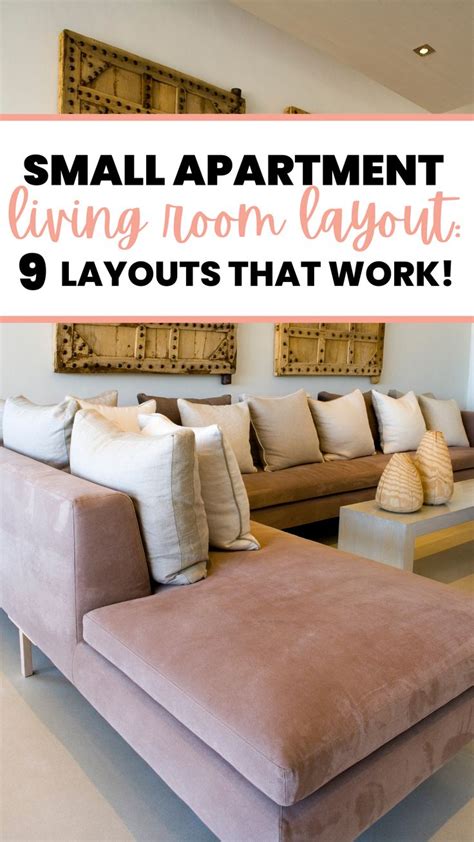
Maximizing a compact living area starts with choosing furniture that serves multiple purposes without overwhelming the room. In smaller US apartments, a bulky sectional sofa can easily dominate the entire floor plan, leaving little room for circulation or secondary seating. Opting for a streamlined sofa with exposed legs creates a visual sense of openness, allowing light to flow underneath the piece and making the overall room feel larger than its actual square footage.
Pairing your seating with modular nesting tables or an ottoman with hidden interior storage provides an immediate practical upgrade. These pieces give you the flexibility to rearrange your layout when hosting guests or to tuck everyday clutter away instantly. When arranging your living room, float your furniture slightly away from the walls rather than pushing every piece against the perimeter. This minor adjustment creates an intentional conversation zone and prevents the space from looking rigid or uninspired.
Rental-Friendly Walls and Temporary Architectural Details
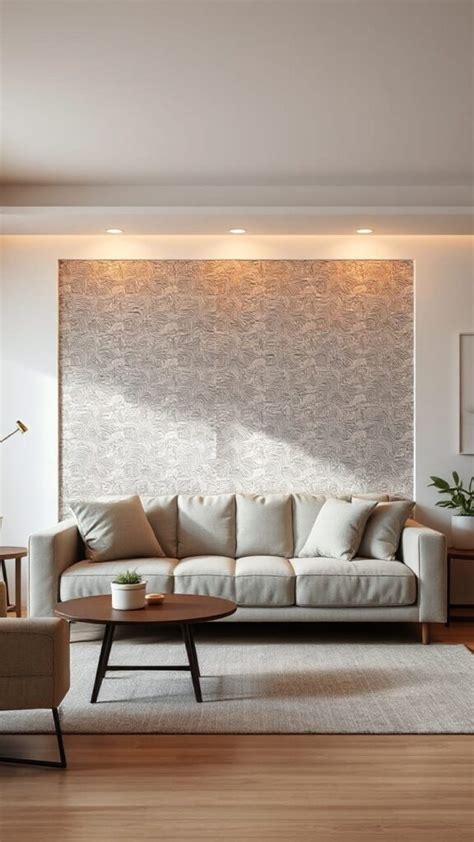
One of the most common dilemmas for apartment renters is dealing with blank, neutral walls that feel sterile, combined with lease restrictions against painting or hanging heavy fixtures. Fortunately, modern temporary decor offers sophisticated ways to bypass these rules without risking your security deposit. Peel-and-stick wallpaper applied to a single accent wall introduces texture, color, and visual depth, instantly mimicking the feel of a custom-designed architectural space.
For hanging artwork and mirrors, heavy-duty adhesive strips or picture-hanging systems provide reliable support without the need for large anchors and spackle. If you want to introduce architectural interest without altering the drywall, lean a large oversized floor mirror against the wall. This trick not only avoids wall damage but also reflects natural light deeper into the room, creating an expansive illusion that brightens dark corners throughout the day.
Lighting Strategies to Brighten and Warm Your Space
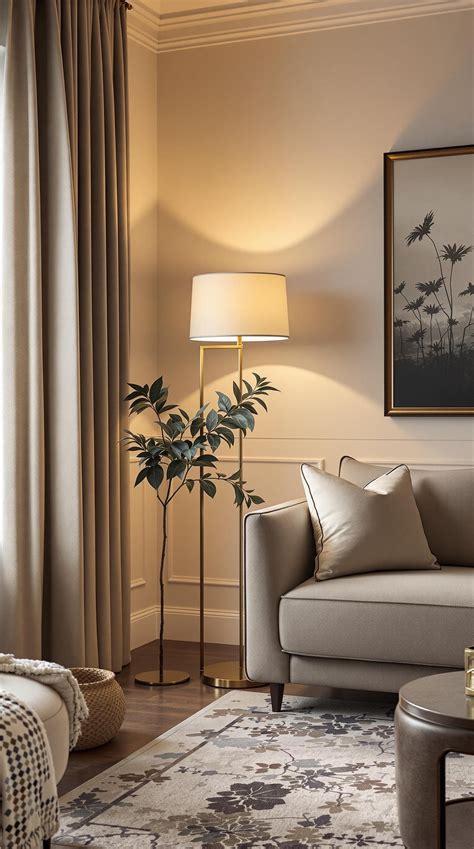
Standard rental apartments frequently suffer from poor overhead lighting, often relying on a single harsh flush-mount fixture or missing overhead lights entirely in the living area. Relying solely on natural light is rarely sufficient, particularly during shorter winter days. To cultivate a warm and inviting atmosphere, adopt a layered lighting strategy that incorporates multiple illumination sources at different heights across the room.
Combine arched floor lamps, sculptural table lamps on sideboards, and wall-mounted plug-in sconces to create pools of soft light rather than one glaring overhead glare. Warm white LED bulbs rated around 2700K help replicate the cozy glow of traditional incandescent lighting. For homeowners, integrating dimmers offers ultimate control over the room’s mood, while renters can achieve a similar effect by choosing smart bulbs controllable via smartphone or voice assistant.
Textiles, Rugs, and Color Layering for Coziness
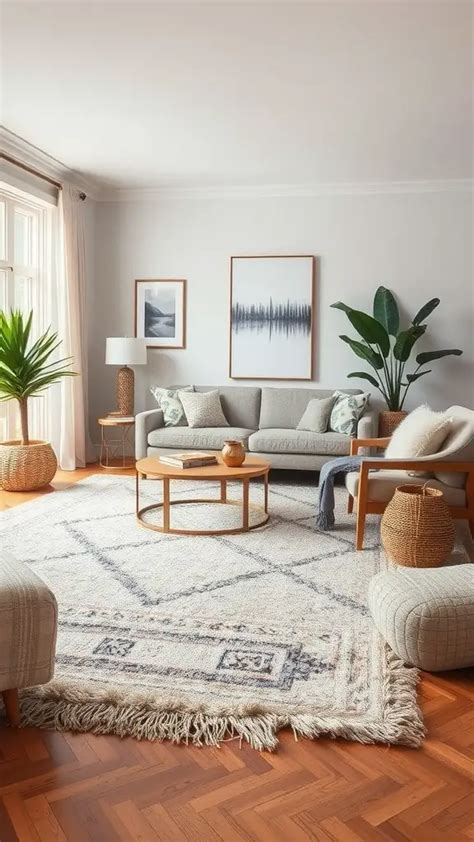
Injecting personality into an apartment living room often comes down to the tactile elements you introduce through fabrics and rugs. In many rental units, builder-grade beige carpeting or cold luxury vinyl flooring serves as the foundation. Laying down a large, high-pile area rug anchors the seating arrangement and introduces warmth underfoot while masking uninspired rental flooring choices.
Layering textiles through throw pillows, knitted blankets, and heavy drapery softens the hard lines of walls and modern furniture. When selecting a color palette, lean toward a cohesive mix of neutral base tones complemented by two or three accent colors drawn from nature, such as olive green, terracotta, or muted blue. This restrained color approach prevents a compact apartment from feeling visually chaotic, ensuring a calm and harmonious environment for daily living.
Frequently Asked Questions
How can I decorate an apartment living room without losing my security deposit?
You can protect your security deposit by using temporary, non-permanent decorating solutions. Opt for peel-and-stick wallpaper or wall decals instead of paint, use heavy-duty adhesive strips for lightweight frames, and lean large mirrors or art pieces against walls instead of drilling holes. Freestanding shelves and plug-in wall sconces also provide customized style without requiring electrical or structural modifications.
What are the best layout ideas for small apartment living rooms?
For small apartments, floating your furniture slightly away from the walls rather than pushing everything to the perimeter creates a more balanced, intentional flow. Choose streamlined furniture with exposed legs to maintain a sense of visual openness, and use multi-functional items like nesting tables or storage ottomans to minimize clutter and maximize floor space.
How do I make a rental living room feel like a custom home?
To give a rental living room a bespoke feel, focus on layering textures and upgrading the details you can control. Invest in a plush, well-sized area rug, hang curtains high and wide using existing window trim or tension rods, and introduce varied lighting through floor and table lamps rather than relying on harsh overhead fixtures.
What furniture pieces work best in multi-use apartment spaces?
Multi-use apartment spaces benefit greatly from modular sectionals, drop-leaf or extendable coffee tables, and storage benches. Pieces that can transition between seating, workspace support, and hidden storage allow you to adapt your living room layout seamlessly throughout the day without cluttering a compact footprint.


