Interior design in modern American homes is shifting toward spaces that prioritize genuine comfort, tactile warmth, and thoughtful adaptability. Rather than chasing fleeting fads or sterile minimalism, upcoming directions focus on creating deeply personal sanctuaries that welcome daily life. Whether you live in a suburban split-level or a high-rise urban apartment, updating your main gathering space can be approached through intentional adjustments rather than costly, full-scale renovations.
Understanding these shifts allows homeowners and renters to selectively adopt elements that suit their spatial constraints and personal aesthetics. By focusing on a curated selection of core design directions, you can revitalize your layout, improve functionality, and bring a refreshing update to your interior without starting from scratch. Here are four standout design ideas driving modern American living rooms forward.
1. Grounding Palettes Enhanced by Rich, Tactile Textures
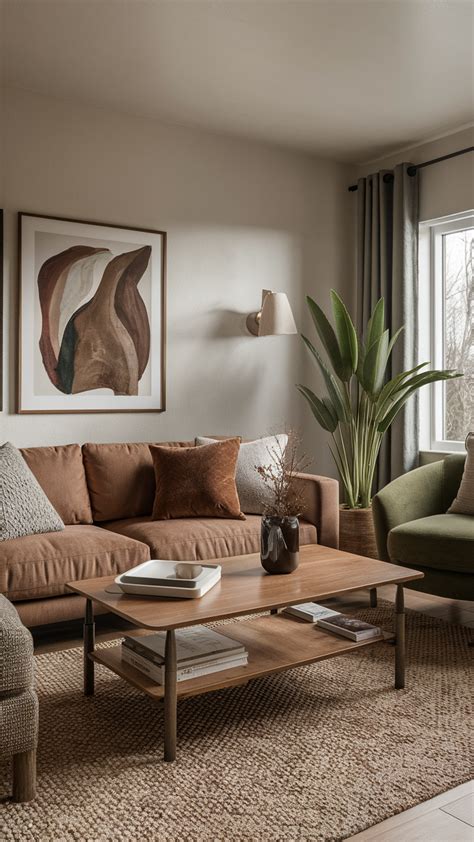
The visual foundation of the modern living room is moving away from stark, clinical neutrals toward deeply comforting, earthy colorways. Warm terracottas, muted olives, rich clays, and softer butter-yellow undertones are replacing cool grays across American interiors. These grounding hues establish an immediate sense of calm and visual warmth, making large family rooms and compact apartments alike feel cozier and more inviting throughout changing seasonal light.
Equally important as the color on the walls is the introduction of layered, tactile surfaces. Flat, synthetic textiles are giving way to high-texture materials such as heavy bouclé, raw linen, ribbed wool, and organic cotton weaves. Incorporating these textures through throw pillows, heavy drapery, or upholstered occasional chairs creates dimensional depth. When building this look, aim for a balanced contrast between smooth architectural elements and tactile soft furnishings to keep the space visually dynamic.
2. Conversational Furniture Layouts and Sculptural Statement Pieces
Traditional living room layouts that push all seating firmly against the perimeter walls are steadily being replaced by intimate, floating arrangements. Pulling sofas and armchairs slightly inward encourages natural conversation and creates a much more welcoming flow. This approach works particularly well in open-concept American floor plans, helping to visually anchor the living zone separately from adjoining dining or kitchen spaces without requiring physical room dividers.
To complement these open, conversational layouts, interior styling is leaning heavily into sculptural, organic furniture silhouettes. Instead of rigid right angles and predictable boxy armchairs, designers are favoring curved sofas, rounded coffee tables, and chairs with subtle arches. These fluid shapes soften the overall geometry of a room, improve physical traffic flow around tight corners, and serve as artistic focal points that draw the eye naturally across the interior.
3. Integrating Organic Materials and Sustainable Craftsmanship
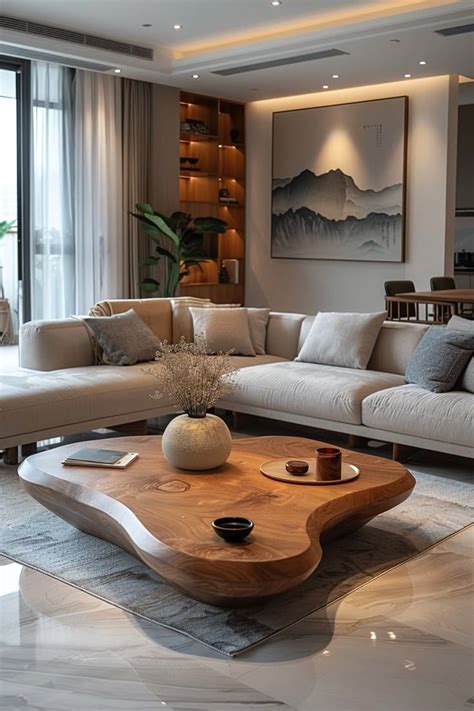
A growing appreciation for authenticity is driving the inclusion of raw, unfinished, and sustainably sourced natural materials within everyday living spaces. Solid woods with visible grain patterns, honed travertine, slate, and unlacquered brass accents are becoming preferred choices for coffee tables, shelving units, and decorative hardware. These elements introduce an honest, enduring quality that patinas gracefully over time, adding unique character to your home rather than looking showroom-new.
Incorporating nature-derived decor does not require a complete furniture overhaul. Renters and homeowners alike can easily weave this direction into their rooms through smaller accents, such as hand-thrown ceramic vessels, rattan accent trays, unpainted wooden stools, and thriving houseplants. The key is to celebrate natural imperfections rather than demanding hyper-polished perfection, resulting in a relaxed, grounded atmosphere that feels deeply connected to the outdoors.
4. Flexible Zoning for Multi-Functional Living Spaces
The contemporary American living room rarely serves just one singular purpose anymore. For many households, this central room must seamlessly transition from a quiet morning reading nook into a bright daytime remote workspace, and finally into a cozy evening entertainment zone. Addressing this reality requires smart, flexible zoning that accommodates diverse activities without making the room feel cluttered or chaotic.
Achieving this versatility involves utilizing adaptable furnishings like nesting coffee tables that can be pulled apart for guests, modular seating arrangements that reconfigure easily, and subtle lighting layers that change the mood instantly. Room-defining area rugs, portable shelving units, and strategic furniture placement help establish distinct functional zones within a single open space. This practical adaptability ensures your living room works efficiently for your actual lifestyle, no matter how many roles it needs to fulfill.
Adapting These Directions for Both Homeowners and Renters
Translating these design concepts into your own home depends largely on your specific living situation and budget constraints. Homeowners have the freedom to invest in permanent architectural updates, such as adding textured lime-wash wall finishes, installing custom built-in shelving, or upgrading to foundational upholstered investment pieces. These long-term choices establish a robust baseline of style that can be easily refreshed with seasonal accessories over the coming years.
Renters, on the other hand, can achieve a similarly high-end aesthetic by focusing on removable, non-permanent updates. Peel-and-accent walls, modular furniture that moves with you from apartment to house, plug-in wall sconces, and generous textile layering deliver maximum visual impact without violating lease agreements. By focusing on flexible, high-impact changes, anyone can successfully bring these fresh design directions into their daily living environment.
Frequently Asked Questions
What are the primary color trends for living rooms?
Current palettes lean away from cool grays toward warm, earthy tones like muted terracotta, soft olive, rich clay, and gentle butter-yellows to create cozy, grounded spaces.
How can I rearrange my living room for better conversation?
Pull your main seating away from the walls and angle chairs toward each other to create an intimate, floating conversational hub rather than a perimeter-focused layout.
Are these living room trends suitable for renters?
Yes. Renters can easily adopt these trends using non-permanent elements such as textured throw pillows, modular furniture, area rugs, and plug-in lighting.
How do I mix natural materials without making the room look cluttered?
Focus on a cohesive palette of two or three core materials, such as light oak and raw ceramics, and balance them with clean lines and plenty of breathing room in your layout.


