Creating a living room that feels both fresh and functional often requires balancing competing priorities. Whether you are settling into a suburban single-family home with an expansive open-concept floor plan or outfitting a compact urban apartment, your living room must serve multiple roles. It is a place to relax, entertain guests, work remotely, and store everyday belongings. Achieving this balance does not require a complete architectural overhaul or an unlimited budget. Instead, success comes from thoughtful furniture selection, smart layout planning, and styling choices tailored to your housing situation.
For renters and homeowners alike, the key is identifying what works for your specific square footage and lifestyle. While homeowners have the freedom to knock down walls, install built-ins, or change hardwired fixtures, renters must rely on clever, non-permanent interventions that deliver high visual impact without risking security deposits. Understanding how to navigate these distinct boundaries allows anyone to curate a welcoming, organized, and deeply personal gathering space.
Smart Furniture Selections for Every Footprint
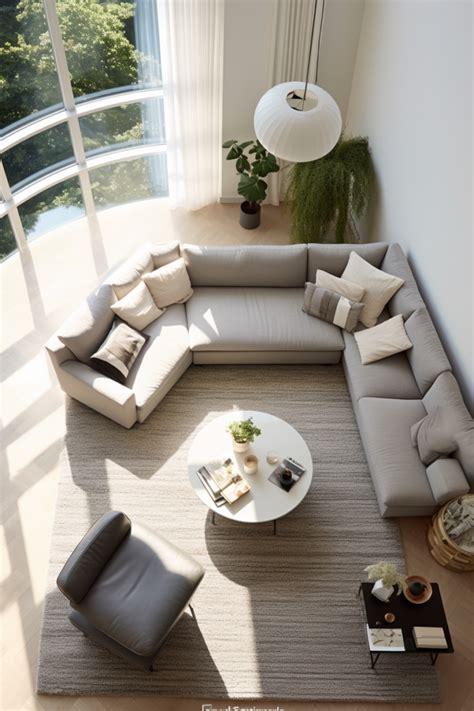
Furniture forms the foundation of any living room, dictating both traffic flow and overall comfort. In modern American homes, where open-concept layouts blur the lines between kitchens, dining areas, and living spaces, selecting the right scale of furniture is essential. Oversized sectional sofas can easily overwhelm a modest apartment, while diminutive loveseats can look lost in a spacious suburban living room with vaulted ceilings.

When square footage is at a premium, multi-functional furniture acts as a practical safeguard against clutter. Storage ottomans, nesting coffee tables, and sleeper sofas provide incredible versatility without sacrificing aesthetic appeal. Homeowners might consider investing in custom built-in window seating with concealed storage underneath, while renters can achieve a similar custom look by pairing modular media consoles with stylish fabric storage bins that tuck neatly beneath open shelving units.
Lease-Friendly Aesthetic Upgrades for Renters
Renting often comes with aesthetic constraints, such as standard beige walls, generic light fixtures, and strict rules against drilling into drywall. Fortunately, modern interior trends embrace renter-friendly solutions that allow you to personalize your environment completely. Peel-and-stick wallpaper, removable wall decals, and tension-rod curtain hangers offer remarkable transformative power without violating lease agreements or creating repair headaches when moving day arrives.
Lighting is another area where renters can easily elevate a space without altering permanent wiring. Floor lamps with dramatic arched arms, plug-in wall sconces that mount with minimal hardware, and smart bulbs integrated into table lamps allow you to banish harsh overhead lighting. Layering warm lighting sources creates an inviting atmosphere that instantly makes a rental apartment feel custom-designed and high-end.
Permanent and Semi-Permanent Layout Strategies for Homeowners
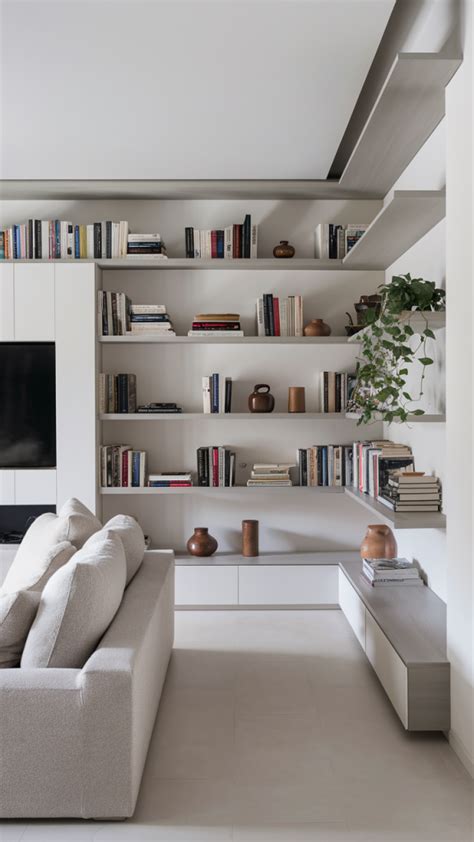
Homeowners have the luxury of implementing structural and semi-permanent updates that optimize long-term functionality. If your living room suffers from awkward traffic patterns, consider adding architectural definition through crown molding, accent walls painted in moody, grounding hues, or custom millwork around a fireplace. These permanent enhancements anchor the room and create a distinct visual identity separate from adjoining spaces.
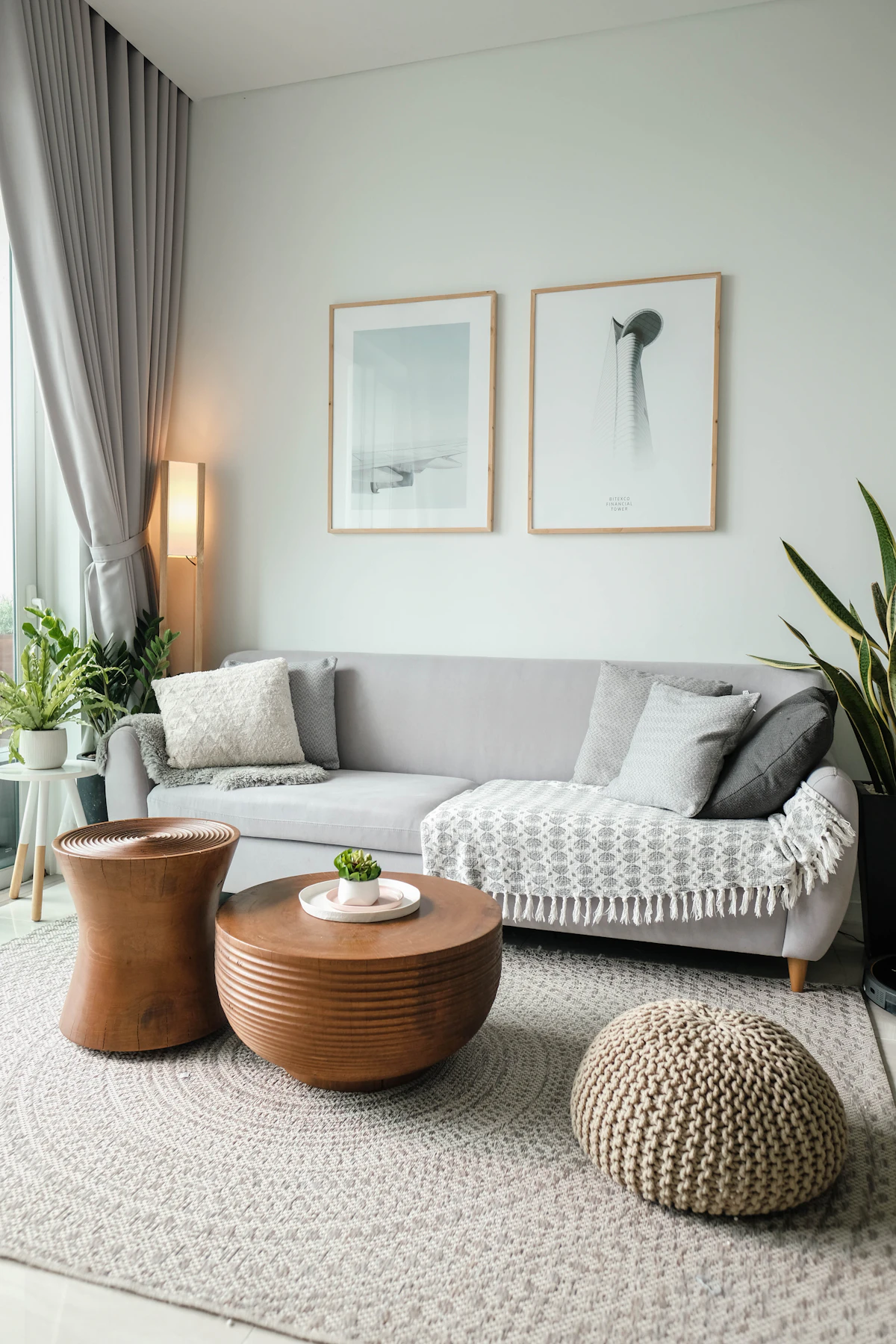
Layout planning in homeowner spaces should focus on establishing clear conversational zones and focal points. Instead of pushing all furniture against the perimeter walls—a common trap in larger rooms—pulling your sofa and armchairs inward toward a central rug fosters intimacy and better conversation flow. Incorporating built-in bookshelves flanking a media center not only maximizes vertical storage but also introduces architectural depth that makes the entire room feel thoughtfully composed.
Balancing Style and Everyday Storage Solutions
Clutter is the ultimate enemy of both freshness and functionality. In high-traffic family living rooms, toys, tech accessories, books, and blankets can accumulate rapidly. The secret to maintaining a serene environment lies in designating closed storage containers that keep everyday items out of sight while remaining easily accessible during movie nights or quiet weekends.
Closed media cabinets, woven baskets with lids, and stylish sideboards with doors provide effortless places to stash miscellaneous items. By keeping surfaces relatively clear and styling open shelves with a curated mix of books, ceramics, and personal mementos, you ensure your living room remains a calming sanctuary rather than a visual storage unit. This mindful approach to organization guarantees that your space looks intentional and feels comfortable year-round.
Frequently Asked Questions
How can I make my living room look fresh without doing a complete overhaul?
You can instantly refresh your living room by swapping out smaller textiles such as throw pillows, blankets, and area rugs. Updating your table lamps, rearranging your furniture layout to improve traffic flow, and introducing fresh greenery or potted plants will also revitalize the space without major investments.
What are some renter-friendly ways to upgrade a living room without losing my security deposit?
Renters can use removable peel-and-stick wallpaper, plug-in wall sconces that require minimal hardware, tension rods for window treatments, and freestanding furniture pieces. These updates personalize the space entirely and can be easily removed or reversed when your lease ends.
How do I balance aesthetics and functionality in a high-traffic family living room?
Focus on durable, easy-to-clean performance fabrics for seating, incorporate closed storage solutions like media consoles or lidded baskets to hide clutter, and select multi-functional furniture such as storage ottomans that serve as both seating and tables.
What are the best multi-functional furniture pieces for small living spaces?
Storage ottomans, nesting coffee tables, drop-leaf console desks, and modular shelving units are exceptional for small footprints. They provide surface area, hidden storage, or workspace flexibility without consuming excessive floor space.


