Redesigning the heart of your home starts with a clear vision that balances aesthetic appeal with everyday comfort. Whether you are working with a spacious suburban open-plan layout or a compact urban apartment, updating your space requires thoughtful choices in color, texture, and furniture arrangement. Rather than following fleeting fads, successful room transformations focus on creating flexible environments that support your lifestyle while establishing a welcoming atmosphere for family and guests alike.
As design priorities shift toward personal sanctuary and environmental consciousness, contemporary spaces are embracing a mix of organic textures, purposeful lighting, and adaptable layouts. Homeowners and renters alike can achieve a polished look by layering tactile elements, integrating smart technology seamlessly, and selecting versatile pieces that grow with their needs. The following design directions offer practical inspiration for a comprehensive room refresh.
Embracing Sustainable Materials and Organic Textures
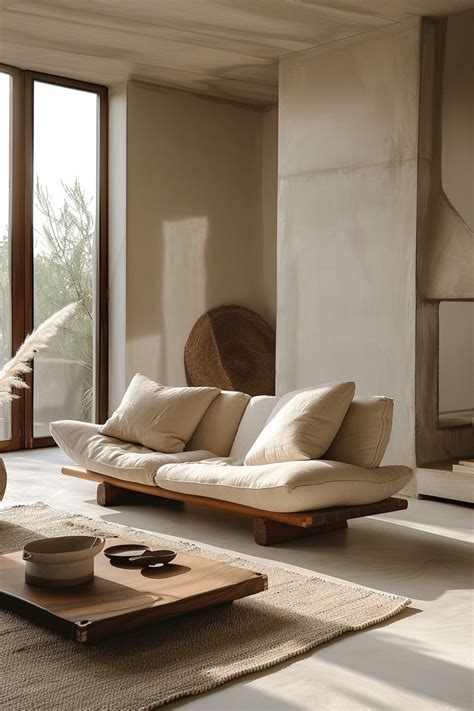
The foundation of a modern, inviting living space relies heavily on materials that bring warmth and authenticity into the room. Reclaimed wood, unpolished stone, and tactile fabrics like linen, wool, and jute introduce a sense of grounding that manufactured materials simply cannot replicate. Incorporating these elements does not require a total renovation; even small updates like adding a textured wool area rug or swapping out synthetic cushion covers for breathable linen can completely shift the sensory experience of the room.
When selecting furniture and decor, prioritize items crafted from responsibly sourced or recycled materials to reduce environmental impact while enhancing visual interest. Pairing a sleek, modern sofa with a coffee table made from salvaged timber creates a balanced contrast that feels both intentional and timeless. This approach allows you to build a sophisticated interior that respects nature without sacrificing comfort or contemporary styling standards.
Balancing Function and Style in Small and Large Layouts
Layout planning is arguably the most critical step in any room makeover, determining how effortlessly you can move and relax within the space. In larger open-concept areas, defining distinct zones—such as a conversation nook alongside a primary media seating arrangement—prevents the room from feeling cavernous or unorganized. Using area rugs, lighting pendants, and floating furniture placements helps anchor these individual zones effectively.
For compact urban spaces and rental apartments, multi-functional furniture is essential for maximizing square footage without creating visual clutter. Consider nesting coffee tables, storage ottomans, or modular shelving units that adapt to your changing storage needs. Keeping pathways clear and selecting low-profile seating silhouettes helps maintain an open, airy feeling even when physical dimensions are limited.
Curating a Harmonious Color Palette and Layered Lighting
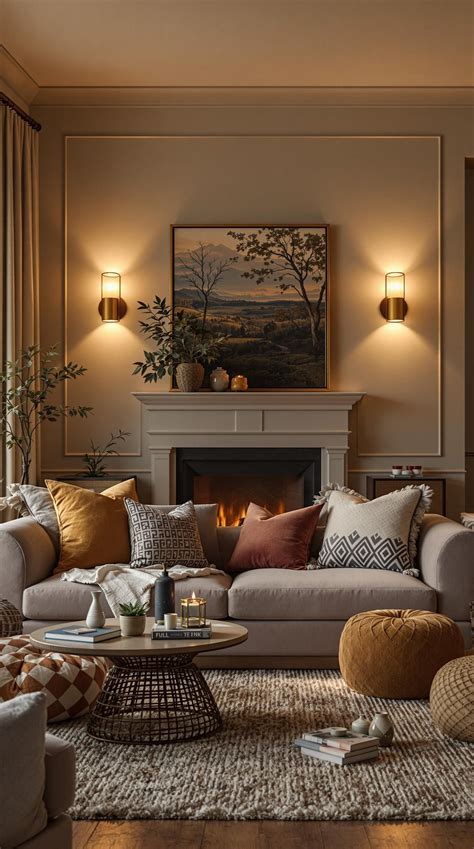
Color sets the emotional tone of your living room, moving away from stark monochrome schemes toward earth-inspired hues and muted jewel tones. Soft terracottas, sage greens, warm taupes, and rich ochres create an enveloping backdrop that feels deeply calming. These shades pair wonderfully with matte black or brushed brass hardware accents, adding a subtle touch of refinement to the overall composition.
Lighting should never be treated as an afterthought; a successful scheme relies on layering ambient, task, and accent lighting. Combine overhead fixtures with floor lamps, wall sconces, and warm-toned table lamps to create pools of light that highlight architectural features and artwork. Utilizing dimmer switches allows you to effortlessly transition the room from a bright, energetic space during the day to a cozy, intimate retreat at night.
Frequently Asked Questions
How can I update my living room if I am renting?
Renters can achieve a dramatic transformation without making permanent changes by focusing on non-invasive updates. Utilize peel-and-stick wallpaper for an accent wall, hang art using damage-free adhesive strips, and layer large area rugs to cover outdated flooring. Incorporating freestanding shelving, statement lighting fixtures that plug into standard outlets, and modular furniture allows you to take your design with you when you move.
What is the best way to mix different furniture styles?
Successfully blending styles, such as mid-century modern with rustic or industrial pieces, relies on finding a common thread. Anchor the room with a neutral backdrop and maintain a consistent color palette or wood tone throughout the major anchor pieces. When contrasting silhouettes are introduced with intentional repetition rather than random placement, the resulting space feels curated and cohesive rather than chaotic.
How do I make a small living room look bigger?
To maximize the perceived size of a compact living room, choose furniture with exposed legs that allow light to pass underneath, creating an illusion of space. Hang curtain rods closer to the ceiling to draw the eye upward and lengthen the walls visually. Additionally, strategically placing large mirrors opposite windows will reflect natural light and open up darker corners of the room.


