Revamping a living room often feels like an overwhelming challenge, especially when trying to balance current interior design trends with the practical realities of American housing. Whether you are living in a compact coastal apartment with narrow walls or a sprawling suburban home with an open-concept layout, achieving a modern aesthetic requires a thoughtful approach. The key is to focus on intentional design choices that maximize your available square footage, enhance natural light, and establish a comfortable atmosphere for family gatherings and quiet evenings alike.
Successful interior styling is rarely about starting completely from scratch or investing in expensive, permanent architectural overhauls. Instead, it relies on strategic updates such as refining your color palette, choosing versatile furniture pieces, and layering textures thoughtfully. By understanding how to work within the specific constraints of your home, you can create a sophisticated, highly functional living space that reflects your personal taste while standing the test of time.
Establishing a Modern Color Palette and Visual Foundation
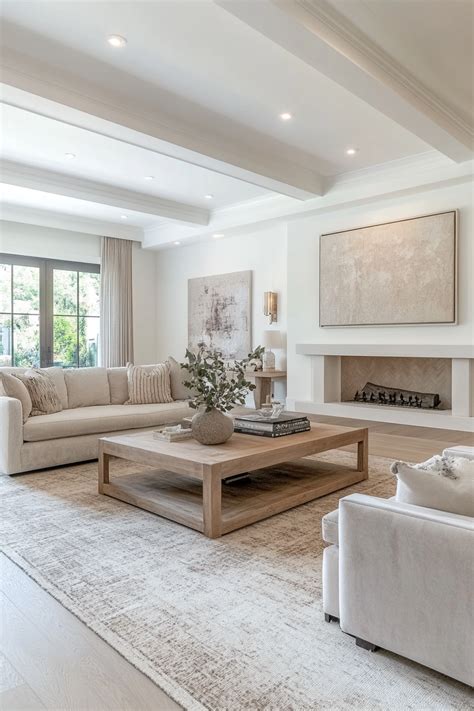
The foundation of any modern living room begins with the color palette. In contemporary American homes, the trend has shifted away from stark, cold minimalism toward warmer, earth-inspired neutral tones. Soft taupes, warm grays, creamy ivories, and muted terracotta shades create an inviting backdrop that makes a room feel both expansive and grounded. These adaptable hues work exceptionally well in both sunlit suburban living rooms and urban apartments that might rely more heavily on artificial lighting.
When implementing your color scheme, consider applying the classic design rule of utilizing sixty percent dominant neutral shades, thirty percent secondary tones for upholstery or large furniture, and ten percent accent colors through accessories. This approach prevents visual clutter and allows you to introduce seasonal changes easily without repainting walls or buying entirely new furniture sets. Renters can especially benefit from this strategy by using neutral textiles, removable wallpaper accents, and colorful throw pillows to achieve a customized look without violating lease agreements.
Balancing Open-Concept Layouts in Suburban Homes
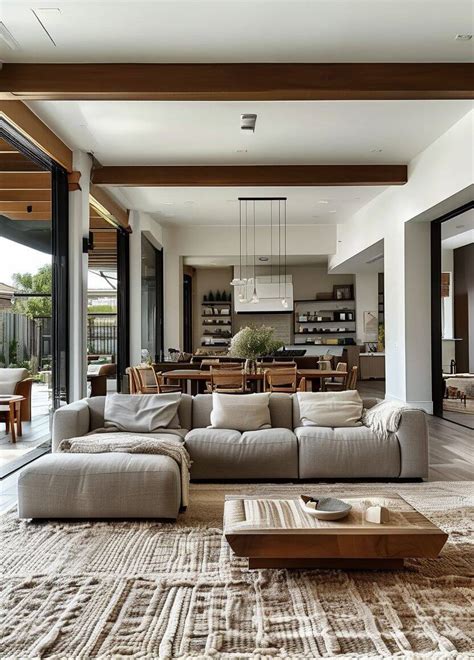
Suburban American homes frequently feature expansive open-concept layouts where the living room flows directly into the kitchen and dining area. While these expansive layouts offer wonderful airflow and natural light, they can sometimes feel cavernous or unanchored. To create a cohesive modern look, use large area rugs to visually define the living room zone from adjacent spaces. Floating your furniture away from the perimeter walls toward the center of the rug instantly fosters a more intimate, conversational seating arrangement.
Optimizing Compact Floor Plans in Urban Apartments
Conversely, apartment dwellers often grapple with limited square footage and awkward traffic pathways. Modern decor in smaller footprints relies on multi-functional furniture and vertical storage solutions. Opt for a sleek sofa with exposed legs to create a sense of openness beneath the seating, allowing light to travel across the floor. Wall-mounted shelving and minimalist media consoles also free up valuable floor space, keeping the room visually light and uncluttered.
Layering Lighting and Textures for Depth and Warmth
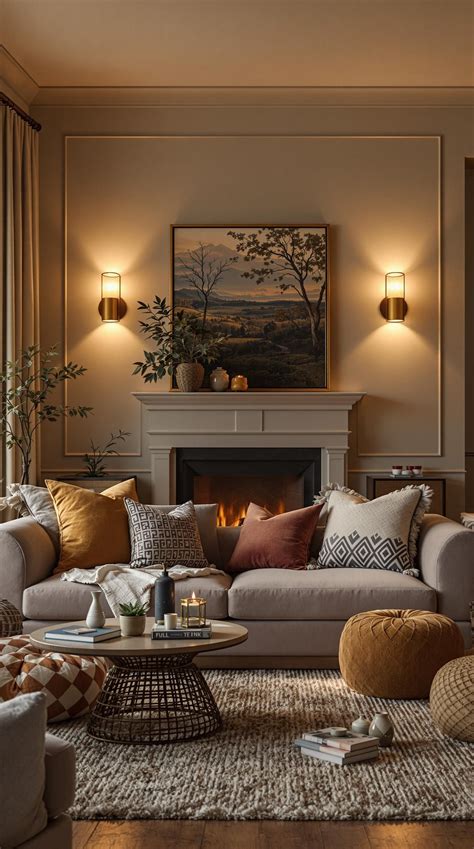
A common pitfall in modern living room design is relying solely on a single overhead light fixture, which can make a space feel flat and sterile. Successful modern interiors incorporate layered lighting schemes that combine ambient, task, and accent illumination. Incorporating floor lamps with warm bulbs, dimmable wall sconces, and table lamps creates pools of soft light that accentuate different functional zones within the room, elevating the overall coziness.
Alongside lighting, texture plays a crucial role in preventing a modern space from feeling cold or uninviting. By mixing various tactile elements—such as a chunky knit throw blanket, smooth leather accent chairs, a woven jute rug, and sleek ceramic vases—you introduce rich visual depth. This interplay of hard and soft surfaces is particularly effective in neutral color schemes, ensuring that the room remains dynamic and visually engaging even without loud patterns or vibrant primary colors.
Selecting Functional Statement Pieces and Meaningful Accessories
Every living room benefits from a distinct focal point, but modern design dictates that this feature should serve a practical purpose rather than just taking up space. In larger homes, a sculptural coffee table or a high-performance media center can anchor the seating arrangement. In smaller apartments, a statement piece might be a striking piece of oversized vertical artwork or a uniquely curved armchair that draws the eye upward and adds architectural interest to plain drywall.
When accessorizing, aim for curation rather than accumulation. Displaying a carefully edited collection of books, ceramics, and living greenery adds life and personality to your shelves and tabletops. Houseplants, in particular, serve as a living bridge between indoor living spaces and the outdoors, introducing organic shapes and fresh color. By keeping surfaces relatively uncluttered and investing in pieces that genuinely bring you joy and utility, your living room will maintain a clean, modern, and deeply personal atmosphere.
Frequently Asked Questions
How can I make a small apartment living room look modern and feel larger?
To make a small apartment feel larger and more modern, choose furniture with exposed legs to create an illusion of space, utilize vertical wall storage, stick to a warm neutral color palette, and incorporate mirrors to reflect natural light throughout the room.
What are the key elements of modern living room decor in the U.S.?
Key elements include warm neutral color schemes, layered lighting, multi-functional furniture, natural textures like wood and stone, and a balanced mix of statement pieces that prioritize both comfort and clean-lined aesthetics.
How do I balance aesthetics and functionality in a shared family space?
Focus on durable, easy-to-clean performance fabrics for upholstery, incorporate hidden storage solutions like ottomans with removable lids, and designate specific zones for relaxation, media consumption, and children’s activities using area rugs.
What are budget-friendly ways to revamp a living room without major renovations?
You can refresh your space affordably by rearranging existing furniture, swapping out throw pillows and blankets for new textures, hanging new curtains closer to the ceiling line, adding fresh house plants, and updating table lamps or lighting bulbs.


