Revamping a living room often feels like an overwhelming challenge, particularly when you are trying to balance aesthetic aspirations with the practical limitations of your living situation. Whether you occupy a compact urban apartment governed by strict lease agreements or own a suburban home with room for long-term structural changes, refreshing your main gathering space requires a thoughtful approach. The most successful room makeovers do not rely solely on expensive furniture purchases or invasive remodeling projects; instead, they focus on smart spatial planning, versatile decor choices, and creative styling hacks that elevate everyday comfort.
Navigating the distinct needs of renters versus homeowners means evaluating every upgrade through a practical lens. Renters must prioritize non-permanent modifications that protect security deposits, such as adhesive hanging strips, plug-in wall sconces, and modular furnishings that can easily travel to a new address. Homeowners, on the other hand, can invest in custom built-ins, hardwired lighting fixtures, and permanent architectural details that add lasting equity to the property. Regardless of your property status, implementing clever design strategies will transform your living room into a functional, inviting sanctuary tailored to your lifestyle.
Reimagining Layouts for Flow and Function
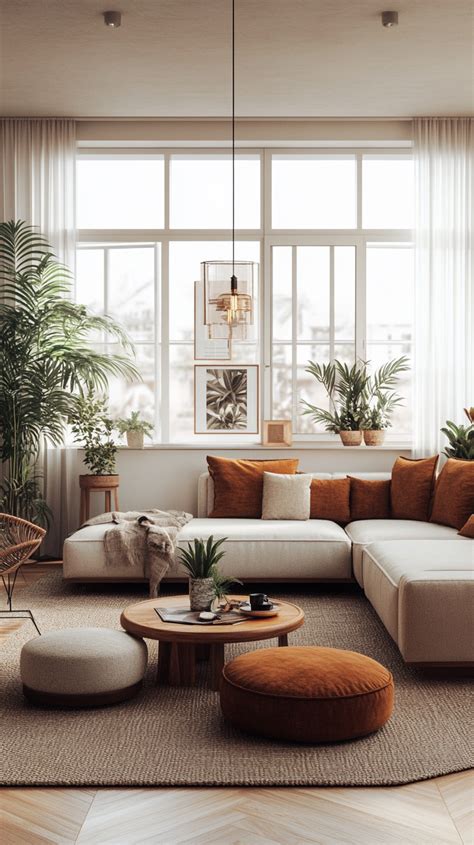
The foundation of any successful living room revamp begins with the floor plan. In many standard American apartments and homes, the living area must serve multiple purposes, acting as a home office, a media center, and a hosting space all at once. Analyzing the natural traffic patterns of the room helps prevent awkward bottlenecks and overcrowding. Pulling furniture slightly away from the walls rather than pushing every piece against the perimeter creates an unexpected sense of breathing room, making even modest spaces feel intentional and well-balanced.
When dealing with unusual room geometries—such as long, narrow layouts or open-concept spaces lacking clear boundaries—rug placement and floating furniture arrangements become essential tools. Positioning a large area rug beneath the front legs of your sofa and armchairs anchors the seating group, establishing a distinct conversational zone. For renters and homeowners alike, experimenting with different configurations costs nothing but time, yet it yields a dramatic shift in how expansive and comfortable the room feels.
Renter-Friendly Wall Treatments and Decor Hacks
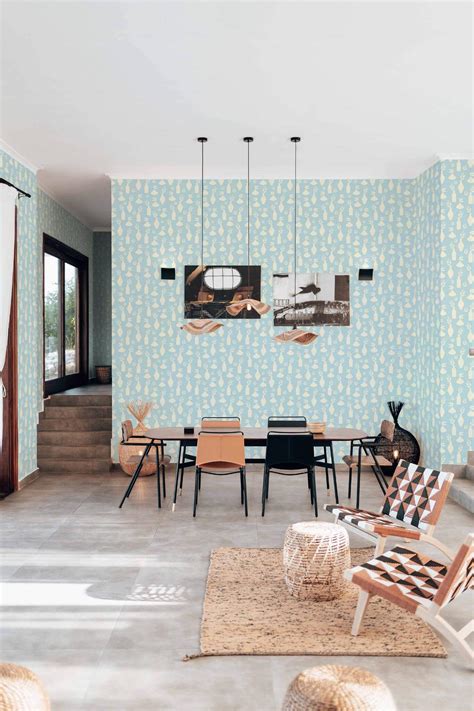
Transforming blank, neutral apartment walls without violating lease agreements is a common hurdle for renters across the United States. Fortunately, the market for temporary home decor has evolved far beyond basic posters and masking tape. High-quality peel-and-stick wallpaper allows you to create a striking accent wall behind your television or sofa, introducing rich texture and pattern that can be cleanly removed when your lease ends. Fabric wall hangings and large-scale tapestries also offer a brilliant way to introduce color and absorb ambient sound without leaving a single nail hole behind.
For those who prefer framed art, heavy-duty command strips and specialized picture-hanging hooks designed for drywall minimize wall damage while providing secure support. Homeowners can take these ideas a step further by installing traditional picture rails or board-and-batten wainscoting, which provides a permanent architectural backdrop that elevates the room’s sophistication. Layering art by leaning frames on floating shelves or media consoles rather than hanging every piece individually creates an effortless, designer-curated look that remains entirely adaptable.
Smart Storage and Multi-Functional Furniture Choices
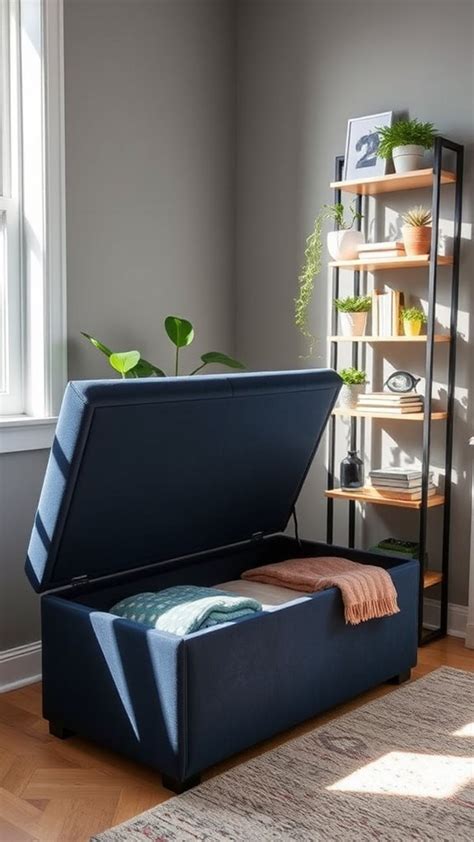
Clutter is the fastest way to make a living room feel cramped and chaotic, making clever storage solutions non-negotiable for modern living. Investing in multi-functional furniture is one of the most effective ways to maximize square footage without sacrificing style. A storage ottoman serves double duty as a comfortable footrest and a hidden cache for extra throw blankets, board games, or seasonal pillows. Similarly, coffee tables with lift tops provide a convenient surface for casual dining or working on a laptop from the couch.
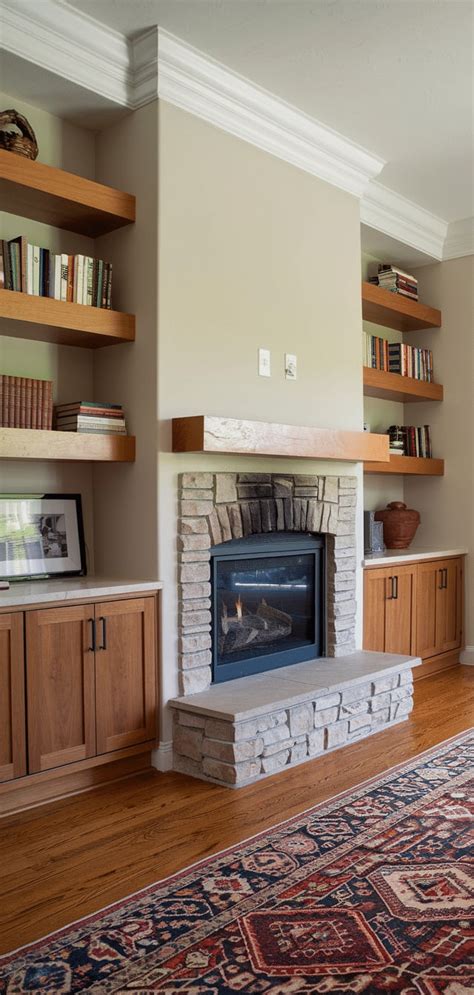
Vertical space is frequently underutilized in both apartments and houses. Tall bookcases, modular shelving units, and wall-mounted ledges draw the eye upward, creating an illusion of higher ceilings while providing ample display and storage capacity. Renters should look for freestanding shelving units anchored safely to the wall with minimal hardware, while homeowners can anchor custom floor-to-ceiling cabinetry for a seamless, built-in aesthetic that organizes the entire room.
Layering Lighting for Atmosphere and Practicality
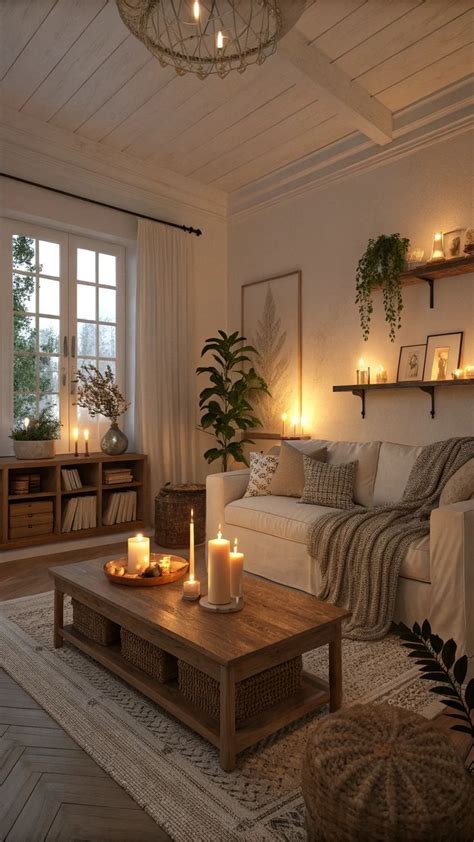
Overhead lighting alone rarely creates a welcoming atmosphere in a living room, often casting harsh shadows and making the space feel sterile. Achieving a warm, inviting environment requires a layered lighting strategy that combines ambient, task, and accent sources. If your rental apartment lacks overhead fixtures in the living area, floor lamps with adjustable arc designs and dimmable table lamps bridge the gap beautifully. Plug-in wall sconces mounted with adhesive brackets offer another stylish way to flank a sofa or highlight artwork without dealing with electrical wiring.
Homeowners have the flexibility to install recessed ceiling lights, hardwired chandeliers, or dimmer switches that allow for precise mood control throughout the day. Regardless of whether your lighting solutions are plugged in or hardwired, incorporating warm-toned LED bulbs instantly softens the room. Adding candles or accent lighting on bookshelves introduces subtle pools of illumination that make the space feel cozy during evening hours.
Personalizing with Textiles and Statement Accessories
The final layer of any living room revamp involves the textiles and accessories that reflect your personal taste and tie the entire color palette together. Throw pillows, knitted blankets, and textured area rugs introduce tactile warmth and allow you to experiment with seasonal color trends without making a major financial commitment. If you favor a neutral base, layering varying textures like bouclé, linen, and leather prevents the room from feeling flat or uninspired.
Statement accessories such as large indoor plants, sculptural ceramics, or curated coffee table books provide the finishing touches that make a house feel like a home. Renters and homeowners alike can easily swap these portable accents as personal tastes evolve. By focusing on intentional curation rather than accumulating clutter, your living room will maintain a balanced, sophisticated feel that genuinely supports your daily routine.
Frequently Asked Questions
How can I revamp my living room if I am renting and cannot make permanent changes?
You can easily revamp a rental living room by focusing on non-permanent updates. Use peel-and-stick wallpaper for accent walls, command strips or heavy-duty temporary hooks for artwork, and plug-in wall sconces instead of hardwired fixtures. Layering textiles like area rugs, throw blankets, and accent pillows also introduces color and texture without altering the physical structure of the space.
What are the best space-saving ideas for small U.S. apartments?
To maximize small apartment spaces, invest in multi-functional furniture such as storage ottomans, lift-top coffee tables, and nesting tables. Utilize vertical space by installing tall bookcases or leaning shelves that draw the eye upward. Keeping furniture scaled appropriately to the room and pulling key pieces slightly away from the walls will also prevent the layout from feeling cramped.
How do I balance style and function in a shared living space?
Balancing style and function requires establishing designated zones and investing in hidden storage. Use modular furniture that adapts to different activities, such as working, relaxing, or hosting guests. Incorporating enclosed storage cabinets or decorative baskets ensures everyday items like electronics, toys, and paperwork can be quickly tucked away to maintain a clean, polished appearance.
What are some budget-friendly ways to update a tired living room?
Budget-friendly living room updates include rearranging your existing furniture layout to improve traffic flow and focal points. You can also swap out inexpensive accessories like pillow covers, add a large houseplant for natural greenery, or create a gallery wall using affordable frames and personal prints. Simple changes like updating lampshades or adding warm-toned light bulbs can also dramatically alter the room’s atmosphere.