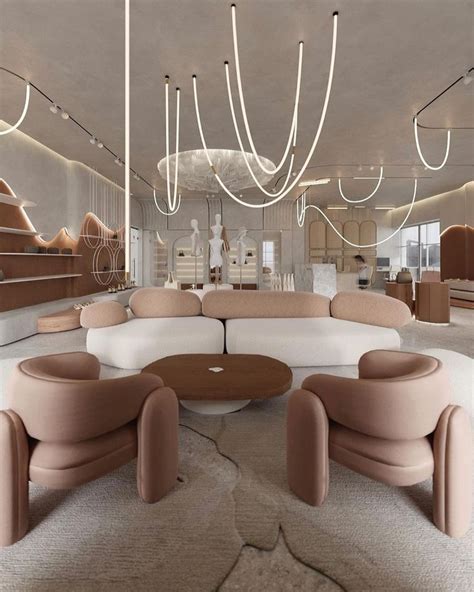
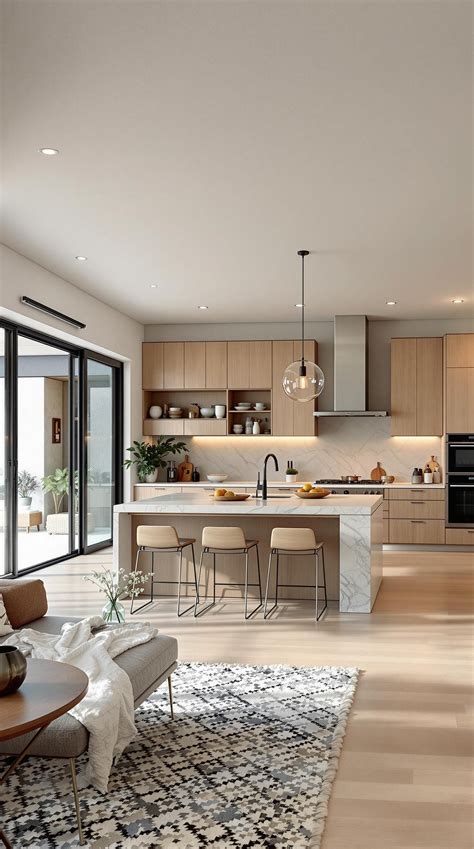
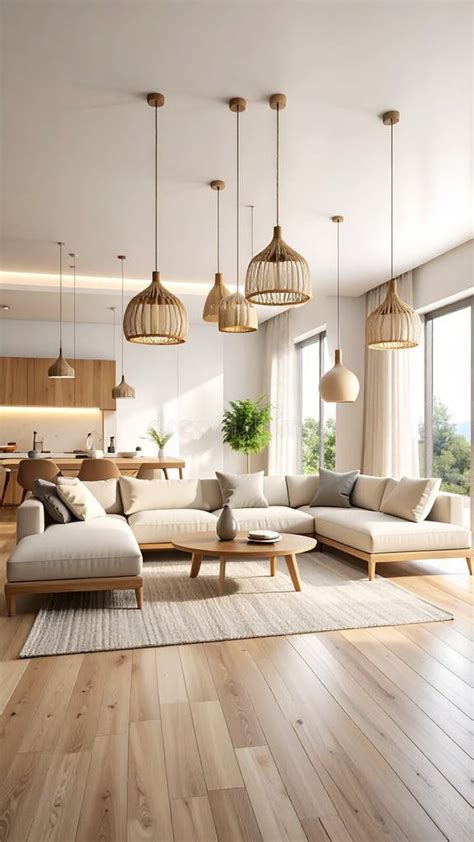
Revitalizing your living space does not require a complete architectural overhaul or an unlimited financial budget. Whether you live in a suburban single-family home or a compact urban apartment, thoughtful interior styling can dramatically alter how a room feels and functions. The secret lies in balancing personal expression with practical layout choices that suit standard American residential floor plans. By focusing on intentional changes—such as shifting furniture focal points, layering lighting sources, and introducing cohesive color palettes—you can create an environment that feels both deeply personal and professionally designed.
When planning your home refresh, it helps to approach each area room by room rather than attempting to tackle the entire house at once. This manageable approach allows you to evaluate what each space actually needs, whether that means maximizing storage in a shared family room or creating a tranquil sleeping sanctuary. Below, you will find a curated collection of over 100 distinct styling approaches, smart spatial hacks, and budget-friendly ideas designed to help you transform your interiors with confidence.
Living Room Refresh Ideas for Maximum Impact
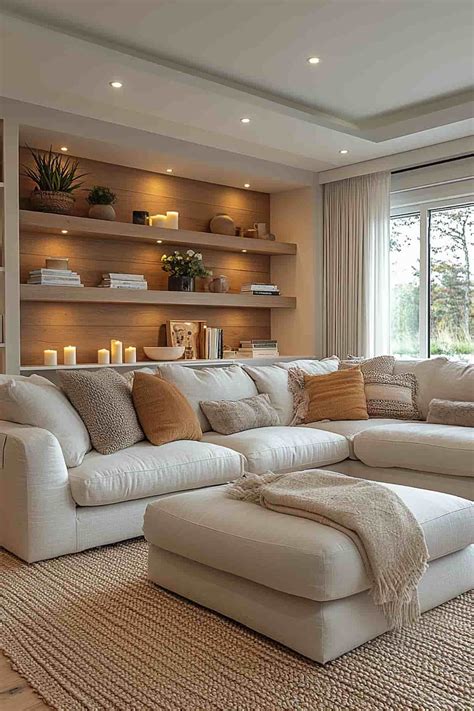
As the primary gathering space in most American homes, the living room deserves design strategies that prioritize both comfort and visual appeal. Start by evaluating your current furniture arrangement. Pulling sofas and armchairs away from the walls creates an intimate conversation area while instantly making the room feel more expansive and thoughtfully planned. Ground the central seating group with a generously sized area rug that extends at least under the front legs of your primary furniture pieces.
Introduce visual depth by mixing textures rather than relying on a single matching set. Pair a woven jute rug with a smooth leather sofa, or balance sleek metal side tables with soft velvet throw pillows. Layering lighting is another high-impact strategy; instead of relying solely on harsh overhead fixtures, incorporate table lamps, floor lamps, and wall sconces at varying heights to establish a warm, inviting ambiance throughout the evening hours.
Creating Focal Points and Statement Walls
Every well-designed living room needs a natural anchor that draws the eye upon entering the space. While a traditional fireplace is an obvious choice, you can easily manufacture a striking focal point using large-scale artwork, an oversized mirror, or a thoughtfully styled media console. Painting a single accent wall in a rich, saturated tone—such as olive green, warm taupe, or deep navy—can also define the room’s character without overwhelming smaller square footage.
When hanging art or arranging shelving around your focal point, maintain a balanced eye-level composition. Avoid the common mistake of hanging pictures too high; center your primary art pieces roughly 57 to 60 inches from the finished floor to ensure comfortable viewing from a seated position. Incorporate books, ceramics, and potted plants on surrounding shelves to add organic warmth and lived-in charm.
Cozy Bedroom Makeovers for Restful Retreats
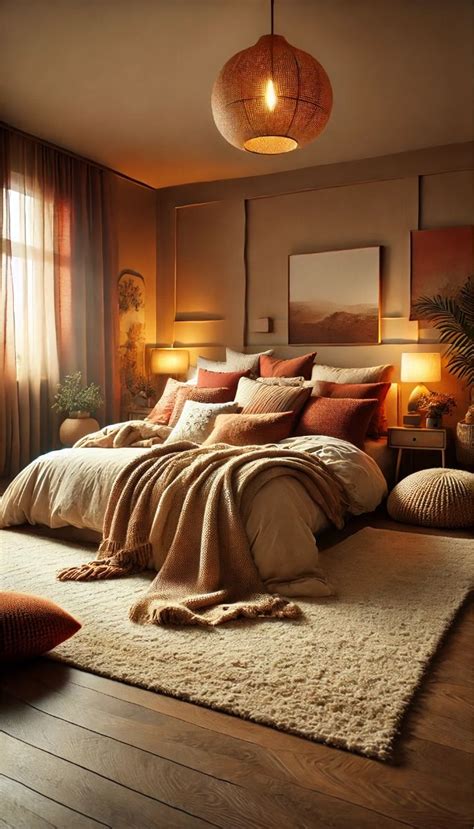
Your bedroom should function as a restorative sanctuary that offers a quiet escape from daily stresses. Begin your bedroom transformation with the bed itself, upgrading your bedding by layering tactile fabrics like crisp linen sheets, a waffle-weave coverlet, and a chunky knit throw blanket at the foot of the mattress. Introducing hotel-quality, oversized bed pillows adds an instant layer of luxury and visual softness.
Window treatments also play a massive role in setting a restful mood. Replace basic blinds with ceiling-mounted, floor-length drapery panels in soft neutral tones like oatmeal or brushed linen. Hanging the curtain rods several inches above the window frame and extending them wider than the glass tricks the eye into perceiving larger windows and higher ceilings, elevating the entire room’s architecture.
Lighting and Nightstand Styling Solutions
Thoughtful bedside styling combines practical utility with decorative appeal. Swap out generic bedside lamps for statement wall sconces or sleek ceramic table lamps that emit a warm, diffused glow. This frees up valuable surface area on your nightstands for everyday essentials like a glass carafe, a current reading book, and a small dish for jewelry.
Keep surface clutter to a minimum by choosing nightstands with built-in drawers or lower shelving units. If your bedroom lacks built-in closet space, incorporate a stylish clothing rack or a vintage armoire to display your favorite seasonal garments, turning functional storage into an intentional design feature that adds personality to the room.
Functional Kitchen and Dining Styling
The kitchen and dining area are often considered the hardworking hubs of the home, but they can easily balance utility with aesthetic charm. In the kitchen, clear off crowded countertops by storing everyday small appliances away, leaving out only a few beautiful essentials like a classic wood cutting board, a ceramic crock of wooden utensils, and a stylish electric kettle.
In the dining space, anchor the room with a statement pendant light or chandelier suspended roughly 30 to 36 inches above the tabletop. Style the center of the table with a low-profile ceramic bowl filled with seasonal fruit or a simple glass vase of eucalyptus branches, ensuring family members can easily converse across the table without visual obstructions.
Small-Space Hacks for Renters and Compact Apartments
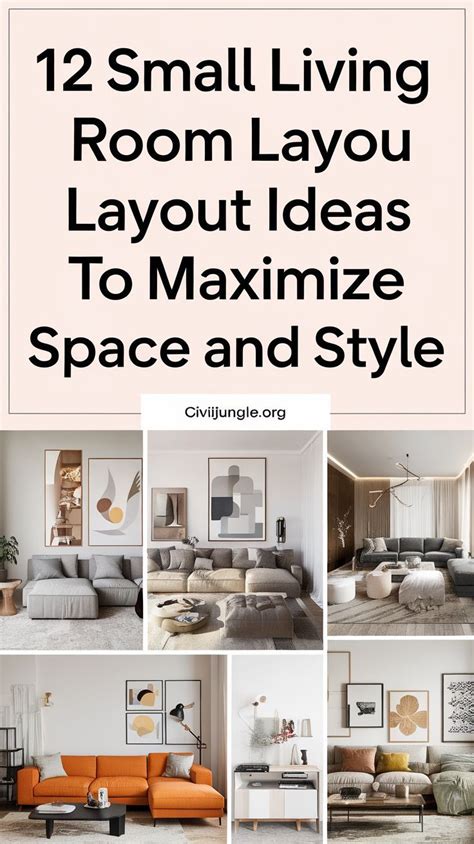
Living in a rental or a compact urban apartment requires smart spatial strategies that maximize square footage without causing permanent alterations. Embrace multifunctional furniture pieces, such as an upholstered storage ottoman that conceals extra blankets or a coffee table with a lift-top mechanism that doubles as a laptop workspace.
Utilize vertical wall space extensively to keep floors clear and open. Install floating shelves for displaying books and decor, or use damage-free hanging strips to create a gallery wall of framed prints. Mirrors are another renter-friendly staple; placing a large leaning mirror opposite a window instantly bounces natural light around the room and creates the illusion of doubled space.
Budget-Friendly DIY Accents and Color Palettes
Transforming your home does not require expensive retail purchases. You can achieve high-end looks on a modest budget through creative DIY accents and strategic color choices. Give dated wooden furniture a modern refresh with a coat of matte black or warm cream paint and updated hardware handles in brushed brass or matte black.
Experiment with color blocking in smaller areas like a foyer or a home office nook to establish distinct zones. Incorporate inexpensive botanical prints into matching thrifted frames to create an impressive gallery arrangement that costs very little. By focusing on intentional details and personal touches, you can continuously evolve your home decor to match your changing lifestyle needs.
Frequently Asked Questions
How can I decorate my home on a strict budget?
Focus on high-impact, low-cost changes such as rearranging existing furniture, updating cabinet hardware, painting accent walls, and utilizing thrifted frames for custom art prints. Layering textiles like throw blankets and area rugs also adds significant warmth without requiring major investments.
What are some effective ways to make a small room look larger?
To make compact spaces feel bigger, incorporate large mirrors to reflect natural light, hang floor-length curtains high above window frames, choose multifunctional furniture with exposed legs, and maintain a cohesive, neutral color palette that minimizes visual clutter.
How can renters personalize their living space without making permanent changes?
Renters can use peel-and-stick wallpaper on accent walls, hang art using heavy-duty command strips, invest in statement area rugs to cover unappealing flooring, and rely on freestanding shelving units and lighting to add character without violating lease agreements.
What interior design styles are currently popular in U.S. homes?
Modern organic, warm minimalist, and transitional styles remain exceptionally popular across American households. These design directions emphasize natural materials like wood, stone, and jute, combined with comfortable, clean-lined upholstery and calming neutral colorways.