Finding the ideal seating arrangement for an American home involves much more than simply browsing a showroom and picking the most visually striking couch. Whether you are settling into a newly constructed suburban open-concept floor plan or updating a classic urban apartment, the combination of modern sofas and loveseats serves as the emotional and visual anchor of your living space. When thoughtfully chosen, these key furniture pieces bridge the gap between everyday comfort and architectural elegance.
Successfully curating this core seating group requires careful evaluation of room proportions, family routines, structural durability, and textile performance. Rather than viewing the sofa and loveseat as isolated purchases, smart decorators approach them as an integrated system that dictates traffic flow, conversation dynamics, and lighting interactions throughout the day. By establishing clear criteria before you shop, you can avoid costly sizing mistakes and create a welcoming environment that feels both curated and effortlessly livable.
Understanding Modern Sofa and Loveseat Styles
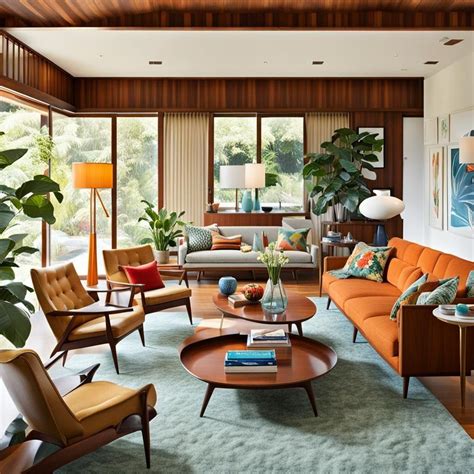
Modern design encompasses a wide spectrum of aesthetic expressions, ranging from sleek, low-profile minimalist profiles to warm, organic mid-century interpretations and versatile transitional silhouettes. Recognizing these stylistic boundaries helps you select pieces that complement your home’s existing architecture without making the interior look like a rigid furniture catalog. Mid-century modern designs, for instance, often feature tapered wooden legs, clean track arms, and button-tufted back cushions, which bring a sense of airy lightness to compact U.S. living rooms.
Minimalist and contemporary sofas, on the other hand, lean heavily into monolithic block forms, oversized cushions, and hidden support legs that emphasize deep lounging and unadorned simplicity. Transitional styles offer a reliable middle ground by blending traditional rolled arms or plush cushions with streamlined, modern proportions. When pairing a sofa with a matching loveseat within these categories, you must decide whether to purchase a matching set from the same collection or intentionally mix two complementary designs. While matching sets guarantee visual harmony, mixing silhouettes through shared upholstery or contrasting leg finishes adds sophisticated depth to your living room decor.
Mapping U.S. Floor Plans and Spatial Constraints
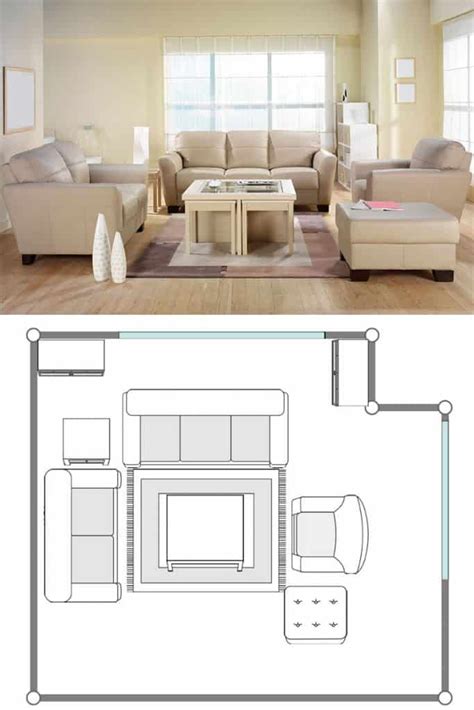
American living spaces vary dramatically, from sprawling suburban great rooms with vaulted ceilings to cozy historic brownstone parlors and modern high-rise apartments. Before selecting your seating configuration, you must map your room dimensions carefully, accounting for architectural quirks like HVAC vents, radiator covers, and swing paths for entry doors. A standard three-cushion sofa typically spans between 84 and 96 inches, whereas a standard loveseat ranges from 52 to 64 inches. Ensuring at least 18 inches of clearance between your seating and the coffee table, as well as 30 to 36 inches of unobstructed walking paths, prevents the room from feeling cramped.
In open-plan layouts where the living room flows directly into the kitchen or dining area, the back of your sofa and loveseat becomes a visible partition. Positioning an elongated sofa to face the main focal point, such as a fireplace or media console, while placing the loveseat at a perpendicular angle creates an intimate, conversational L-shape zone. This configuration naturally defines the seating perimeter without the need for physical room dividers, maintaining an open, airy sightline across the entire main floor of your home.
Selecting Durable and Functional Upholstery Fabrics
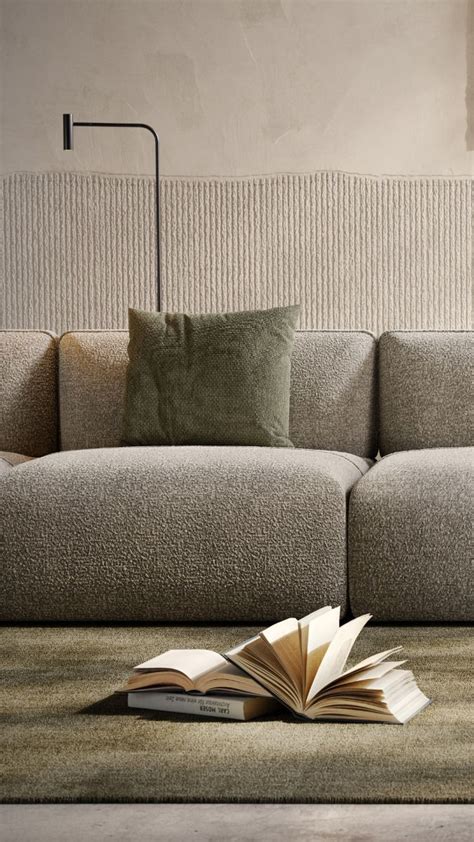
The daily reality of American households—often involving pets, children, weekend movie marathons, and frequent social gatherings—demands upholstery that balances tactile luxury with everyday resilience. Natural fibers like heavy cotton linen and textured wool offer breathable comfort and rich visual depth, but they often require professional cleaning or careful spot maintenance. Performance fabrics, including advanced synthetic microfibers, solution-dyed acrylics, and heavy-duty chenilles, have revolutionized modern seating by resisting liquid absorption, stains, and daily wear without sacrificing a soft hand-feel.
When evaluating fabrics, consider how the material interacts with the natural light pouring through your windows. Velvet and heavy textured weaves absorb light, creating cozy, dramatic shadows that add warmth to cavernous rooms, whereas tight flat-weave linens and light cotton blends reflect natural daylight to brighten smaller spaces. For households with pets, tightly woven synthetic blends or distressed top-grain leathers are exceptional choices because they resist claw snags and wipe clean effortlessly, ensuring your modern furniture retains its pristine look for years.
Actionable Styling Tips: Pulling the Look Together
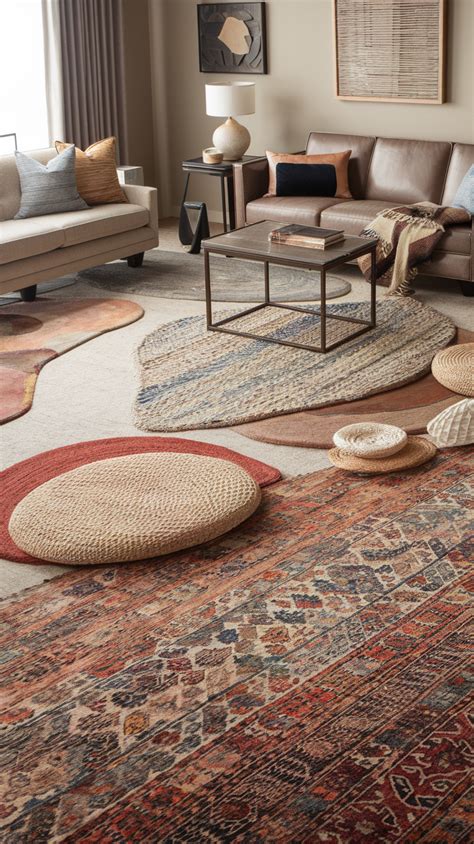
Once your modern sofa and loveseat are positioned, the final styling layer transforms functional furniture into a cohesive interior design statement. Start from the ground up by placing a generously sized area rug beneath your seating arrangement; ideally, all front legs of both the sofa and loveseat should rest comfortably on the rug to anchor the conversational grouping. Avoid undersized rugs that float isolated in the center of the room, as this visually shrinks the perceived dimensions of your living space.
Layering decorative pillows and throws is the easiest way to introduce seasonal color, pattern, and tactile contrast to neutral upholstery. Combine structured lumbar pillows with softer down-filled square inserts, varying the textures between chunky knits, smooth velvets, and subtle geometric linens. Complete the arrangement with a thoughtfully scaled coffee table and layered lighting—combining overhead dimmers with a sculptural floor lamp next to the loveseat—to create a warm, inviting atmosphere tailored for both quiet evenings and lively weekend entertaining.
Frequently Asked Questions
How do I choose between a full-size sofa and a loveseat?
Your choice depends primarily on your room dimensions and household seating requirements. A full-size sofa serves as the primary lounging anchor for multiple people, while a loveseat is ideal for smaller rooms, secondary seating zones, or as a complementary piece paired with a larger couch.
What are the key characteristics of modern sofa design?
Modern sofa design typically features clean lines, streamlined silhouettes, functional minimalism, and honest use of materials. Common elements include exposed wood or metal legs, tailored track arms, low-profile frames, and an emphasis on architectural simplicity over ornate carving.
How can I fit a sofa and loveseat set into an open-plan living room?
In an open-plan layout, use your sofa and loveseat to define boundaries by floating them away from the walls. Arrange them in an L-shape configuration facing the primary focal point, allowing the backs of the furniture to naturally demarcate the living zone from adjacent kitchen or dining spaces.
Which upholstery fabrics are best for high-traffic U.S. homes?
High-traffic households benefit greatly from advanced performance fabrics, tightly woven synthetic blends, and distressed top-grain leathers. These materials resist staining, moisture penetration, and everyday wear, making them exceptionally durable for families with children and pets.
How do I style a sofa and loveseat combination so they don’t look overly matched?
To avoid a rigid showroom look, you can select pieces from different collections that share a common design language, such as matching leg finishes or complementary wood tones. Introduce visual variety by varying accent pillows, throws, and side tables while keeping the core color palette harmonious.


