Creating a balanced living room often comes down to how well your main furniture pieces interact with one another. When designing a space where a sofa floats away from the walls—a common layout in modern American open-concept homes—the area behind the seating arrangement can easily look unfinished. Introducing a well-proportioned console table provides an immediate anchor, dividing zones while offering a functional surface for lamps, books, and everyday items. Achieving this look requires careful attention to dimensions, clearances, and material textures rather than random selection.
Successful interior styling relies heavily on visual equilibrium. When a sofa and a console table are paired correctly, they create a layered look that draws the eye and makes the room feel intentionally curated. Whether you are outfitting a suburban family room or a high-rise apartment, understanding the foundational rules of proportion will help you avoid common layout mistakes and build a space that is both beautiful and comfortable.
Mastering Scale and Proportion Rules
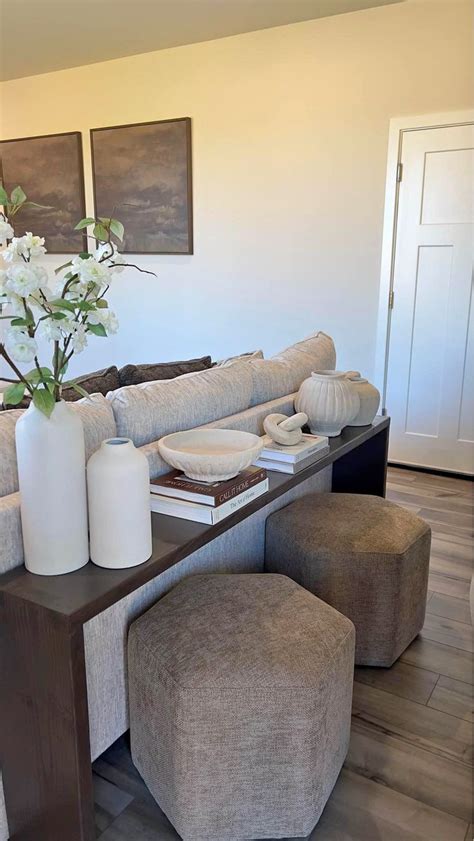
The golden rule of pairing a console table behind a sofa involves length and height ratios. As a reliable standard, your console table should ideally measure about two-thirds to three-quarters of the overall length of your sofa. For example, a standard 84-inch American couch pairs exceptionally well with a console table ranging between 56 and 63 inches in length. This leaves a comfortable buffer on either side, preventing the table from looking overwhelming or awkwardly truncated next to the upholstery.
Height is equally critical for both visual flow and safety. In most standard living room setups, the top surface of the console table should sit flush with or slightly below the top of the sofa’s back cushions. If the table towers above the sofa, it creates an abrasive visual line and makes leaning back uncomfortable. Conversely, if the table is significantly lower than the sofa back, items placed on it risk getting knocked over by casual shifting or lounging.
Strategic Placement in Different U.S. Layouts
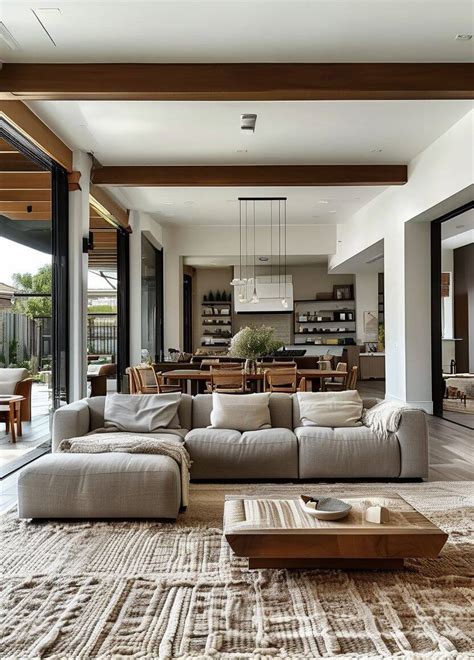
Room layouts dictate how furniture functions on a daily basis. In open-concept floor plans, a console table positioned directly behind a floating sofa acts as a subtle architectural divider between the living area and the adjacent dining space or entryway. This arrangement defines walking paths and prevents the back of the sofa from staring blankly into an open room, grounding the seating area and making expansive spaces feel cozier and more intimate.
For traditional living rooms where the sofa rests flat against a wall, a console table can still find a home against an opposite or adjacent empty wall. In these scenarios, the table serves as a focal point for artwork or mirrors, lifting the vertical plane of the room. Always ensure there is a minimum walkway clearance of 30 to 36 inches around the furniture arrangement, ensuring that high-traffic paths remain unobstructed for everyday family movement.
Mixing Materials and Finishes

A common design dilemma involves whether furniture pieces must match perfectly. In contemporary American interior design, matching every wood grain and metal finish often results in a flat, showroom-like environment lacking personality. Instead, aim for curated contrast. If your sofa features a heavy textured neutral fabric, pair it with a sleek metal-and-glass console or a warm, distressed oak table that introduces natural grain and organic warmth to the space.
Durability should also guide your material choices, particularly in busy family households. Solid hardwoods, powder-coated metals, and tempered glass tabletops withstand daily use far better than fragile lacquered surfaces or delicate veneers. If you have young children or pets, choose materials that resist scratches and clean easily, ensuring your furniture pairing maintains its appeal through years of daily living.
Styling the Surface for Function and Beauty
Once your sofa and console table are correctly positioned, styling the tabletop brings the entire composition together. Avoid clutter by implementing functional balance: a pair of balanced table lamps on either end provides ambient lighting, while a central tray can corral smaller items like remotes, coasters, or seasonal decor. Layering objects of varying heights—such as stacking a few coffee table books beneath a sculptural ceramic vase—prevents the surface from looking flat and uninspired.
Keep safety in mind when selecting heavy decor items for tables situated behind seating areas. Ensure that heavier items are placed securely away from the edge where they might be bumped by anyone sitting down. By blending thoughtful spatial planning with intentional styling touches, your sofa and console table pairing will look effortlessly balanced while serving your household’s practical needs.
Frequently Asked Questions
How high should a console table be in relation to the back of the sofa?
Ideally, the console table should sit flush with or slightly below the top of the sofa’s back cushions. This prevents awkward visual lines and ensures that anyone sitting on the couch will not accidentally bump into a table that is too high.
What is the ideal length ratio for a sofa and console table?
A reliable design guideline is for the console table to measure roughly two-thirds to three-quarters the length of the sofa. This leaves a balanced visual margin on both sides and prevents the table from looking cramped or oversized.
Should a console table match the living room’s wood finishes?
Matching every wood finish is not necessary and can make a room look too uniform. Instead, complement existing tones by mixing complementary textures and finishes, such as pairing a fabric sofa with a warm wood or sleek metal console.
How do you maintain safe clearances in open-concept layouts?
Always maintain a clear pathway of at least 30 to 36 inches around your floating sofa and console table arrangement to allow for comfortable movement through high-traffic living areas.


