When selecting new furniture for your living room, the process often feels daunting if your space features distinct architectural characteristics or a non-standard layout. Rather than forcing trendy pieces into a room where they feel out of place, the most successful interiors rely on a harmonious dialogue between the building’s permanent features and movable decor. Understanding how to evaluate your home’s structural bones ensures that every sofa, coffee table, and accent chair you introduce feels intentional and anchored.
Identifying Your Home’s Core Architectural and Decor Style
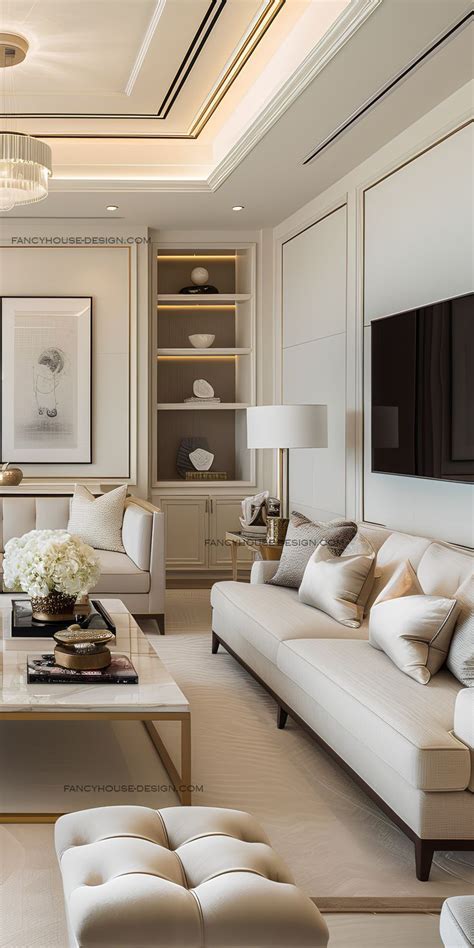
Before browsing furniture catalogs or visiting showrooms, take time to study the permanent architectural elements of your living space. Baseboards, crown molding, window casings, ceiling height, and flooring materials all provide vital clues regarding your home’s design pedigree. A mid-century ranch home demands a vastly different furniture profile than a Victorian row house or a contemporary urban loft, even if your personal taste leans eclectic.
Assessing these fixed details prevents costly mistakes and guides you toward silhouettes that complement rather than fight the room. For instance, if your living room features heavy historic woodwork and traditional fireplace mantels, introducing ultra-sleek, minimalist metal furniture can create a jarring visual disconnect. Conversely, leaning into transitional styles allows you to bridge the gap, pairing clean-lined upholstery with classic wood tones to honor the architecture while maintaining modern comfort.
Balancing Scale, Proportion, and Room Layout

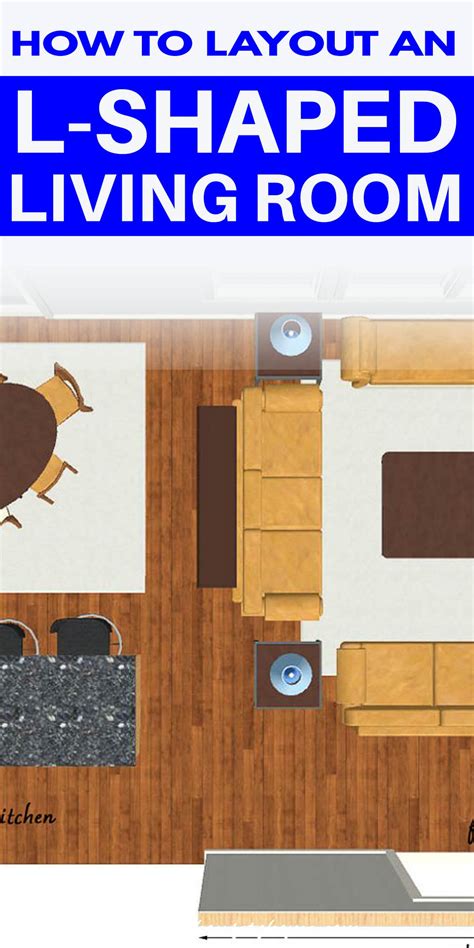
Scale and proportion represent the invisible framework of interior design, dictating whether a living room feels balanced or chaotic. Large rooms with soaring ceilings swallow delicate furniture, making the space feel sparse and uninviting, while oversized sectional sofas can quickly overwhelm compact apartments. Before purchasing any major item, map out your floor plan and measure not just the square footage, but also vertical clearance and natural traffic pathways.
Consider how architectural features like low windowsills, built-in shelving, or asymmetric entryways influence furniture placement. A sofa should never block a primary walkway or cut awkwardly across a prominent architectural focal point like a bay window. By choosing low-profile seating for rooms with restricted vertical space or anchoring expansive rooms with a substantial sectional paired with floating chairs, you create functional zones that respect the room’s inherent dimensions.
Coordinating Colors, Textures, and Materials
Color theory and material selection tie disparate elements of a home together, creating a seamless visual transition from the entryway into the living room. Look at the predominant undertones in your flooring, wall color, and adjacent rooms. Selecting living room furniture that shares similar warmth or coolness in its wood finishes and upholstery prevents visual friction and fosters a sense of continuity throughout the house.
Texture plays an equally critical role in adding depth without relying purely on bright color schemes. When working with neutral backdrops, you can harmonize different furniture eras by layering tactile elements such as bouclé upholstery, raw-edge wood, brushed brass, and woven natural fibers. This tactile interplay softens rigid architectural lines and creates a sophisticated, lived-in atmosphere that feels both curated and welcoming.
Mixing Eras and Styles Without Clashing
Achieving a truly personalized living room often involves mixing furniture from different eras, but doing so successfully requires a deliberate anchoring strategy. The secret to a cohesive eclectic interior is establishing a dominant design anchor—such as a large sofa or a central media console—while using secondary pieces as supportive accents. Repeating a specific material, shape, or color across multiple pieces creates a visual thread that ties the entire room together.
When blending antique heirlooms with contemporary designs, pay close attention to visual weight and silhouette balance. Pairing a heavy, ornate antique armoire with delicate, wire-legged modern chairs creates an unintended imbalance. Instead, distribute visual weight evenly across the room so that older, highly textured pieces sit comfortably alongside streamlined modern elements, resulting in a timeless space that reflects your distinct lifestyle.
Frequently Asked Questions
How do I determine my home’s unique decor style before buying furniture?
Start by auditing your home’s permanent architectural features, such as molding, window shapes, flooring, and ceiling height. Combine these structural observations with a review of the items you already own and love to pinpoint whether your core aesthetic leans traditional, modern, transitional, or eclectic.
How can I mix different furniture styles in one living room successfully?
Successful style mixing relies on establishing a dominant anchor piece and repeating common elements like wood tones, metal finishes, or textile textures. Balancing visual weight across the room ensures that contrasting eras, such as mid-century modern and traditional, complement rather than compete with each other.
What role do scale and proportion play in furniture selection?
Scale and proportion determine whether your furniture fits the physical dimensions of the room. Oversized pieces crowd small spaces, while tiny furniture gets lost in expansive rooms. Proper scaling ensures comfortable traffic flow and preserves the architectural integrity of the space.
How do I choose colors and fabrics that tie my living room to the house?
Examine the undertones of your flooring, wall paint, and adjacent rooms to establish a cohesive palette. Introduce tactile variety through fabrics and natural materials that echo the existing architectural character of your home while fulfilling your functional needs.


