When you live in a typical American apartment or a cozy suburban starter home, square footage often comes at a premium. Yet, having a modest footprint should never stop you from opening your doors to friends and family. Decorating a small living room for entertaining requires a careful balance between your day-to-day comfort and your guests’ social needs. The secret lies in moving away from bulky, single-purpose pieces and instead embracing clever layouts, flexible furnishings, and intentional styling choices that encourage conversation and movement.
Successfully hosting in tighter quarters is less about cramming more items into the room and more about maximizing the potential of what is already there. By focusing on smart traffic flows, adaptable surfaces, and layered lighting, you can create an environment that feels expansive rather than restrictive. Whether you are planning a casual game night, an intimate dinner party overflow, or holiday gatherings, these practical interior design strategies will help you transform your compact living room into an inviting social hub.
Prioritize Open Traffic Flow and Strategic Furniture Placement
In a standard American living room, furniture is often pushed flat against the perimeter walls under the assumption that it opens up floor space. However, pulling your seating slightly away from the walls actually creates breathing room and establishes a more intimate, conversational circle. When arranging your layout for a gathering, keep the primary walkways clear. Guests should be able to move easily from the entryway to the kitchen or bathroom without constantly navigating around sharp coffee table corners or blocked pathways.
Instead of relying on one massive, heavy sofa that dominates the entire room, consider a streamlined apartment-sized sofa paired with a couple of lightweight accent chairs. This arrangement breaks up heavy visual weight and allows you to easily pivot seats toward the center of the room when company arrives. Maintaining clear sightlines across the space is equally important because unobstructed views make a compact room feel significantly larger and more cohesive during a busy gathering.
Invest in Multifunctional Furniture That Works Double Duty
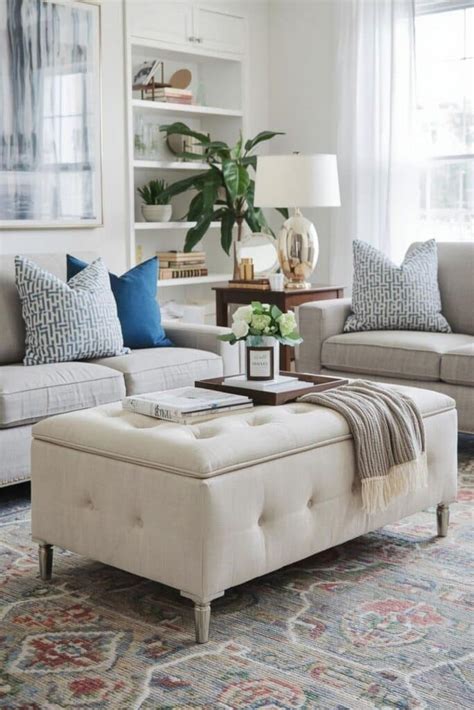
The cornerstone of any successful small-space entertaining strategy is furniture that serves more than one purpose. Nesting tables are a phenomenal investment for compact living rooms because they stack neatly out of the way during quiet evenings, yet can be pulled apart and distributed across the room when guests need a place to set down a drink or a small plate. Similarly, opting for an upholstered storage ottoman instead of a rigid wooden coffee table gives you a hidden spot to stash extra throw blankets and pillows while doubling as emergency seating.
Drop-leaf tables, modular sectionals with built-in storage compartments, and console tables that pull out into dining desks are other excellent options for multi-use living rooms. These pieces allow you to pivot your room’s function within minutes. When shopping or planning your layout, look for furnishings with exposed legs rather than solid blocks that sit directly on the floor. Elevated furniture lets light pass underneath, creating an airy illusion of expansiveness that prevents a small room from feeling crowded.
Deploy Flexible Seating and Clever Surface Solutions
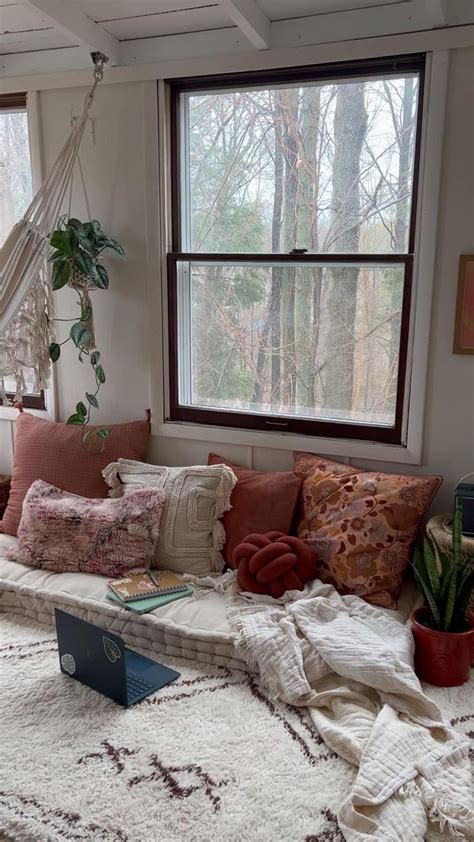
One of the trickiest parts of hosting in a small living room is ensuring everyone has a comfortable place to sit without making the room look like a crowded furniture showroom. The trick is to integrate flexible, low-profile seating options that blend seamlessly into your everyday decor. Floor cushions, upholstered poufs, and elegant folding stools can be tucked into a corner, slid under a console table, or stacked in a closet until the exact moment they are needed.
Surface space is just as critical as seating when people are mingling with drinks and appetizers. If your primary coffee table is too small to hold everyone’s refreshments, supplement it with C-tables that slide neatly over the arm of your sofa or compact accent tables positioned near occasional chairs. This distribution of surfaces prevents guests from balancing plates on their knees and encourages natural conversational groupings to form organically throughout the room.
Layer Your Lighting to Create Warmth and Visual Depth
Overhead lighting in many American homes can feel harsh and uninviting, especially when you are trying to cultivate a cozy, relaxed atmosphere for entertaining. To make a compact living room feel warm and welcoming, rely on a layered lighting scheme that introduces illumination at different heights. Combine floor lamps, table lamps, and wall sconces to cast a soft, ambient glow that pushes shadows into the corners and visually expands the boundaries of the room.
If your rental agreement or budget prevents you from hardwiring new fixtures, plug-in wall sconces and stylish cord-cover kits offer an renter-friendly alternative that frees up valuable floor and table space. Additionally, incorporating dimmers or warm-toned smart bulbs allows you to lower the light level as the evening progresses, creating an intimate ambiance that encourages guests to linger comfortably in your home.
Frequently Asked Questions
How do you arrange furniture in a small living room for entertaining?
To arrange a small living room for entertaining, pull seating slightly away from the walls to create an intimate conversation circle. Use a streamlined apartment sofa paired with lightweight accent chairs that can be easily pivoted. Keep main walkways open so guests can move smoothly without feeling blocked or crowded.
What are the best multifunctional furniture pieces for small spaces?
Nesting tables, storage ottomans, and C-tables are among the best investments for small spaces. Nesting tables provide extra surface area when needed and stack away afterward, while storage ottomans conceal clutter and double as extra seating for drop-in guests.
Where can I store extra seating when I am not hosting?
You can store extra seating out of sight in a bedroom closet, tuck floor poufs and cushions underneath a console table, or stack lightweight stools in a corner behind a sheer curtain or decorative screen until your next gathering.


