Selecting furniture for a central gathering space involves far more than simply picking a piece you spot in a showroom. When you invest in a coffee table set—typically featuring a main central table paired with matching or complementary end tables—you establish the functional and visual anchor of your entire room. Across typical American homes, from compact urban apartments to sprawling open-concept suburban houses, getting the proportions and materials right makes everyday living significantly more comfortable.
A well-chosen set creates immediate design cohesion, eliminating the guesswork of trying to coordinate disparate individual items later. However, achieving that effortless look requires careful evaluation of your floor plan, daily traffic patterns, and household needs. By understanding the core principles of scale, material performance, and layout geometry, you can select a table combination that looks purposeful and stands up to everyday family life.
Assessing Scale and Layout for Multiple Tables
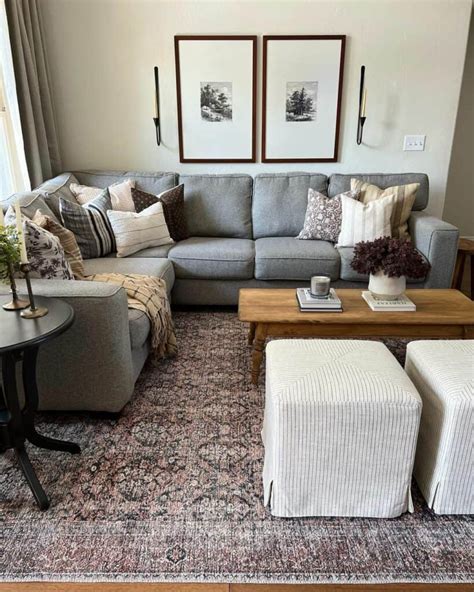
Before browsing any furniture catalog, take precise measurements of your seating arrangement and overall room dimensions. In many American living rooms, the primary challenge is balancing a substantial sectional sofa or a deep-seated couch with enough surface area without choking off walking paths. A good rule of thumb is to ensure there is at least 16 to 18 inches of clearance between the edge of your sofa and the main coffee table, allowing comfortable legroom while seated.
When incorporating matching end tables into the layout, consider how they interact with surrounding armchairs, reading lamps, and walls. In smaller rooms, bulky matching sets can easily overwhelm the floor plan, making the space feel cramped and restricted. Opting for nested tables or a slender console table alongside a more compact coffee table often preserves visual breathing room while still offering adequate surface space for drinks, books, and decor.
Material Durability: Balancing Aesthetics and Lifestyle
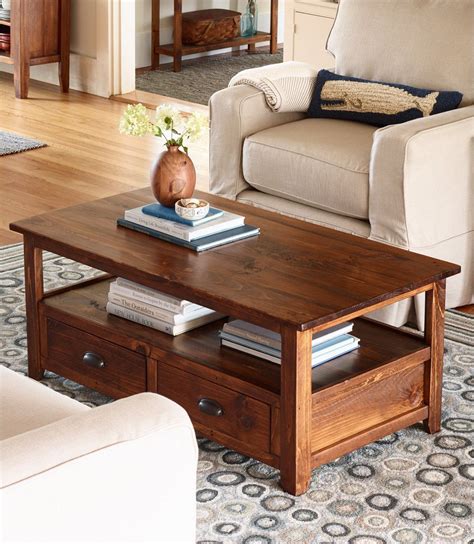
The materials you choose dictate both the visual weight of the furniture and its long-term maintenance requirements. Solid hardwoods like oak, walnut, or maple bring warmth, texture, and exceptional resilience to a room, making them a top choice for households with children or pets. Scratches and minor dings on natural wood can often be easily buffed out or simply add to a charming, lived-in patina over time.
Alternative materials introduce different design trade-offs that deserve careful thought before purchase. Glass tabletops reflect light and visually expand small spaces, but they require frequent cleaning to combat fingerprints and dust smudges. Metal and stone surfaces offer an industrial or modern aesthetic and unbeatable durability, though hard stone slabs require professional sealing to prevent stains from spilled beverages.
Matching Sets Versus Mixed-and-Matched Accent Tables
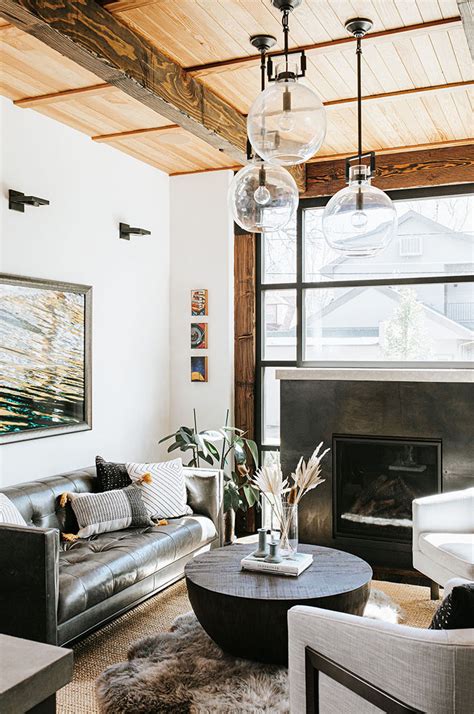
One of the most common styling dilemmas homeowners face is deciding whether to buy a pre-packaged matching set or curate a bespoke collection of individual tables. Matching sets offer guaranteed color and finish coordination, which appeals to those who prefer a clean, traditional, and instantly harmonious look. These packages are budget-friendly and take all the analytical stress out of interior color theory.
Conversely, mixing and matching materials and shapes injects personality, depth, and a more curated designer feel into your living room. You might pair a rustic wooden coffee table with sleek brass and glass end tables to create an eclectic, layered environment. If you take the mixed route, ensure there is at least one unifying element—such as matching leg finishes, similar wood tones, or consistent silhouette geometry—to keep the room from looking chaotic.
Frequently Asked Questions
Should I buy a matching coffee and end table set or mix and match?
Buying a matching set guarantees visual harmony and saves time, which works well for traditional or minimalist spaces. Mixing and matching allows you to showcase personal style and add textural depth, provided you maintain a unifying element like a shared leg finish or silhouette.
What is the correct size and height for a coffee table in relation to my sofa?
Ideally, your main coffee table should sit roughly the same height as your sofa seat cushions, or an inch or two lower. In terms of length, the table should span about two-thirds the total length of your sofa to maintain visual balance.
What materials hold up best for families with kids or pets?
Solid hardwoods and durable engineered woods with matte or distressed finishes handle heavy daily use and minor wear exceptionally well. For households with toddlers, look for tables featuring rounded corners rather than sharp, dangerous edges.
How do I style a multi-piece coffee table set without cluttering the room?
Adopt a minimalist approach by grouping decor into odd-numbered arrangements, such as a tray, a small stack of books, and a single sculptural object. Leave plenty of open surface area on both the coffee table and end tables so the room remains functional for everyday activities.


