Designing an apartment living room that feels both deeply personal and effortlessly inviting often comes down to clever spatial planning and intentional styling. When square footage is at a premium, every piece of furniture and decorative accent must work harder to justify its place in the room. Whether you are dealing with awkward architectural corners, strict rental lease agreements, or simply a lack of natural light, the right design choices can completely alter the atmosphere of your home without requiring a major renovation or losing your security deposit.
Creating a cozy sanctuary starts with understanding your room’s proportions and maximizing everyday functionality. By combining flexible layout solutions with tactile layering, you can transform a sterile or cramped room into an inspiring retreat that welcomes you home at the end of a long day. The following fifteen ideas balance aesthetic appeal with practical apartment living mechanics, offering adaptable strategies that cater to renters and homeowners alike.
1. Master the Art of Multi-Functional Furniture
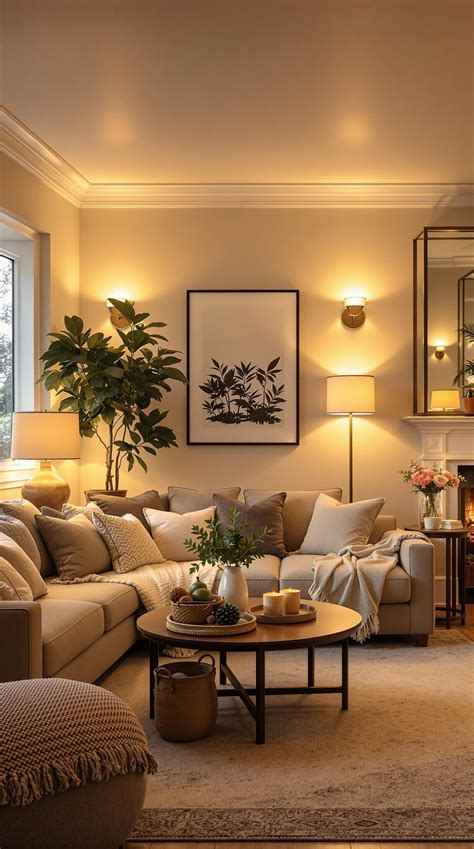
In compact apartment living rooms, floor space is a precious commodity that requires smart investments. Choosing furniture pieces that perform double duty is one of the most effective ways to maintain an uncluttered environment while ensuring your home remains fully functional for everyday living. When every square inch counts, stationary single-purpose items quickly eat up valuable breathing room.
Consider swapping a traditional coffee table for an upholstered storage ottoman that can double as extra seating when guests arrive over the weekend. Alternatively, look into nesting tables that can be pulled apart when you need surface area for drinks or laptops and tucked neatly underneath one another when you want to open up the floor plan. These flexible additions prevent a room from feeling overcrowded and adapt easily to your changing needs throughout the week.
Another excellent choice is a sleek media console with deep cabinets or sliding doors to keep unsightly cords, gaming consoles, and paperwork out of sight. Maintaining visual calm is crucial in smaller layouts, and concealed storage instantly makes a room look larger and more serene without sacrificing your personal belongings.
2. Layer Your Lighting for Instant Warmth
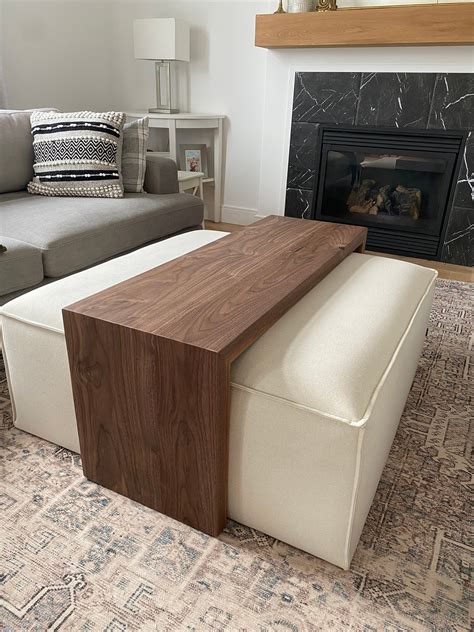
Standard apartment overhead lighting can often feel harsh, clinical, or uninspired. To cultivate a genuinely inviting ambiance, interior designers rely on a layered lighting strategy that operates at different heights throughout the living space. Relying on a single ceiling fixture creates harsh shadows and flattens the room’s atmosphere.
Combine floor lamps, table lamps, and wall-mounted plug-in sconces to create pools of warm, diffuse light rather than depending on a single overhead source. Placing a slim arc floor lamp behind a sofa or reading chair immediately draws the eye upward and adds architectural interest to plain walls. For renters who cannot hardwire new fixtures, plug-in wall sconces with smart bulbs offer a stylish way to illuminate dark corners and create a cozy evening glow.
Do not underestimate the power of candlelight and warm-toned LED ambient lighting. Positioning a small table lamp on a bookshelf or media console introduces horizontal planes of illumination that soften the overall room geometry and make compact spaces feel intimate rather than cramped.
3. Define Zones with Large-Scale Area Rugs
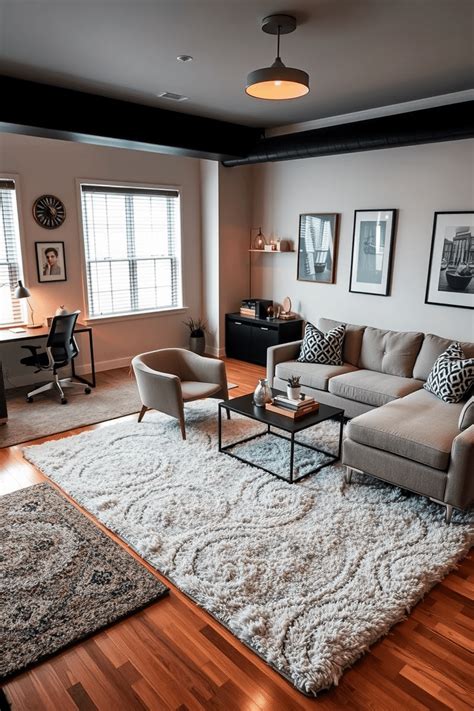
One of the most common mistakes in apartment design is using furniture that is too small for the room, including undersized rugs that make the space feel fragmented. Choosing a generously sized area rug acts as an anchor, visually defining the living zone and bringing warmth to hard flooring surfaces like laminate or tile.
When selecting a rug, ensure at least the front legs of your sofa and accent chairs rest comfortably on the fabric. This creates a cohesive grouping that feels grounded rather than floating aimlessly in the middle of the room. Natural fiber rugs like jute or wool add wonderful texture and durability, while patterned flatweaves can introduce subtle color without overwhelming a compact layout.
Rugs are also a powerful tool for open-concept apartments where the living room flows directly into the dining area or entryway. Different textures or complementary patterns help delineate distinct functional zones without the need for physical room dividers or permanent structural changes.
4. Use Renter-Friendly Wall Treatments to Add Personality
Blank white walls are a staple of apartment rentals, but they can easily make a living room feel cold and temporary. Fortunately, there are plenty of removable, lease-safe techniques available to inject character into your space without risking your security deposit or spending hours patching nail holes.
Removable peel-and-stick wallpaper has evolved significantly in quality, offering sophisticated botanical prints, subtle textures, and classic geometric patterns that can completely transform an accent wall. If wallpaper feels too bold, consider hanging oversized art using heavy-duty adhesive strips or leaning a large framed canvas against the wall on a sturdy credenza to bypass drilling holes entirely.
Hanging textiles, such as a vintage woven tapestry or a lightweight fiber-art piece, is another clever way to introduce color, softness, and acoustic dampening to a boxy apartment living room. These non-permanent solutions allow you to experiment with personal style while remaining fully adaptable to future moves.
5. Embrace Vertical Space and Strategic Mirror Placement
When horizontal square footage is limited, looking upward is the best way to expand your visual boundaries. Tall bookcases, vertical art arrangements, and window treatments hung close to the ceiling all trick the eye into perceiving a more expansive room volume and grander architectural proportions.
Mounting your curtain rods several inches above the window frame and letting floor-length drapery pool slightly on the floor makes windows appear larger and allows maximum natural light to flood the interior. Pairing this with a strategically placed large mirror opposite a window multiplies the available light and creates the illusion of architectural depth.
When styling tall shelving units, alternate between books, sculptural ceramics, and trailing green plants to draw the gaze gracefully upward. This prevents the room from feeling bottom-heavy and ensures that every square inch of vertical space contributes to a balanced, curated aesthetic.
6. Float Your Furniture Layout Instead of Hugging Walls
A common misconception in small spaces is that pushing every piece of furniture directly against the perimeter will open up the middle of the room. In reality, floating your seating group away from the walls often creates a much cozier, more intentional conversational layout that makes the apartment feel deliberate rather than cramped.
By pulling your sofa a few inches away from the wall behind it, you create breathing room that prevents the furniture from looking squeezed into a box. This arrangement also allows you to run cords neatly, incorporate slim console tables behind the sofa for extra lighting, and establish clear pathways for foot traffic around the room.
Experimenting with diagonal placements or arranging chairs around a central focal point can completely shift the energy of a living room. Even in tight quarters, giving your furniture a little room to breathe enhances the overall flow and comfort of the space.
7. Introduce Reflective and Transparent Surfaces
Materials that reflect light or allow it to pass through unobstructed can perform visual magic in an apartment living room. When heavy, opaque furniture dominates a small space, it can easily feel heavy and claustrophobic. Introducing glass, acrylic, and polished metals lightens the visual load considerably.
A clear acrylic coffee table or glass-topped side table virtually disappears into the background, maintaining floor continuity while still providing a reliable surface for drinks and books. Similarly, mirrored trays or metallic accent pieces bounce natural light around dark corners, brightening the entire room during daytime hours.
Balance these sleek, reflective surfaces with warmer textures like chunky knit throws or wooden elements to ensure the room maintains a cozy, tactile quality rather than feeling cold, sterile, or overly modern.
8. Incorporate Built-In Style with Modular Shelving
Custom built-ins are a dream for maximizing apartment storage, but they are rarely an option for renters. Modular shelving systems offer a brilliant compromise, allowing you to build a custom-looking wall unit that can be disassembled and moved to your next home when the time comes.
Floor-to-ceiling modular bookcases provide an incredible amount of storage for books, personal collections, and decorative storage boxes. By utilizing vertical height, you draw the eye upward while keeping everyday clutter neatly organized behind closed cabinet modules or neatly arranged on open shelves.
Take time to curate your shelving displays by leaving some breathing room on the shelves rather than packing every inch with objects. This balance of open space and organized storage keeps the living room feeling light, airy, and sophisticated.
9. Hang Curtains High and Wide
Window treatments do far more than just control natural light and privacy; they are powerful architectural illusions that can dramatically reshape the perceived dimensions of your apartment living room. Standard hanging methods often cut windows short, making them look smaller than they actually are.
Mount your curtain hardware significantly higher than the actual window frame—ideally just a few inches below the crown molding—and extend the rod several inches past the window casing on each side. When you hang floor-length drapery from this height, the eye perceives the windows as much taller and broader.
Choose lightweight, semi-sheer fabrics in linen or cotton to filter sunlight softly while maintaining privacy from neighboring buildings. This airy approach keeps the living room feeling bright, welcoming, and connected to the outdoors.
10. Curate a Cohesive Color Palette
Color choices can make or break an apartment living room. While bright, saturated hues can be fun, an uncoordinated color scheme in a compact space can quickly become overwhelming and visually chaotic. A cohesive, thoughtfully edited palette creates immediate visual harmony.
Leaning into a neutral base of warm whites, soft grays, or gentle greiges provides a calm backdrop that allows your furniture and textiles to shine. You can then introduce personality through accent colors in throw pillows, artwork, and smaller decorative objects that are easy to swap out seasonally.
Sticking to a limited palette of two or three complementary accent tones ensures that the living room feels unified and intentional. This continuity tricks the eye into seeing a larger, more harmonious space.
11. Bring the Outdoors In with Houseplants
Adding living greenery is one of the most effective ways to breathe life and organic texture into an apartment living room. Plants soften hard architectural edges, improve indoor air quality, and introduce a vibrant splash of natural color that complements virtually any design style.
If floor space is limited, look for tall, slender plants like a snake plant or a fiddle-leaf fig that can tuck neatly into an empty corner without impeding movement. Hanging planters and trailing pothos placed on high shelves also draw the eye upward while utilizing vertical dead zones.
Pair your greenery with ceramic, terracotta, or woven basket planters that match your overall decor theme. Even if you lack a green thumb, hardy varieties require minimal maintenance while delivering maximum visual impact.
12. Curate Gallery Walls with Intention
Blank walls present a wonderful opportunity to showcase personal creativity through a gallery wall. However, in an apartment setting, haphazardly hanging random frames can quickly make a living room feel cluttered and chaotic rather than artfully curated.
Start by laying your frames out on the floor or mapping them with paper templates on the wall before driving any nails. Maintain consistent spacing between frames and anchor the collection around a central theme, whether through matching frame finishes, a unified color palette, or a mix of photography and line drawings.
For renters who want to avoid wall damage entirely, picture ledges offer a fantastic alternative. You can lean a variety of framed art pieces and photographs on a slim ledge, allowing you to rearrange and update your display effortlessly whenever inspiration strikes.
Consider incorporating varied textures into your gallery arrangement, such as a small woven wall hanging, a brass mirror, or a shadow box containing a treasured keepsake. This multidimensional approach adds warmth and personal storytelling to your main living space.
13. Maximize Coziness Through Tactile Layering
An inviting living room must feel as good as it looks. In apartments where architectural character might be lacking, layering diverse textiles is the secret weapon to creating depth, warmth, and sensory comfort that invites you to relax and linger.
Combine smooth leather or woven upholstery with plush velvet pillows, chunky wool knit blankets, and textured linen drapery. Mixing these tactile elements prevents a room from feeling flat and introduces a rich, lived-in patina that feels deeply welcoming to residents and guests alike.
Do not be afraid to mix subtle patterns, such as ticking stripes with muted florals or geometric prints. Keeping the color family consistent ensures that mixed patterns feel harmonious rather than competing for attention in your cozy layout.
14. Carve Out a Dual-Purpose Lounge or Reading Nook
Even the smallest apartment living room can often accommodate a dedicated micro-zone for reading, journaling, or quiet contemplation. Carving out a specialized corner transforms an underutilized space into a cherished destination within your home.
Position a comfortable accent chair next to a window or beneath a sleek plug-in wall sconce. Add a slim side table just large enough for a cup of tea and a book, and drape a soft throw blanket over the arm of the chair to complete the setup.
This mini-retreat provides a functional escape within an open floor plan or a compact room, proving that you do not need a massive sprawling layout to enjoy specialized zones dedicated to relaxation and personal well-being.
15. Keep Clutter at Bay with Clever Concealed Storage
The fastest way to make an apartment living room feel small and stressful is visual clutter. When every remote control, stray charger, and pile of mail is left out in the open, the room quickly loses its calm, inviting atmosphere.
Integrate clever concealed storage solutions throughout the space, such as media consoles with doors, storage ottomans, baskets tucked under side tables, and decorative boxes on shelves. Having a designated home for every item makes daily tidying effortless and keeps surfaces clear.
Maintaining an uncluttered environment allows your favorite design elements—like a statement rug, a piece of art, or a favorite houseplant—to stand out and shine, creating a peaceful sanctuary you will love coming home to.
Frequently Asked Questions
How can I make a small apartment living room feel bigger?
To make a small apartment living room feel larger, prioritize multi-functional furniture, use large-scale area rugs instead of tiny mats, and draw the eye upward with tall bookcases and window treatments mounted near the ceiling. Keeping clutter hidden in storage furniture and utilizing mirrors to reflect light will also enhance the sense of space.
What are the best renter-friendly decor ideas for walls?
Renters can add personality without damaging walls by using peel-and-stick removable wallpaper, heavy-duty damage-free adhesive hanging strips for artwork, and leaning large framed canvases on consoles or bookshelves. Hanging woven textiles or picture ledges are other gentle ways to introduce texture and color without risking your security deposit.
How do I arrange furniture in a tight apartment layout?
Start by floating your main seating pieces slightly away from the walls rather than pushing every piece to the perimeter, which can actually make a room feel smaller and more rigid. Anchor the arrangement with a suitably sized rug, and use compact accent pieces like nesting tables or ottomans that can be easily rearranged for entertaining.


