Shopping for a reclining sofa set often brings up a classic interior design dilemma: how to achieve ultimate relaxation without turning your living room into a casual home theater. Traditional reclining furniture has sometimes earned a reputation for being overly bulky, heavily overstuffed, and difficult to integrate into sophisticated decor schemes. However, modern manufacturing and thoughtful design have transformed these pieces into sleek, supportive centerpieces that fit seamlessly into contemporary American homes.
Successfully bridging the gap between comfort and style requires looking beyond the showroom floor and evaluating how a reclining set interacts with your actual square footage, daily lifestyle habits, and existing design palette. By understanding the mechanical options, upholstery trade-offs, and spatial requirements before you buy, you can invest in a furniture set that feels as incredible as it looks.
Assessing Your Living Room Space and Layout
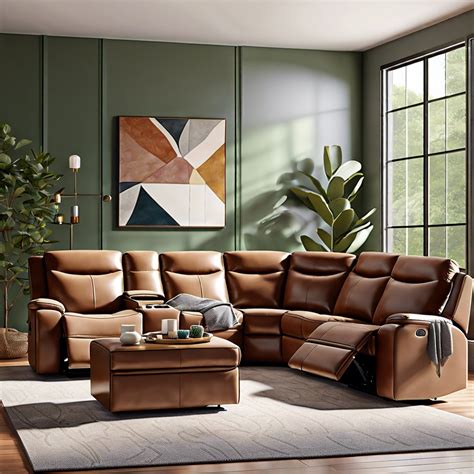
Before falling in love with a specific reclining sofa silhouette, you need to map out your room dimensions realistically. Reclining furniture behaves differently than stationary sofas because its footprint changes dynamically throughout the day. Standard American living rooms often require careful traffic flow planning to ensure that fully extended footrests do not block pathways, interior doors, or entertainment centers.
Wall clearance is perhaps the most critical technical specification to review. Traditional recliners require significant space behind the backrest to tilt backward, whereas wall-hugger or zero-wall designs slide forward on their tracks as they recline, requiring just a few inches of clearance. If your living room layout places the sofa floating in the middle of the room rather than against a perimeter wall, you must also consider how the back of the sofa looks when exposed, as some mechanisms leave motors or structural bars partially visible.
Manual Versus Power Reclining Mechanisms
The choice between manual and power reclining mechanisms fundamentally impacts your daily user experience, price point, and long-term maintenance expectations. Manual recliners typically rely on a pull handle or a latch release, utilizing your body weight to push the footrest down. They are mechanically straightforward, cost-effective, and do not require proximity to a wall outlet, making them versatile for unconventional room layouts.
On the other hand, power recliners operate via whisper-quiet electric motors that allow for infinite, smooth reclining angles and adjustable headrests or lumbar support. While they carry a higher initial price tag and depend on a continuous power source, power mechanisms provide superior ergonomic customizability. For households with aging family members or anyone seeking targeted back support during long movie marathons, the precise positioning offered by power systems is often well worth the investment.
Choosing Upholstery That Balances Durability and Elegance
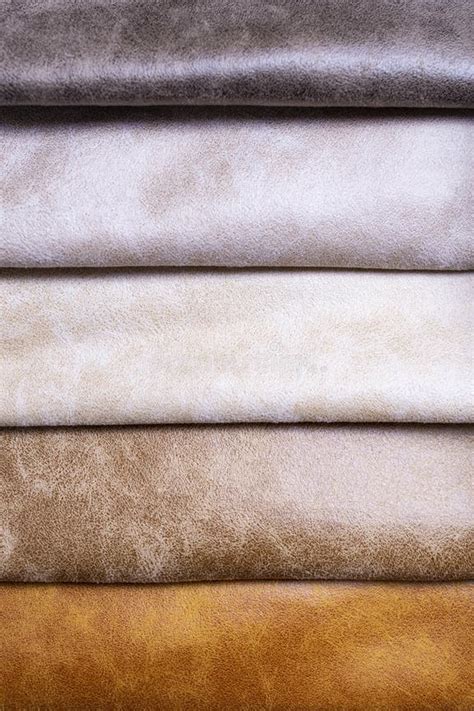
Your choice of fabric or leather will dictate both the visual weight of the sofa set and its ability to withstand daily life. In households with children, pets, or frequent entertainers, high-performance fabrics have become the gold standard. Advanced woven textiles treated with stain-resistant technology repel liquid spills and resist snagging from pet claws, all while maintaining a soft, residential hand-feel that avoids the stiff texture of older utility fabrics.
Top-grain leather and high-grade faux leathers offer a timeless aesthetic that brings richness and texture to a living room, aging gracefully with proper conditioning. However, genuine leather requires mindful temperature management in homes exposed to direct sunlight or dry climates, and it can show scratches more readily if you share your space with active dogs or cats. When evaluating upholstery swatches, always request physical samples to view them under your home’s unique lighting conditions before finalizing your purchase.
Integrating Recliners into Modern Interior Decor Styles
Overcoming the bulky aesthetic associated with older reclining furniture comes down to selecting clean lines and tailored silhouettes. Look for sofa sets featuring slimmer track arms, exposed wooden or metal legs that elevate the base off the floor, and segmented back cushions that offer support without looking pillow-heavy. These design details create a lighter visual footprint that aligns with mid-century modern, transitional, or contemporary American interior styles.
To tie your new reclining set into the rest of your decor, pay careful attention to color coordination and accessory layering. If you choose a neutral charcoal, beige, or navy sofa to maximize versatility, incorporate accent pillows and textured throws that reflect your personal design identity. Pairing the heavy visual weight of a reclining sectional or sofa with a sleek, minimalist coffee table and balanced area rug helps anchor the room, ensuring the furniture feels intentional rather than overwhelming.
Frequently Asked Questions
How much wall clearance does a reclining sofa set need?
Traditional reclining sofas typically require anywhere from 10 to 18 inches of space between the back of the sofa and the wall to fully recline. If your living room has limited space, look for wall-hugger or zero-wall reclining models, which slide forward on a track and need as little as 3 to 5 inches of wall clearance.
Are power recliners worth the extra cost over manual ones?
Power recliners are generally worth the additional investment if you prioritize customizable ergonomic support, smooth transitions, and features like adjustable power headrests and lumbar support. They are especially beneficial for individuals with mobility concerns or back discomfort, though manual recliners remain a reliable, budget-friendly choice if you prefer simplicity.
What fabrics hold up best to kids, pets, and daily use?
High-performance synthetic wovens, microfiber, and distressed leathers are among the most durable options for busy households. Performance fabrics feature built-in stain repellency and tightly woven threads that resist pet claws and heavy wear, making them much easier to clean and maintain than delicate silks, linens, or standard cotton velvets.
How do I choose a reclining sofa that doesn’t look bulky?
To avoid a bulky look, seek out reclining sofa sets with slim track arms, tailored back cushions, and elevated wooden or metallic legs that reveal floor space underneath. Choosing a lighter color palette or structured neutral fabric also helps reduce the heavy visual footprint typically associated with reclining furniture.


