Finding a piece of furniture that delivers supreme relaxation while maintaining your living room’s visual appeal can feel like a delicate balancing act. Historically, reclining sofas earned a reputation for being overly bulky, heavily overstuffed, and difficult to coordinate with modern or transitional interior design. However, contemporary manufacturing has transformed these functional seats into sleek, streamlined centerpieces. Selecting the ideal model requires looking beyond the initial comfort test in a showroom and evaluating how the piece fits your daily routine, room dimensions, and aesthetic goals.
When shopping for American living spaces, homeowners often must navigate open-concept floor plans, traffic flow constraints, and architectural focal points like fireplaces or media centers. A thoughtful approach ensures that your seating choice enhances the room rather than dominating it awkwardly. By evaluating the internal mechanisms, fabric durability, and exact spatial clearance before purchasing, you can secure a long-lasting investment that feels as good as it looks.
Understanding Reclining Mechanisms: Manual, Power, and Wall-Hugger
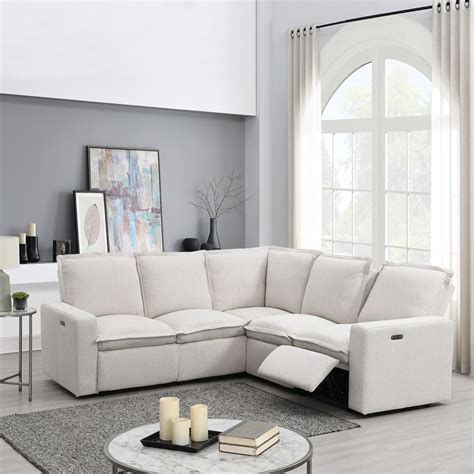
The core functionality of any reclining sofa lies in its mechanism, which dictates how the footrest and backrest move. Traditional manual pull-levers or handle releases offer a straightforward, budget-friendly approach without requiring an electrical outlet nearby. These mechanical systems rely on internal springs and latches, making them relatively simple to operate, though they typically offer fixed stopping positions rather than infinite recline angles.
In contrast, power reclining sofas use quiet electric motors controlled by discreet buttons, often paired with USB ports for convenience. Power units allow you to adjust the headrest, lumbar support, and footrest independently, giving you precise control over your posture. If your living room layout forces the sofa to sit close to a perimeter wall, a wall-hugger reclining sofa is an essential consideration. These specialized frames shift the seat forward as they recline, requiring only a few inches of rear clearance instead of the traditional foot-and-a-half gap.
Selecting the Right Upholstery for Your Lifestyle and Household
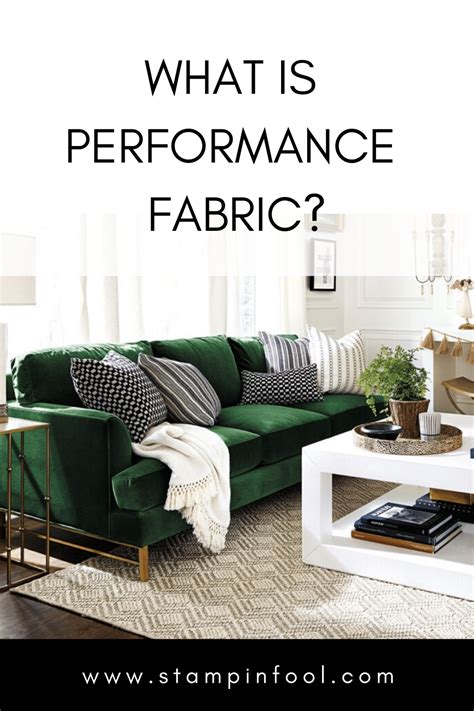
Upholstery choice defines both the tactile experience of your seating and how well the furniture withstands daily life. Households with active children or pets need materials that prioritize cleanability and scratch resistance. Performance fabrics treated with stain-resistant finishes offer incredible versatility, repelling liquid spills while maintaining a soft, woven texture that complements contemporary rugs and throw pillows.
Genuine top-grain leather provides a timeless, sophisticated aesthetic that develops a rich patina over time, though it requires regular conditioning to prevent drying and cracking. Faux leathers and performance microfibers present practical alternatives that mimic high-end textures while offering superior resistance to pet claws and fading from direct sunlight. When evaluating swatches, request samples and test them under your home’s specific lighting conditions to ensure the tone matches your broader color palette.
Space Planning and Measuring for Your Living Room Layout

Integrating a deep-seated reclining sofa into a room requires careful measurement of both floor space and entry pathways. Beyond the basic length and depth dimensions, calculate the fully extended footprint to ensure coffee tables, side tables, and walking paths remain unobstructed. Many buyers overlook the clearance needed for doorways, stairwells, and hallways during delivery, resulting in frustrating installation hurdles.
Styling a bulky recliner successfully involves balancing its visual weight with surrounding decor elements. Pair the sofa with slim-legged accent chairs, a visually light glass or open-frame coffee table, and vertical lighting fixtures that draw the eye upward. Incorporating textured throw blankets and structured cushions breaks up large expanses of fabric, helping the reclining sofa blend seamlessly into a curated, designer-inspired interior.
Frequently Asked Questions
What is the main difference between manual and power reclining sofas?
Manual reclining sofas rely on a physical latch or pull-handle and body weight to shift positions, offering fixed reclining angles without needing electricity. Power reclining sofas use electric motors controlled by buttons, allowing you to stop at any precise angle and often include adjustable headrests and USB ports.
How much wall clearance does a standard reclining sofa need?
Traditional reclining sofas typically require 10 to 18 inches of clearance behind the backrest to fully recline. However, wall-hugger reclining models slide forward on a track as they open, requiring as little as 3 to 6 inches of wall clearance, making them ideal for smaller living rooms.
Which fabrics hold up best against pets and daily wear?
Performance woven fabrics with tightly knit loops, heavy-duty microfibers, and treated synthetic blends resist pet claws and pull threads effectively. Genuine leather is also durable and easy to wipe clean of hair and dust, though it can puncture under sharp animal claws if unmonitored.
How can I make a bulky reclining sofa look modern?
You can balance the heavy visual weight of a reclining sofa by pairing it with airy, open-base accent furniture, slim floor lamps, and a neutral, high-pile area rug. Use structured throw pillows and lightweight throw blankets to soften the silhouette and tie your color scheme together.


