Light grey floors have become a staple in modern American real estate, appearing in everything from suburban split-levels to newly constructed urban apartments. While this neutral foundation offers a bright, clean slate, it can sometimes lean toward feeling cold or clinical if left unstyled. Achieving a genuinely cozy atmosphere requires intentional design choices that balance the inherent coolness of grey with warm textures, inviting color palettes, and thoughtful lighting strategies that work whether you own your property or are bound by a lease.
Successfully styling this flooring type is less about fighting the neutral base and more about layering elements that stimulate the senses. By introducing tactile fabrics, contrasting wood finishes, and ambient illumination, you can completely shift the psychological temperature of the room. The following strategies provide actionable guidance tailored specifically to the structural and lifestyle realities of living in U.S. homes and apartments.
Decoding Undertones and Establishing a Warm Palette
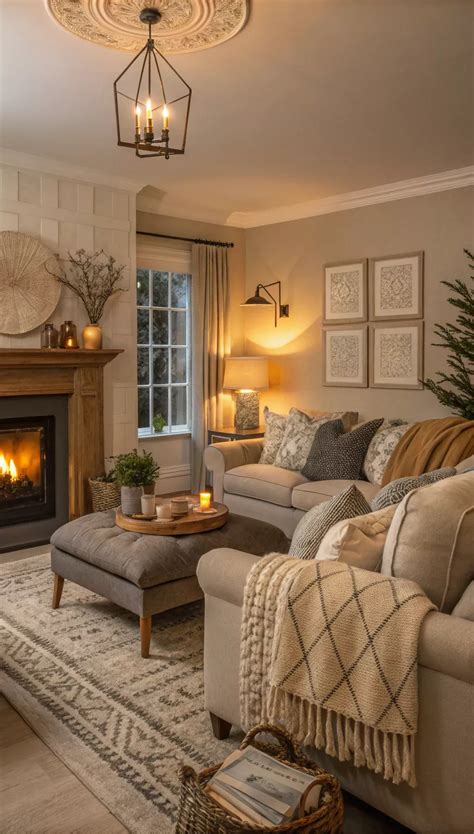
Before bringing new furniture or textiles into your living room, look closely at your flooring to identify its undertones. Light grey floors frequently carry subtle hints of blue, green, purple, or warm beige. Recognizing these undertones prevents color clashes and helps you select a complementary wall and accent palette that instantly adds visual warmth to the space.
If your floors skew toward a cool, icy blue-grey, counteract that chill by leaning into rich, warm neutrals on your walls and larger furnishings. Creamy ivories, soft taupes, and warm terracotta shades create an inviting contrast. Conversely, if your floors feature greige or brownish undertones, you can experiment with slightly deeper muted greens or warm stone hues without making the room feel stark.
Selecting Complementary Wall Colors and Trims
Choosing the right paint color is vital for bridging the gap between cool floors and a cozy aesthetic. Avoid stark, brilliant white paints, which can amplify the clinical feel of light grey flooring. Instead, opt for off-whites featuring yellow or red undertones, such as antique white or subtle linen hues, which bounce warm light around the living space.
For homeowners willing to undertake a weekend painting project, accent walls in muted earthy tones like burnt caramel, olive, or warm clay provide a striking anchor. Renters can achieve a similar warming effect without picking up a paintbrush by hanging large-scale canvas art, tapestries, or textured woven wall hangings that draw the eye upward and introduce rich, organic pigments.
Layering Textures and Rugs to Defeat the Chill
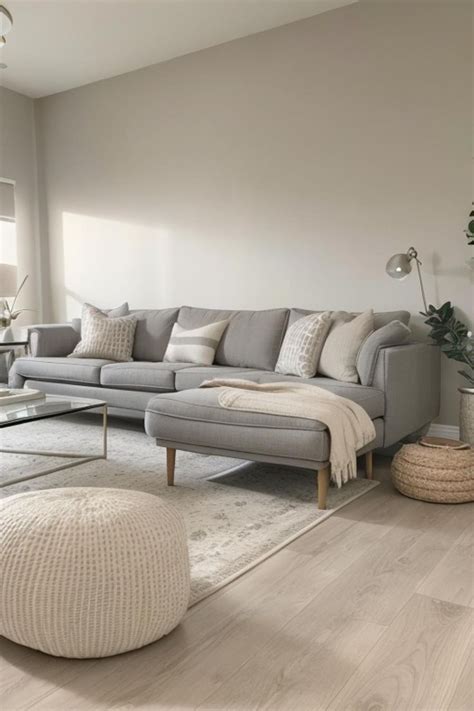
The fastest and most impactful way to soften hard flooring is through strategic textile layering. Bare light grey floors can make a living room feel cavernous or unapproachable, but a well-chosen area rug immediately anchors the seating arrangement while adding physical warmth underfoot.
Look for rugs crafted from natural fibers like wool, jute, or thick cotton weaves. A high-pile Moroccan shag rug or a plush wool option in an ivory or oatmeal tone breaks up the expanse of grey while providing undeniable tactile comfort. For high-traffic family rooms, durable synthetic blends that mimic the look of wool offer easy maintenance without sacrificing softness.
The Art of Throw Blankets and Accent Pillows
Once your foundation rug is in place, continue layering textures on your sofas and armchairs. Mix tactile materials such as chunky knit wool blankets, bouclé cushion covers, velvet pillows, and faux-fur throws. This diversity in fabric creates visual depth, inviting anyone entering the room to sit down and relax.
To maintain a cohesive look, stick to a restrained palette of three to four complementary colors drawn from your overarching design scheme. Renters can easily swap out these decorative textiles seasonally, trading lightweight linens for heavy woven blankets when autumn and winter arrive in regions with colder climates.
Balancing Furniture Materials and Wood Tones
A common misconception is that grey floors require entirely grey or white furniture, which often results in a monotonous, sterile environment. To cultivate true coziness, embrace contrasting materials and a variety of wood finishes that add natural warmth and character to the room.
Incorporate medium-to-warm wood tones like white oak, walnut, or teak through coffee tables, media consoles, and shelving units. These organic wood grains break up the monotony of grey and introduce a grounding, earthy element. Upholstered furniture in warm fabrics like corduroy, textured tweed, or cognac leather further enriches the tactile landscape of the space.
Lighting Strategies to Warm Up Light Grey Spaces
Lighting plays a monumental role in how color and temperature are perceived in interior design. Overhead builder-grade flush-mount fixtures often cast a harsh, cool light that exaggerates the clinical aspects of light grey floors. To cultivate coziness, shift your primary light sources away from the ceiling and focus on warm, multi-layered ambient illumination.
Introduce table lamps with warm-toned ceramic bases, floor lamps with brass or matte black finishes, and dimmable accent lighting throughout the perimeter of the room. Always select lightbulbs with a color temperature between 2,700K and 3,000K, which emit a soft, golden glow reminiscent of traditional incandescent lighting. This simple adjustment instantly banishes shadows and makes light grey flooring feel rich and inviting after sunset.
Frequently Asked Questions
How do I make light grey floors look cozy instead of cold?
To counteract the cool, clinical feel of light grey floors, focus on layering warm textures like chunky knit blankets, high-pile wool rugs, and organic wood furniture. Introduce warm ambient lighting using bulbs rated between 2,700K and 3,000K to create a soft, inviting glow.
What wall colors go best with light grey floors?
Warm neutrals work best. Avoid stark white paint, which can make the room feel sterile. Instead, choose creamy off-whites, soft taupes, muted warm greige, or earthy accent colors like terracotta, olive green, and warm clay.
What kind of rugs work best on light grey flooring?
Thick, natural-fiber rugs such as wool, high-pile shag, or textured jute work exceptionally well. Choose rugs in cream, oatmeal, or warm beige tones to break up the grey flooring while adding essential softness underfoot.
How can renters warm up light grey floors without making permanent changes?
Renters can dramatically transform their space by utilizing large area rugs to cover expansive flooring, draping sofas with plush throws and pillows, bringing in warm wood accent furniture, and using plug-in floor or table lamps with warm-toned bulbs.
What wood tones complement light grey floors?
Medium-to-warm wood tones such as white oak, natural walnut, and teak create a gorgeous, balanced contrast against light grey floors, adding organic warmth and visual grounding to the room.


