An area rug does much more than simply cover a floor; it anchors your entire living room design, defines functional zones, and introduces essential warmth and texture. Whether you are working with an expansive open-concept floor plan or a cozy urban apartment, selecting the right foundation piece completely changes how a room looks and feels. However, finding that ideal balance between visual appeal and practical durability requires looking past basic patterns to consider room dimensions, furniture arrangements, and fiber compositions.
Successfully styling a living room with a statement rug means looking at how every design choice interacts with your existing furniture. From balancing bold geometric prints with neutral upholstery to understanding the subtle geometry of rug sizing, thoughtful planning prevents costly mistakes. By breaking down the selection process into manageable decisions regarding scale, material performance, and placement, you can create a cohesive space that feels intentionally designed.
Mastering Room Geometry and Rug Sizing
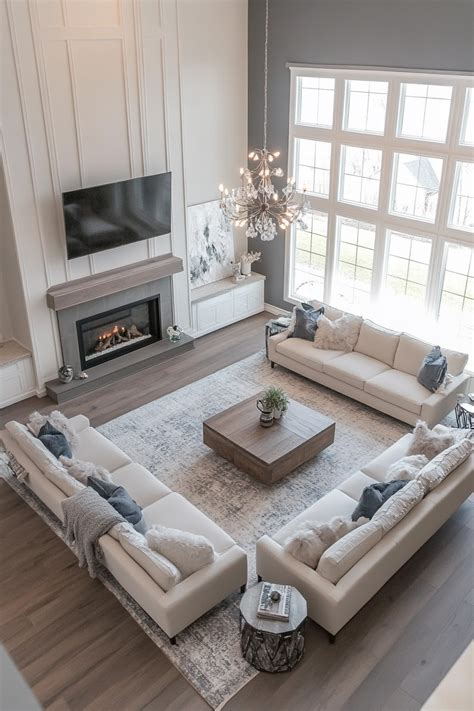
One of the most common design challenges homeowners face is selecting the correct rug dimensions for their living room furniture layout. A rug that is too small instantly makes a room feel disjointed and cramped, while an oversized piece can overwhelm your existing seating arrangements. To achieve visual harmony, consider three primary furniture framing strategies: all legs on the rug, front legs only on the rug, or a floating arrangement where only a coffee table sits centrally on the textile.
For spacious living rooms, placing all furniture legs entirely on a large area rug creates a luxurious, unified conversation area. In medium-sized spaces, keeping just the front legs of your sofa and armchairs on the rug while leaving the back legs on the bare floor is a classic interior design technique that pulls the seating group together without requiring a massive budget. Always measure your room and map out the perimeter with painter’s tape before purchasing to visualize the exact footprint and maintain comfortable walking pathways around your furniture.
Selecting Materials for Durability and Comfort
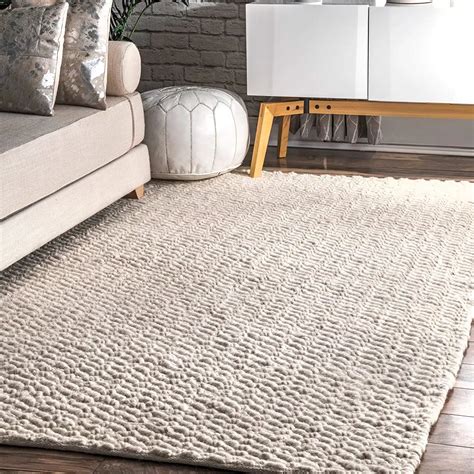
The material composition of your area rug dictates both its tactile comfort and its long-term resilience under everyday foot traffic. Natural fibers like wool provide exceptional durability, natural stain resistance, and a plush underfoot feel that ages gracefully over time. On the other hand, synthetic blends such as polypropylene or polyester offer budget-friendly versatility and incredible resistance to fading and moisture, making them ideal choices for households with energetic pets and children.
When evaluating different fibers, weigh your household traffic against your desire for softness. Natural jute and sisal bring an organic, textured aesthetic to coastal or bohemian interiors, but they can feel rough under bare feet and require more careful spot cleaning. Wool provides the ultimate middle ground of plushness and longevity, though it typically demands a higher initial investment. Choosing the right material ensures your investment withstands daily wear while keeping your living space comfortable and inviting.
Balancing Color, Pattern, and Scale
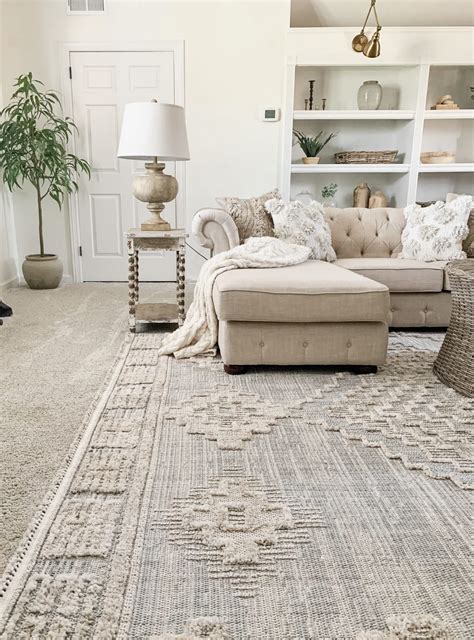
Introducing a patterned or brightly colored area rug is a powerful way to inject personality into a neutral living room, but scale is everything. Large-scale geometric prints or sweeping floral motifs work wonderfully in expansive, minimalist rooms because they command attention without causing visual clutter. Conversely, if your living room already features patterned accent chairs or textured drapery, a subtle, low-contrast neutral rug or a delicate vintage-inspired faded motif will ground the space harmoniously.
Color choice also profoundly influences the perceived proportions of your living room. Light-colored rugs reflect natural daylight, making compact apartments or north-facing rooms feel significantly brighter and more open. Deep, saturated jewel tones or dark charcoal rugs create an intimate, cozy atmosphere in large, sunlit spaces, anchoring floating furniture groups and adding a distinct layer of sophisticated warmth.
Frequently Asked Questions
What size area rug do I need for my living room furniture layout?
The ideal rug size depends on your seating arrangement. For a standard living room, an 8×10 or 9×12 rug usually allows the front legs of your sofa and armchairs to sit comfortably on the rug, tying the conversation area together while leaving a balanced border of exposed flooring.
How do I choose between wool, synthetic, and natural fiber rugs?
Choose wool if you want a luxurious, durable, and naturally stain-resistant investment piece. Opt for synthetic fibers like polypropylene if you need a family-friendly, budget-conscious rug that handles heavy traffic and spills easily. Select natural fibers like jute for organic texture in low-to-medium traffic zones.
What rug colors and patterns make a small living room look bigger?
Light-colored neutral rugs in cream, beige, or soft gray reflect natural light and visually expand the floor plane. Simple linear patterns or subtle textures also create an uninterrupted visual flow that makes compact spaces feel much larger.
How can I style an area rug to elevate my living room decor?
Layer a smaller patterned vintage rug or faux-hide over a large, neutral natural-fiber base rug to add sophisticated texture and depth. Ensure your chosen rug style complements existing accent pieces like throw pillows and wall art for a cohesive aesthetic.
How do I clean and maintain high-traffic living room rugs?
Vacuum high-traffic rugs at least once or twice a week without the beater bar if the rug has delicate weaves. Address spills immediately by blotting with a clean white cloth and mild detergent, and rotate your rug every six months to ensure even wear patterns.


