Grey tile flooring is a popular choice in many American homes for its durability, easy maintenance, and sleek modern look. However, when winter rolls around or air conditioning runs high, that same sleek flooring can easily make your living room feel stark, chilly, and uninviting. The visual and physical coolness of ceramic or stone tile often drains warmth right out of a space. Fortunately, you do not need to embark on a disruptive, expensive renovation or tear up your floors to achieve a welcoming atmosphere.
By strategically introducing rich textures, clever lighting adjustments, and a balanced color palette, you can completely neutralize the clinical feel of grey tile. Whether you own your home or rent an apartment with immutable builder-grade tile, thoughtful decorating choices will bridge the gap between cold modern architecture and ultimate comfort. Here are the most effective design strategies to turn your cold grey tile living room into a cozy sanctuary.
Layer Large, Plush Rugs to Insulate the Space

The fastest way to combat cold tile flooring is to cover as much of it as possible with high-pile, heavily textured area rugs. A large rug acts as a literal and visual thermal barrier, softening the hard acoustics of tile while giving your bare feet a welcoming surface to land on. When shopping for a living room with tile flooring, look for thick wool, shaggy jute blends, or plush synthetic fibers that introduce genuine dimension.
To maximize impact, embrace the designer trick of rug layering. Start with a large, neutral natural-fiber base like jute or sisal to anchor your furniture seating arrangement, then layer a smaller, softer vintage-style or faux-fur rug right on top. This approach not only breaks up the monotony of endless grey tile beneath your furniture but also introduces a rich, collected-over-time aesthetic that immediately warms up the entire room.
Incorporate Warm Color Palettes and Contrast
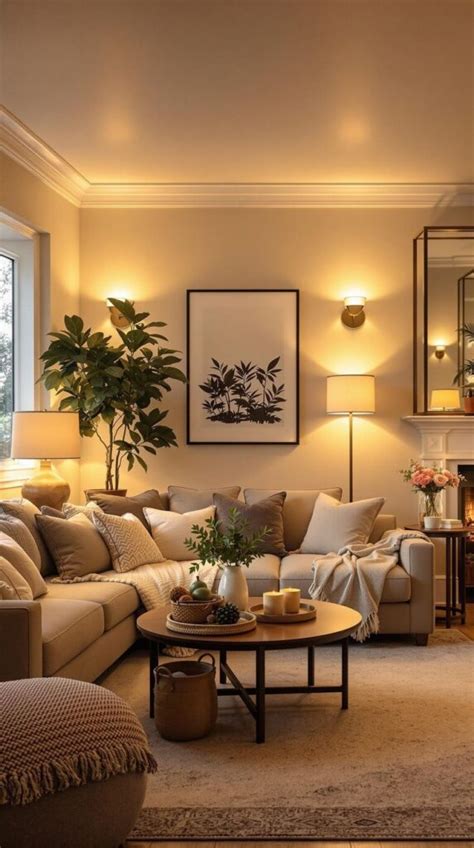
Grey is a famously cool neutral, which means it requires warm opposing colors to feel balanced. If you decorate a grey-tiled room with matching cool tones like crisp whites, blues, and silvers, the space will quickly feel like a sterile hospital waiting room. Instead, introduce earthy, saturated hues through your throw pillows, blankets, drapery, and accent furniture.
Consider rich terracotta, burnt orange, mustard yellow, camel leather, and deep olive greens. These warm pigments naturally counteract the icy undertones of grey ceramic or slate tile. A caramel leather armchair or a series of rust-colored velvet throw pillows placed on a neutral sofa will draw the eye upward and away from the floor, making the entire room feel grounded, cohesive, and deeply cozy.
Upgrade Your Lighting Strategy to Eliminate Glare
Harsh overhead lighting bouncing off shiny grey tile will instantly highlight the coldest aspects of your flooring. To foster a genuinely warm living room environment, banish the big overhead fixtures in favor of layered, diffused ambient lighting at human eye level. Introduce floor lamps with warm brass or wooden stems, table lamps with fabric shades, and plenty of amber-glow LED bulbs.
Placing accent lighting near corners and reflective surfaces creates pools of soft illumination that make hard tile floors look inviting rather than stark. If your living room receives bright, glaring natural sunlight that emphasizes the chill of the tiles, hang soft, heavy linen or velvet curtains to diffuse the incoming light and wrap the room in a gentle, welcoming glow.
Introduce Natural Wood and Organic Elements
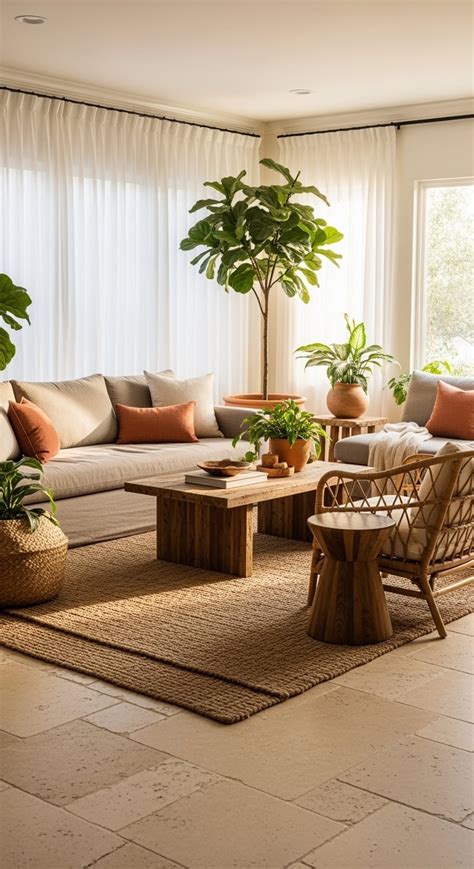
Nothing combats the industrial, manufactured feel of tile quite like raw, organic wood. Incorporating wooden elements throughout your living room introduces rich grain patterns, warm honey tones, and tactile warmth that visually offsets cool grey stone. Look for a solid oak coffee table, rustic wooden bookshelves, or a reclaimed wood media console to break up the hard surfaces.
In addition to wood furniture, bring in plenty of lush indoor houseplants. Greenery adds organic life and softness to a room dominated by hard architectural lines. Place tall fiddle leaf figs in woven seagrass baskets or trailing pothos plants on floating shelves to draw visual interest upward. The combination of green foliage, natural wood textures, and soft textiles creates an earthy sanctuary that completely neutralizes cold flooring.
Frequently Asked Questions
How do I make grey tile look warm instead of sterile?
To make grey tile feel warm, you need to introduce high-contrast elements such as plush layered rugs, warm wood furniture, and cozy textiles in earthy tones like rust, mustard, and camel. Avoid cool-toned color schemes and harsh overhead lighting.
What kind of rug is best for a cold tile living room?
High-pile wool rugs, textured shags, and layered combinations (like placing a smaller vintage rug over a large neutral jute base) work best. Always use a quality rug pad underneath to prevent slipping on smooth tile and to add extra cushioning.
How can I add warmth to a tiled room without changing the flooring?
You can easily warm up a tiled room through non-permanent decor choices. Focus on adding large area rugs, heavy window treatments, tactile fabrics like boucle and velvet, warm ambient lighting, and wooden accent pieces.
What colors complement grey tile and make a room feel cozy?
Earthy and warm colors work best with grey tile. Incorporate shades of terracotta, cognac leather, mustard yellow, warm beige, and olive green to counteract the cool undertones of the grey flooring.


