Grey floor tiles offer a sleek, durable foundation that many American homeowners and apartment renters love for its modern versatility. However, as seasons change or in homes with minimal natural sunlight, cool grey tiles can sometimes make a living room feel stark, clinical, or chilly underfoot. If you are dealing with hard stone, ceramic, or porcelain grey flooring, you do not need to embark on an expensive or disruptive renovation to create a welcoming atmosphere.
Instead of fighting the hard flooring, successful interior styling relies on introducing tactical contrasts. By balancing the cold visual and physical weight of grey tiles with rich textures, warm ambient lighting, and organic materials, you can entirely shift the mood of the room. Whether you are bound by a strict rental lease or looking for permanent styling upgrades, these practical decorating strategies will help you transform your tiled living room into a cozy retreat.
Master the Art of Rug Layering for Maximum Comfort

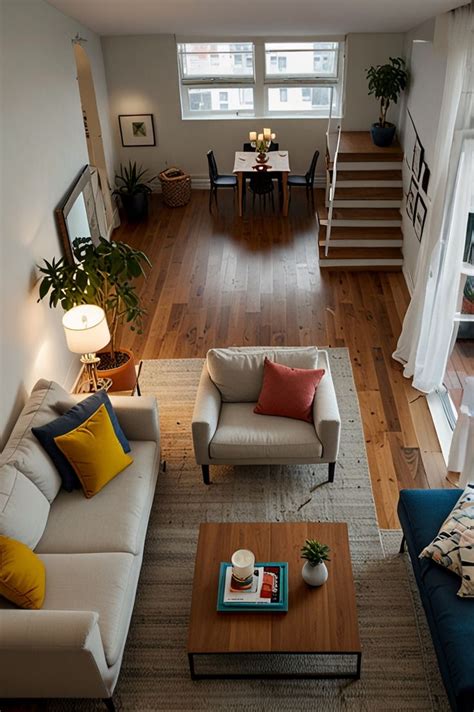
The fastest and most impactful way to combat cold grey tile is by introducing soft floor coverings. Walking barefoot across bare tile in the middle of winter quickly drains warmth from the room, making a high-quality rug an absolute necessity. However, a single flat-weave rug often falls short against large expanses of tile. Instead, consider layering a plush, high-pile vintage-style rug over a larger, neutral jute or sisal base rug to instantly inject depth and physical warmth.
When selecting rugs for a grey-tiled living room, pay close attention to material composition and pile height. Natural wool rugs, thick synthetic shags, or hand-tufted cotton blends provide both thermal insulation and sound absorption, which helps minimize the echo often found in open-concept U.S. homes with hard flooring. Choose warm undertones like camel, rust, cream, or muted gold rather than stark white or cool blue-grey to instantly counteract the chill of the tiles beneath.
Introduce Warm Color Palettes and Accent Pieces
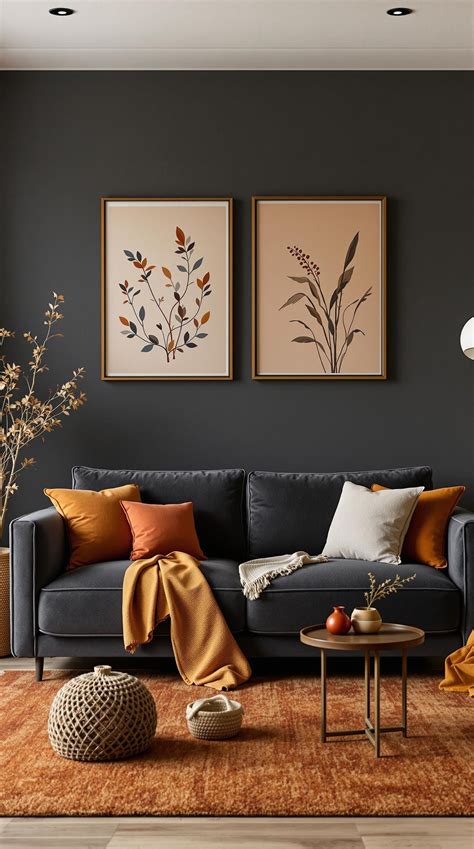
Color psychology plays a massive role in how we perceive temperature within a room. Because grey is a neutral yet inherently cool hue, surrounding it with other cool colors like navy blue, emerald green, or bright white can make the space feel freezing. To counteract this effect, build a palette centered around warm earth tones and rich saturation. Introduce terracotta, burnt orange, mustard yellow, and soft blush through throw pillows, blankets, and wall art.
In U.S. living rooms, large furniture pieces like sofas and media consoles take up significant visual real estate. If your seating rests directly on grey tiles, opt for upholstered pieces featuring textured fabrics like corduroy, bouclé, or warm camel leather. These materials create an immediate visual barrier against the cold stone, preventing the furniture from blending too seamlessly into the grey floor and making the entire seating arrangement feel anchored and inviting.
Optimize Your Lighting Strategy on the Kelvin Scale
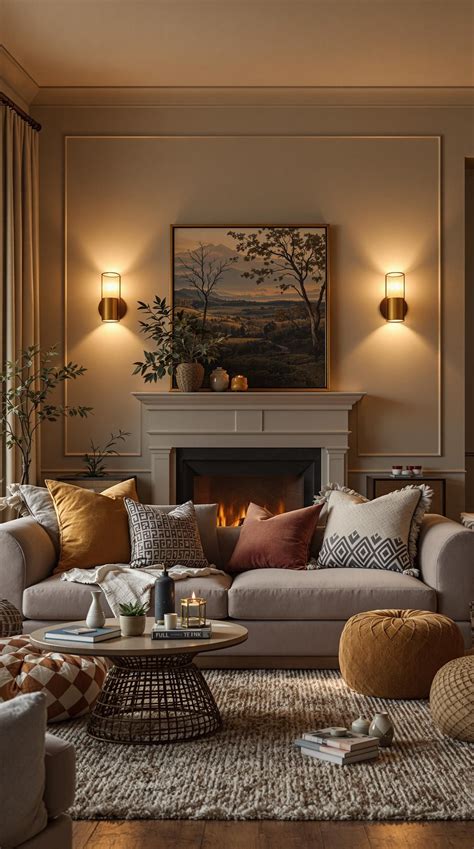
One of the most common design mistakes in rooms with grey flooring is relying on harsh, cool-toned lighting. Standard daylight bulbs or bright white LEDs will bounce off grey tiles, casting an uninviting blue hue across your living space. To fix this, audit every lightbulb in your living room and swap them out for warm-white options that sit between 2,700K and 3,000K on the Kelvin scale. This subtle shift produces a golden glow that immediately softens hard architectural surfaces.
Beyond changing your bulbs, embrace ambient lighting at varying heights rather than relying solely on a single overhead ceiling fixture. Incorporate table lamps with warm ceramic bases, floor lamps with amber or woven shades, and dimmable accent lighting to cast soft shadows across the room. By eliminating dark corners and bright overhead glare, you create a cozy, layered illumination scheme that flatters grey tiles rather than emphasizing their coldness.
Incorporate Natural Elements and Organic Wood Tones
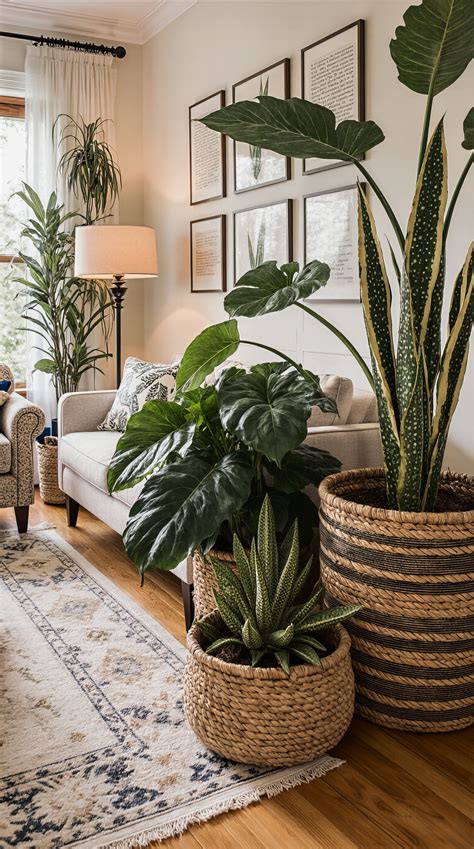
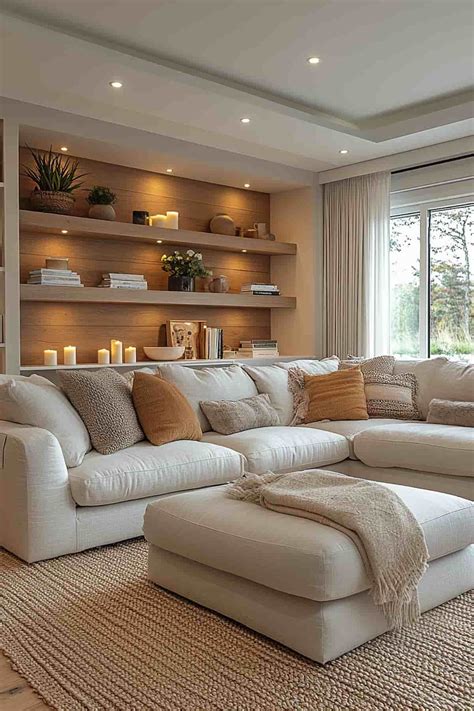
Hard grey tiles often lack organic variation, which can leave a room feeling sterile. Bringing nature indoors is one of the most effective ways to soften manufactured or polished surfaces. Introduce wooden accent furniture—such as a reclaimed coffee table, walnut side tables, or open oak shelving—to inject rich, organic grain patterns that instantly warm up the lower half of the room.
Complement these wood tones with plenty of living greenery. Large potted plants like fiddle-leaf figs, snake plants, or cascading pothos in terracotta or woven baskets break up the monotony of grey flooring. The vibrant green leaves and natural earthenware textures naturally draw the eye upward and outward, making the expansive tile floor feel like a grounded foundation rather than the dominant feature of the space.
Frequently Asked Questions
How do I make grey tile look less cold in a living room?
To make grey tile look less cold, focus on introducing contrasting textures and warm colors. Layer thick wool or jute rugs over the tile, bring in wood furniture, use warm-toned lighting (2700K to 3000K), and add textiles like bouclé, velvet, or knitted throw blankets to create a cozy, balanced environment.
What kind of rug works best over grey floor tiles?
Thick, high-pile rugs made from natural fibers like wool or cotton work best over grey tiles because they provide thermal insulation and physical cushioning. Layering a smaller, patterned vintage rug over a larger neutral jute rug also adds incredible depth and texture to hard flooring.
Which colors complement grey tiles to create warmth?
Warm earth tones complement cool grey tiles exceptionally well. Consider incorporating shades of terracotta, rust, mustard, camel, and warm cream through pillows, throws, and art to visually heat up the room and balance the cool undertones of the floor.
How can I warm up a tiled floor without replacing it as a renter?
Renters can easily warm up tiled floors without permanent alterations by using large area rugs with thick rug pads underneath for extra cushioning. Additionally, adding floor-length curtains, warm ambient lighting, and wooden furniture pieces will dramatically change the room’s temperature without damaging the flooring.