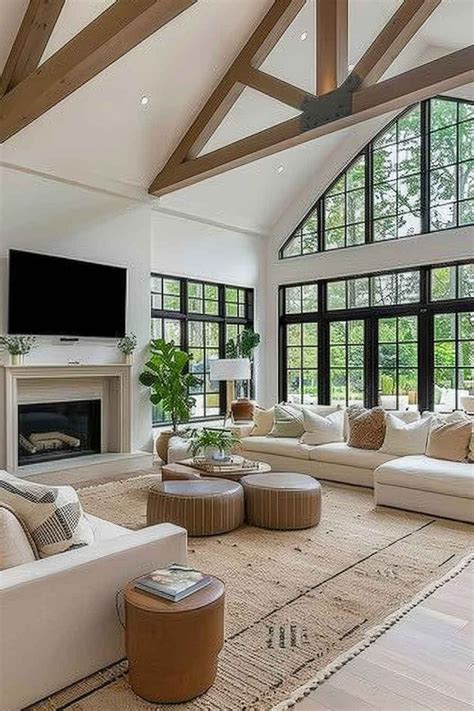
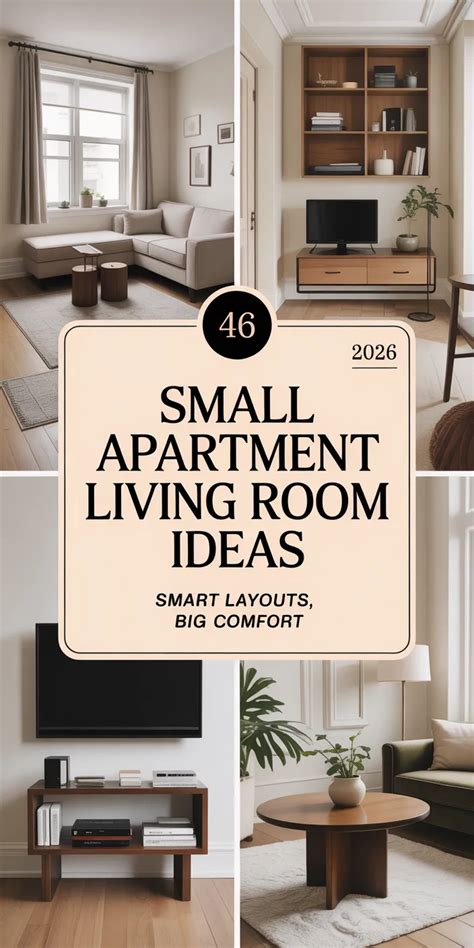
Revitalizing an apartment living room often feels like navigating a delicate puzzle. Whether you lease a cookie-cutter urban unit with strict lease restrictions or own a compact condo where every square foot counts, creating a stylish, functional sanctuary requires a thoughtful approach. Standard builder-grade finishes, awkward room dimensions, and restricted overhead lighting frequently challenge interior styling efforts across typical U.S. residential layouts. Fortunately, modern design trends emphasize adaptability, offering brilliant ways to elevate your main living space without sacrificing your security deposit or breaking your budget.
Achieving a high-end look in a modest footprint comes down to making deliberate choices about layout, texture, lighting, and vertical space. Renters can easily bypass landlord restrictions by leveraging removable, damage-free products that mimic permanent architectural details. Meanwhile, homeowners can invest in bespoke millwork or integrated storage systems that maximize structural potential. By balancing aesthetic desires with everyday practicality, you can craft a living room that feels expansive, cohesive, and deeply personal.
Embracing Non-Permanent Wall Treatments and Accent Features
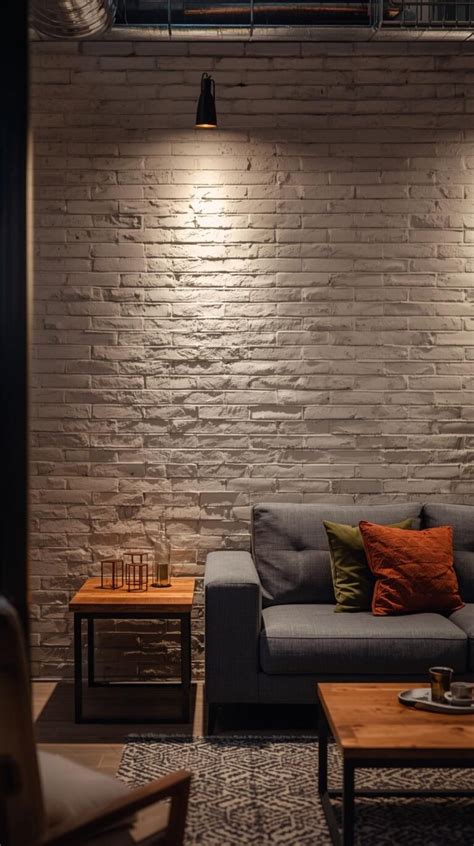
For renters facing neutral, uninspired walls, injecting personality without picking up a paintbrush is a primary design hurdle. Traditional wallpaper and custom wainscoting are usually off-limits under standard U.S. lease agreements, but temporary design innovations have completely transformed what is possible in temporary housing. Peel-and-stick wallpaper has evolved significantly, offering sophisticated botanical prints, subtle textures, and geometric patterns that strip away cleanly when your lease ends.
Beyond wallpaper, consider utilizing renter-friendly architectural details like lightweight faux-brick panels or tension-rod room dividers that create visual boundaries. If you are a homeowner, you have the flexibility to install permanent vertical wood slats or custom board-and-batten accent walls that draw the eye upward and anchor your primary seating area. Both approaches transform a flat, lifeless vertical surface into a stunning focal point that establishes the aesthetic tone for the entire room.
Optimizing Layouts and Investing in Multi-Functional Furniture
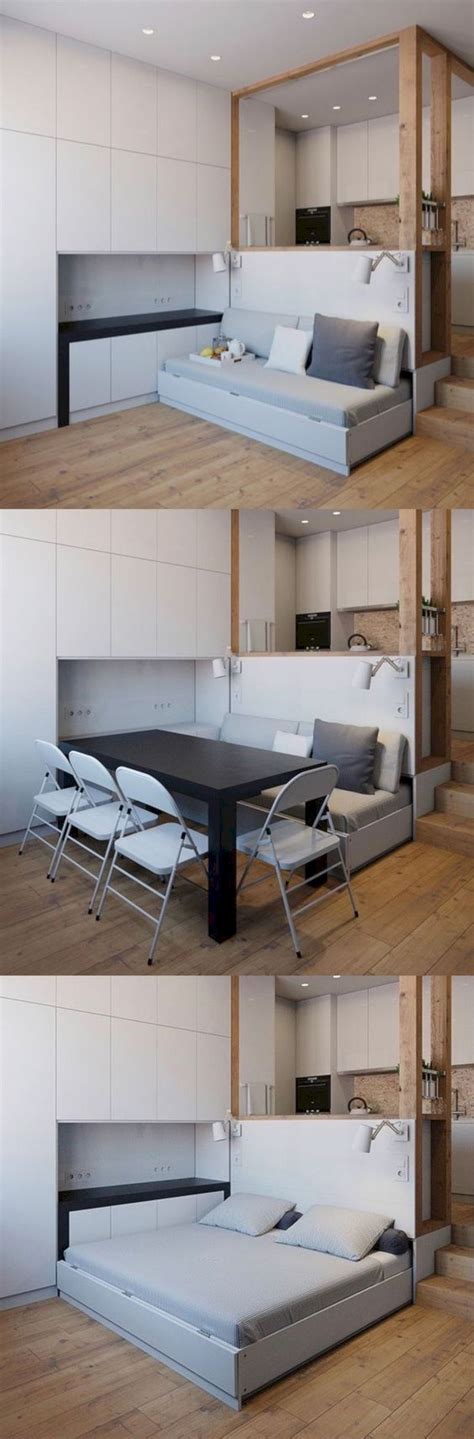
Spatial constraints require furniture to work harder and smarter. In compact American living rooms, oversized sectionals can easily overwhelm the floor plan, cutting off natural traffic flow and making the space feel cramped. Instead, opt for modular sofas, sleek loveseats paired with accent chairs, or low-profile furniture silhouettes that maintain sightlines across the room. Keeping furniture legs visible creates an illusion of greater floor space by allowing light to pass underneath each piece.
Multi-functional furniture is another essential tool for maximizing apartment utility. Coffee tables with hidden lift-tops convert casual seating areas into impromptu dining or remote work stations, while storage ottomans swallow extra throw blankets, board games, and electronics. For both renters and homeowners, anchoring heavy pieces like bookshelves or media consoles to the wall—using heavy-duty furniture straps designed to minimize drywall damage—ensures safety without compromising contemporary interior styling.
Mastering Layered Lighting to Eliminate Harsh Shadows
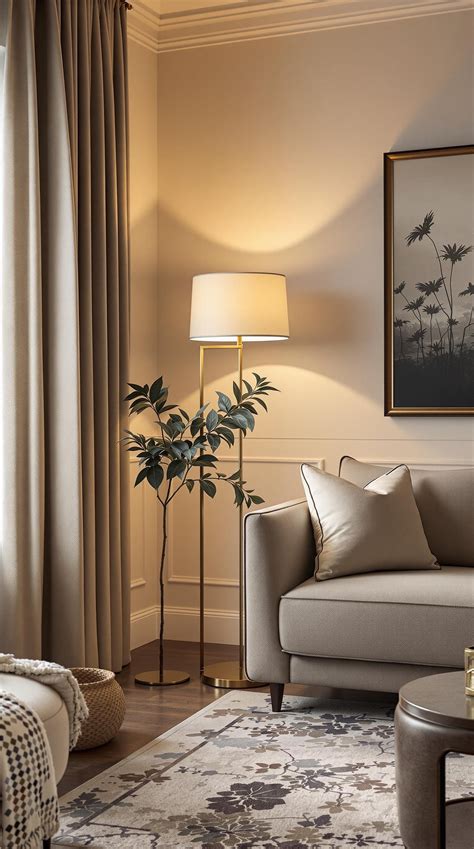
Typical apartment living rooms often rely on a single, harsh overhead light fixture that casts unflattering shadows and flattens the room’s dimension. Creating a cozy, inviting atmosphere requires a layered lighting strategy that incorporates ambient, task, and accent lighting at varying heights. Start by introducing floor lamps in dark corners, table lamps on sideboards, and sleek wall sconces that utilize battery-operated rechargeable bulbs if hardwiring is not an option.
Dimmers are an inexpensive yet impactful upgrade for rental units and owned homes alike, instantly altering the mood of the space from bright and energetic to warm and relaxed. Incorporating warm-toned LED bulbs (around 2700K) softens the room and makes synthetic materials, neutral walls, and textiles look much richer and more luxurious. Strategic mirror placement opposite windows or light sources will further amplify this illumination, bouncing natural daylight deeper into the interior footprint.
Elevating Comfort and Depth Through Textiles and Decor
The final layer of any successful living room transformation involves tactile elements that soften hard architectural lines. Area rugs are particularly powerful in open-concept apartments, instantly defining the living zone away from the entryway or kitchen. Choose an oversized rug that allows the front legs of your seating furniture to rest comfortably on top, which visually expands the perceived boundaries of the conversation area.
Layering textiles through woven throw blankets, structured velvet pillows, and organic linen curtains hung high and wide creates a tailored, designer finish. When hanging curtains, mounting the rod a few inches below the ceiling rather than directly above the window frame tricks the eye into perceiving taller windows and higher ceilings. Finally, styling coffee tables and open shelving with personal objects, books, and sculptural ceramics ties the entire design narrative together harmoniously.
Frequently Asked Questions
How can I update my apartment living room if I am not allowed to paint or drill holes?
You can completely transform your walls and space using removable peel-and-stick wallpaper, command-strip gallery walls, tension-rod hanging systems, and freestanding furniture. These renter-friendly solutions deliver high visual impact without leaving permanent damage behind.
What are the best layout tricks for a small apartment living room?
To maximize a compact layout, choose furniture with exposed legs to maintain open sightlines, float furniture slightly away from the walls rather than pushing everything to the perimeter, and use an appropriately sized area rug to clearly define the space.
How do I choose furniture that serves multiple purposes in a compact space?
Look for pieces engineered for adaptability, such as storage ottomans, nesting coffee tables, expandable media units, and sleeper sofas. Prioritize items that conceal clutter while fulfilling your daily living requirements.
What are cost-effective ways to make an apartment living room look high-end?
Hanging curtain panels high and wide near the ceiling line, swapping builder-grade light fixtures or utilizing warm table lamps, styling with textured woven throws, and decluttering surfaces instantly elevate the sophistication of any room on a modest budget.