Finding the right balance between open display and hidden storage is essential for any well-designed living room. Whether you are living in a compact urban apartment or a spacious suburban house, innovative shelving transforms blank walls into functional focal points while reducing daily clutter. Modern living room organization goes beyond simple bookcases; it requires thoughtful planning, structural awareness, and a keen eye for interior styling.
When designing or updating your shelving layout, consider how your household actually uses the space. Homeowners tackling permanent architectural additions have different opportunities compared to renters who require damage-free solutions. By combining structural anchor points, clever spatial configurations, and balanced styling techniques, you can achieve a custom look that elevates your entire home interior.
1. Floating Shelves with Hidden Brackets for Minimalist Aesthetics
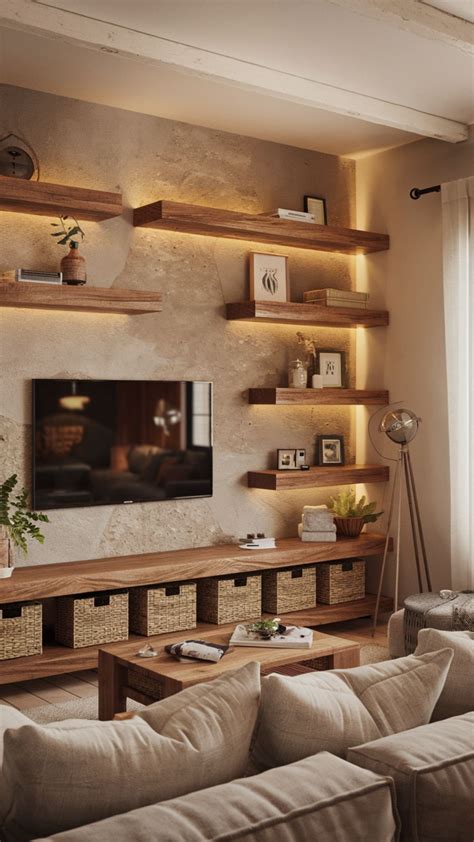
Floating shelves provide a clean, weightless appearance that suits contemporary and transitional American living rooms. Because the mounting hardware is concealed inside the wooden plank, these shelves appear to emerge seamlessly from the drywall. They work exceptionally well above a living room sofa or flanking a television console, offering open display space without visual bulk.
When installing floating shelves on standard American drywall, securing the brackets directly into wall studs spaced sixteen inches apart is critical for structural integrity. If hitting a stud is not possible, heavy-duty toggle bolts provide secure weight distribution for lighter decorative objects like framed photos, small trailing plants, and ceramic vases. Avoid overloading these shelves with massive textbook collections unless the internal steel support frame is explicitly rated for heavy loads.
2. Built-In Bookshelf Walls Surrounding Fireplaces and Media Centers
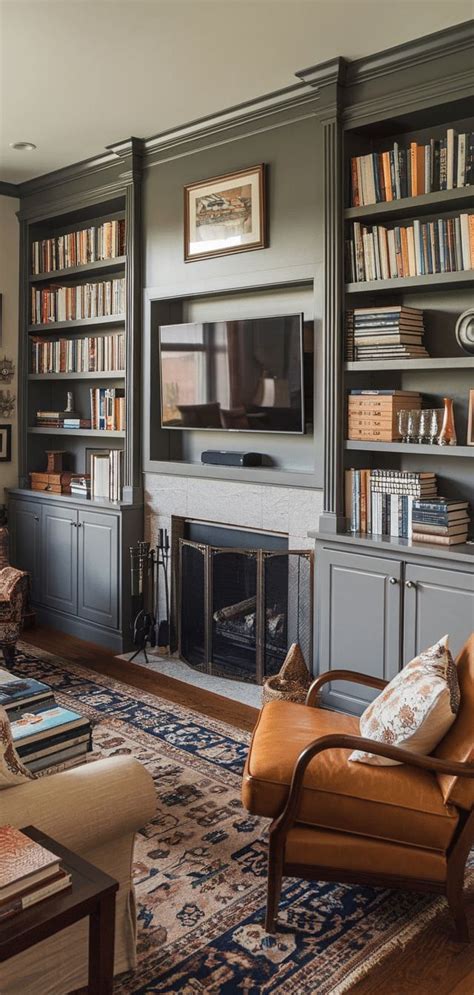
Custom built-ins maximize vertical space while adding architectural character and significant home value. Framing a brick fireplace or a main entertainment wall with floor-to-ceiling built-in bookcases creates a cohesive, high-end look often seen in transitional and craftsman-style homes. This approach unifies disparate elements like electronics, book collections, and decorative objects into a single architectural statement.
To maintain visual breathing room within a massive built-in unit, incorporate a mix of open display cubbies and closed lower cabinetry. Lower cabinets provide a practical spot to conceal board games, extra throw blankets, and charging cables, keeping the living room tidy. Stylists recommend painting the back panels of the bookshelves a contrasting or slightly darker shade to add depth and make your curated decor pop.
3. Vertical Corner and Ladder Shelves for Small-Space Optimization
Unused corners often represent wasted square footage in typical apartment living rooms. Vertical corner shelves and leaning ladder units utilize these neglected zones efficiently, drawing the eye upward and making the room feel taller. Because they occupy a minimal footprint, ladder shelves offer an ideal compromise for renters who want display space without committing to permanent wall installations.
When choosing a ladder shelf for a small layout, look for stable designs that include anti-tip kits for safety. Style the lower rungs with heavier storage baskets to anchor the visual weight of the piece, reserving the upper tiers for lighter items like glassware or small sculptures. This descending weight distribution prevents the tall unit from looking top-heavy or unstable in high-traffic areas.
4. Industrial Pipe and Repurposed Wood Shelving
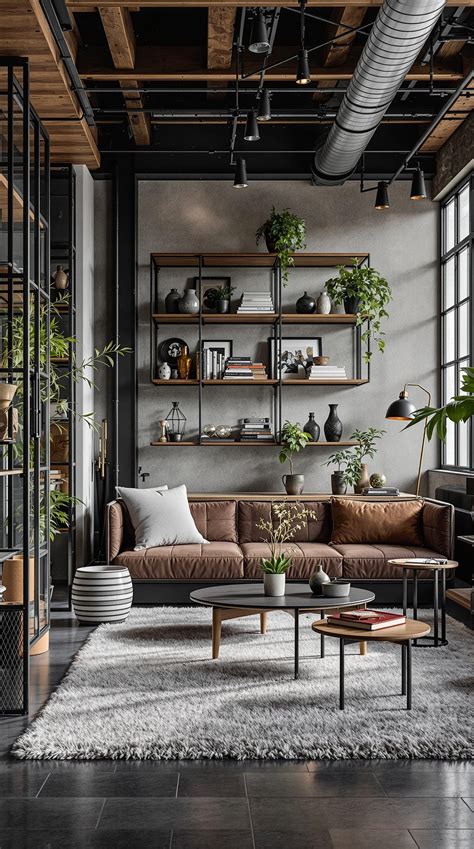
For homes embracing rustic, industrial, or urban loft aesthetics, combining reclaimed wood planks with black iron plumbing pipes creates durable and visually striking wall shelving. This style introduces rich textures and organic warmth to neutral living rooms, serving as a conversation piece while holding substantial weight.
Building your own pipe shelving allows for complete customization regarding length and tier count. Ensure that the floor flanges or wall mounting plates are securely screwed into solid wood blocking or wall studs to support the heavy metal framing. Pair these rugged shelves with soft textures like linen window treatments and woven rugs to balance the industrial edge with cozy comfort.
5. Modular Cube Units and Renter-Friendly Solutions
Renters face the ongoing challenge of personalizing a space without violating lease agreements or leaving massive holes in the walls. Modular cube storage systems offer incredible flexibility, acting as room dividers, console tables, or media stands while providing uniform cubbies for decorative bins and woven baskets.
To elevate basic modular cubes, mount them horizontally along a wall using damage-free heavy-duty mounting strips for lightweight decor, or anchor freestanding units securely to the wall studs to prevent accidental tipping. Fill half of the cubes with closed fabric storage boxes to hide miscellaneous clutter, and leave the remaining cubes open for books, candles, and sculptural objects.
Frequently Asked Questions
What are the best shelving ideas for small living rooms?
Vertical ladder shelves, corner units, and floating shelves are ideal for small living rooms because they utilize vertical wall space without crowding the floor area. Keeping furniture footprints small and incorporating multi-functional storage helps maintain an open, airy environment.
How can I style living room shelves without making them look cluttered?
Use the rule of thirds and create varied groupings by mixing heights, textures, and object types. Leave some negative space empty on each shelf to let the display breathe, and use matching storage baskets or bins to corral small items out of sight.
Are floating shelves sturdy enough to hold heavy books?
Floating shelves can hold heavy books only if they feature robust internal steel frames and are screwed directly into wall studs. Standard drywall anchors will fail under the heavy weight of large book collections.
How do I choose between built-in shelving and modular units?
Choose built-in shelving if you own your home, plan to stay long-term, and want a permanent, high-end architectural finish. Choose modular units if you are a renter, prefer flexibility to rearrange your layout, or want a budget-friendly DIY project.


