Designing a living room that feels genuinely welcoming requires balancing personal style with the physical limitations of your space. Whether you are bound by a strict apartment lease or have the freedom to knock down walls in a suburban house, refreshing your primary gathering space comes down to smart layering, strategic furniture placement, and thoughtful color choices. The following curated concepts provide actionable inspiration tailored to American homes of all sizes and architectural backgrounds.
Renter-Friendly Upgrades with Maximum Impact
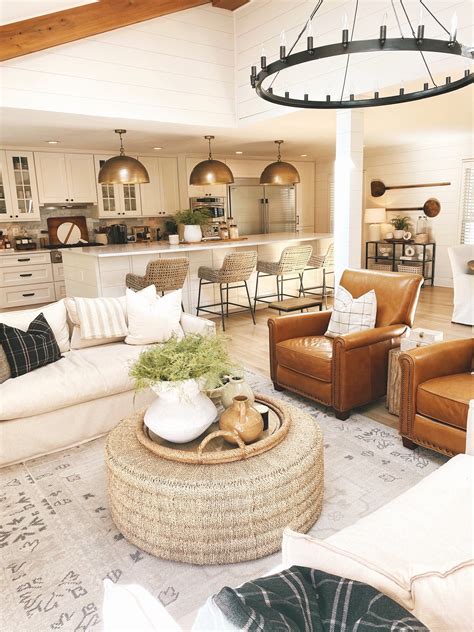
When you do not own your home, making permanent changes is rarely an option, but that does not mean you have to settle for a sterile, builder-grade environment. Temporary design interventions allow renters to customize their spaces completely without risking their security deposits. From non-damaging hardware swaps to peel-and-stick applications, these adjustments deliver high-end visual results with zero long-term commitment.
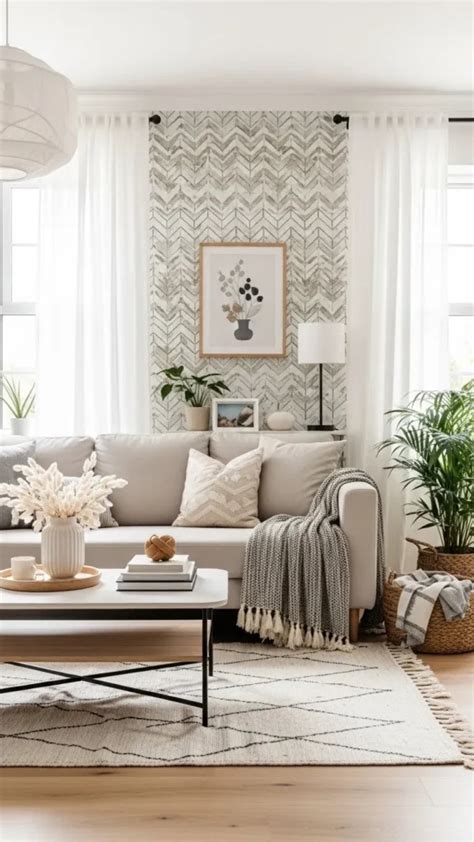
Consider swapping out standard overhead dome fixtures for plug-in wall sconces or stylish floor lamps that cast a warm, directional glow. Standard rental lighting is often harsh and unflattering, whereas layered illumination instantly creates coziness. Additionally, temporary peel-and-stick wallpaper applied to a single accent wall can completely redefine the mood of the room without requiring messy paint removal when moving day arrives.
Homeowner-Focused Architectural Details
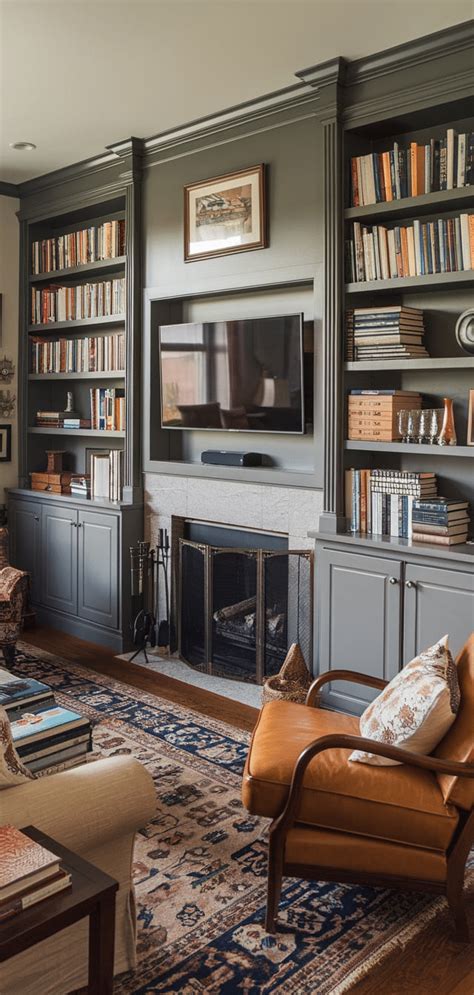
Homeowners ready to invest in permanent structural enhancements have a wonderful opportunity to build character into standard drywall construction. Adding custom millwork, such as board-and-batten wainscoting or ceiling beams, introduces immediate architectural depth. These permanent additions anchor the room and provide a classic backdrop for both modern and traditional furniture arrangements.
Built-in shelving units flanking a fireplace or occupying an awkward nook offer both aesthetic appeal and practical storage solutions. While custom carpentry requires a larger upfront budget, it fundamentally transforms the spatial layout and increases long-term home value. Balancing these heavier wooden elements with lighter textiles prevents the room from feeling overly heavy or dated.
Optimizing Small Living Room Layouts
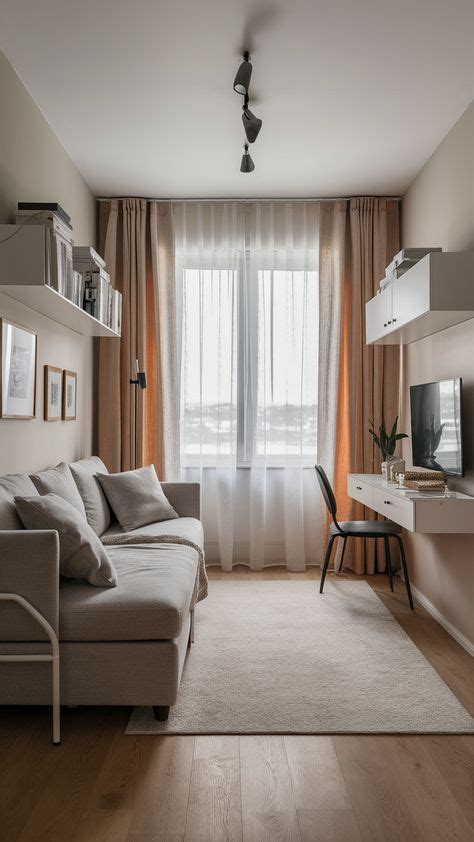
Compact American living rooms often present spatial challenges, particularly in urban apartments or historic homes. The secret to maximizing a small footprint lies in choosing multi-functional furniture and keeping sightlines open. Avoid pushing every single piece of furniture directly against the walls; instead, floating a compact sofa slightly forward can actually make a tight room feel surprisingly expansive.
Utilize vertical space by mounting floating shelves high up on walls to draw the eye upward and keep clutter off the floor. Mirrors placed opposite windows will bounce natural daylight around the room, making dark corners feel bright and open. Selecting furniture with exposed legs, such as mid-century modern armchairs, creates an airy feel because light can flow underneath the pieces rather than being blocked entirely.
Curating Color Palettes and Textures
A cohesive color palette establishes the emotional tone of your living room. Grounding the space with neutral large-scale pieces like a beige or charcoal sofa gives you the freedom to introduce seasonal accent colors through pillows, throws, and small decor items. This strategy keeps your design flexible and prevents visual fatigue over time.
Texture plays an equally vital role in preventing neutral spaces from feeling flat or sterile. Combine smooth leather elements with tactile materials like chunky knit blankets, woven jute rugs, and ceramic vases. Layering these disparate textures creates a rich, lived-in atmosphere that feels thoughtfully curated rather than like a generic furniture showroom.
Frequently Asked Questions
How can I update my living room without damaging walls?
You can easily update your living room without damaging walls by using heavy-duty adhesive command strips for lightweight art, tension rods for window treatments, peel-and-stick wallpaper for accent walls, and plug-in wall sconces that require no hardwiring.
What is the best way to make a small living room look bigger?
To make a compact living room appear larger, choose furniture with exposed legs to maintain visible floor space, hang mirrors opposite windows to reflect natural light, and keep window treatments light and airy rather than heavy and dark.
How do I balance style between rented apartments and owned homes?
The core principles of good design—scale, lighting, texture, and color balance—apply universally. Renters achieve these through temporary textiles, furniture, and lighting, while homeowners can also integrate permanent architectural changes like built-ins and moldings.


