Few furniture investments offer the unique combination of durability, tactile warmth, and enduring visual appeal quite like a well-crafted leather sofa or matching armchair. While fabric upholstery cycles through endless color trends and pattern revivals, quality leather furniture occupies a special place in interior design because it actually improves with age. As natural oils from daily use settle into the hide, the material develops a rich patina that tells a story, making each piece entirely unique to your home environment.
For American homeowners and renters alike, choosing leather is often a practical decision grounded in longevity as much as an aesthetic choice. However, navigating the market requires understanding key distinctions in leather grades, silhouette history, and spatial proportions. Whether you are outfitting a compact urban apartment or anchoring an expansive suburban family room, selecting the right piece involves balancing structural integrity, tactile preference, and everyday lifestyle realities.
Understanding Leather Grades and Long-Term Durability
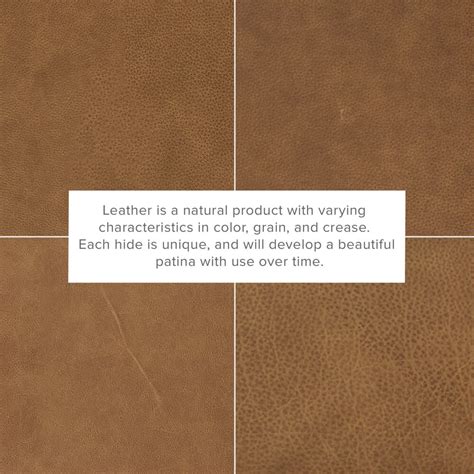
When shopping for timeless leather sofas and chairs, the single most critical factor influencing longevity and cost is the grade of the hide. Full-grain leather represents the highest quality available on the market. Retaining the entire original grain surface of the hide, it showcases natural markings like healed scratches and subtle grain variations. Because the surface is not sanded or buffed, full-grain leather breathes exceptionally well, feels remarkably supple, and develops the most striking patina over decades of use.
Top-grain leather is another excellent option, frequently chosen for its balance of refined appearance and resilience. During processing, the outermost layer is lightly sanded to remove minor imperfections, and a faux grain is often stamped onto the surface. This treatment creates a more uniform appearance and makes the leather slightly more resistant to stains, which can be particularly advantageous in busy households with children or pets. By contrast, corrected-grain and bonded leathers undergo heavy processing or utilize leftover leather scraps bonded together with adhesives, resulting in a much shorter lifespan and a susceptibility to peeling over time.
Selecting Classic Silhouettes That Stand the Test of Time
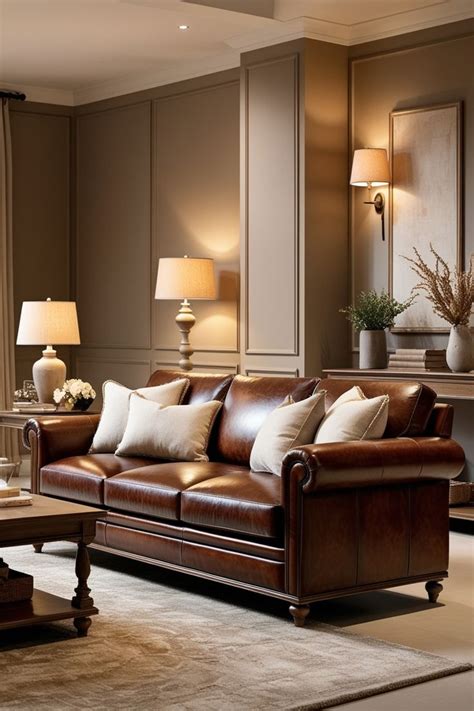
Furniture silhouettes fluctuate wildly with micro-trends, but certain classic designs have remained relevant for over a century due to their harmonious proportions and functional comfort. The Chesterfield sofa, instantly recognizable by its deep button tufting and rolled arms that match the height of the back, brings an air of traditional sophistication and structured formality to a living room.
For a softer, more relaxed aesthetic, the English roll arm sofa offers a tailored yet inviting profile with recessed arms and plush seat cushions. Alternatively, Mid-Century Modern leather lounge chairs feature clean lines, exposed wood frames, and streamlined profiles that fit effortlessly into smaller footprints. Choosing one of these enduring shapes ensures your furniture will not look dated when interior design trends shift toward new color palettes or accent themes.
Scaling Leather Seating for Different Living Spaces
Proportion is crucial when incorporating substantial leather furniture into an American living space, particularly when balancing bulk against room dimensions. In smaller urban apartments or cozy bungalow living rooms, a massive, overstuffed sectional can easily overwhelm the floor plan and restrict natural walking paths. Instead, pairing a streamlined apartment-sized leather sofa with a slender accent chair maximizes seating capacity without crowding the room.
Conversely, large open-concept family rooms often demand substantial anchor pieces to define functional zones. A deep leather sofa paired with two matching armchairs can anchor a conversation area in the center of a large room, floating away from walls to create an intimate gathering space. When measuring your room, always account for the visual weight of leather; dark brown or black hides naturally command more attention and feel heavier in a space than lighter caramel or tan tones.
Styling Leather Furniture with Textures and Warmth
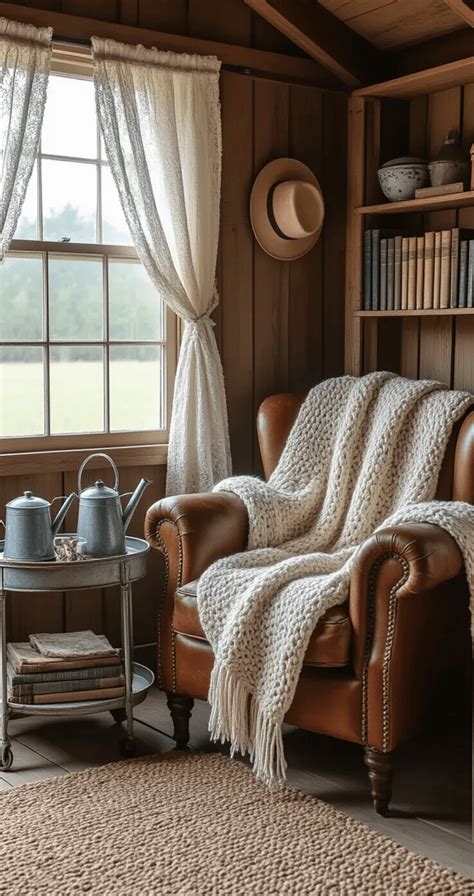
One common concern among homeowners is that leather furniture can feel cold, stiff, or overly corporate if it is not styled thoughtfully. The secret to creating a warm, inviting living space lies in layering contrasting textures around your leather sofa and chairs. Introduce soft, tactile elements such as chunky wool throw blankets, woven linen pillows, and textured cotton rugs to soften the sleek surface of the leather.
Incorporating natural wood elements, such as a reclaimed coffee table, oak bookshelves, or exposed structural beams, helps ground the shiny finish of finished hides and brings organic warmth to the entire room. Plants, ambient layered lighting, and fabric window treatments further balance the environment, ensuring your leather seating feels deeply integrated into a cozy, lived-in home rather than a sterile furniture showroom.
Essential Care and Maintenance for Lasting Beauty
Maintaining a leather sofa or chair requires a simple, consistent routine to preserve its natural moisture and prevent cracking. Unlike fabric upholstery that traps dust deep within foam cores, leather surfaces sit exposed, making regular dusting with a soft, dry microfiber cloth essential for removing everyday abrasive particles.
Every six to twelve months, applying a specialized leather conditioner helps replenish natural oils and keeps the hide supple, especially in homes subjected to dry winter heating or intense direct sunlight. Always position leather furniture a safe distance from heating vents and fireplaces, as excessive dry heat will cause the hide to dry out and split prematurely over the years.
Frequently Asked Questions
What makes a leather sofa or chair truly timeless?
A timeless leather piece combines classic architectural silhouettes—such as a Chesterfield or English roll arm—with high-quality, uncorrected or lightly corrected hides that age gracefully by developing a rich patina over decades of use.
How do I choose the best type of leather for pets, kids, and high-traffic areas?
Top-grain leather is often the most practical choice for busy households because it features a treated surface that resists minor stains and scratches better than untreated full-grain hide, while still offering excellent durability.
What leather color works best for a small American living room?
Lighter caramel, tan, or cognac leather shades reflect more light and have a lighter visual weight, making them ideal for opening up compact living rooms compared to heavy black or dark espresso hides.
How can I style a brown or black leather sofa so it doesn’t look too cold or sterile?
You can warm up leather seating by layering tactile textiles like wool blankets, linen pillows, and area rugs, alongside natural wood accents, ambient lighting, and house plants to create a cozy, balanced atmosphere.
How do I maintain and condition leather furniture over the years?
Dust your leather furniture regularly with a dry cloth and apply a specialized leather conditioner every six to twelve months to maintain moisture balance, protect against cracking, and preserve its natural suppleness.


