For American homeowners and renters seeking an alternative to mass-produced, flat-pack furniture, Jakarta living room sets offer a compelling blend of heritage craftsmanship and organic luxury. Sourcing statement furniture from Indonesian artisans introduces rich textures, deep wood grains, and centuries-old carving traditions into standard suburban or urban living spaces. When you choose an imported set featuring sustainably harvested teak or hand-woven rattan, you are not merely filling an empty room; you are investing in a focal point with a distinct cultural story.
Integrating global pieces into American interiors requires a thoughtful approach to scale, balance, and color palettes. Because many US living rooms feature neutral drywall, standard carpet, or open-plan layouts, a handcrafted Jakarta coffee table, media console, or seating arrangement instantly grounds the space. By understanding the signature materials, construction techniques, and shipping practicalties, you can successfully curate an inviting, conversation-starting room that stands apart from conventional catalog designs.
Signature Materials of Jakarta Craftsmanship
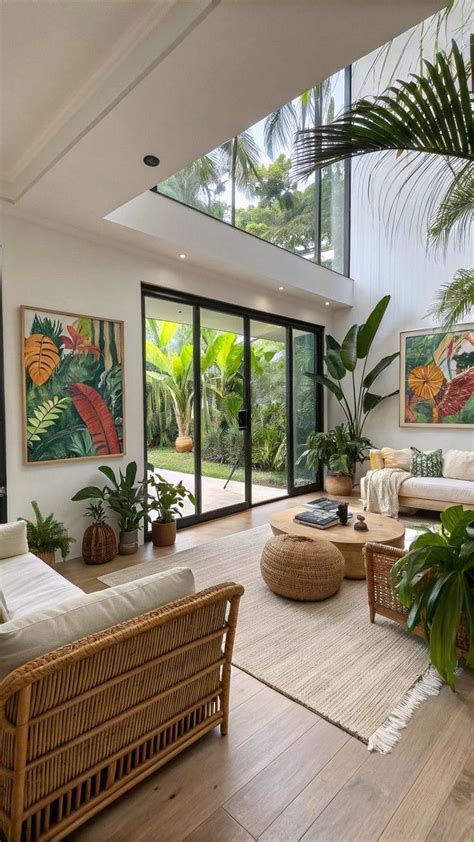
The distinct character of Jakarta living room furniture stems directly from the exceptional natural materials native to the region. Indonesian teak, mahogany, and mindi wood are prized globally for their structural density, rich natural oils, and striking grain patterns. Unlike fast-growing softwoods, mature tropical hardwoods resist warping and weathering, making them remarkably durable centerpieces for busy family rooms across the United States. Artisans in Jakarta utilize these woods to create everything from sleek, low-profile modern frames to heavily detailed traditional seating.
In addition to solid hardwoods, natural plant fibers such as rattan, water hyacinth, and bamboo play a foundational role in Indonesian furniture design. Weaving techniques passed down through generations transform these flexible fibers into airy lounge chairs, side tables, and accent screens. This tactile diversity allows US decor enthusiasts to layer textures effectively, contrasting smooth hardwood surfaces against the organic weave of natural rattan to achieve a relaxed yet sophisticated resort-style aesthetic.
Popular Living Room Set Styles for US Interiors
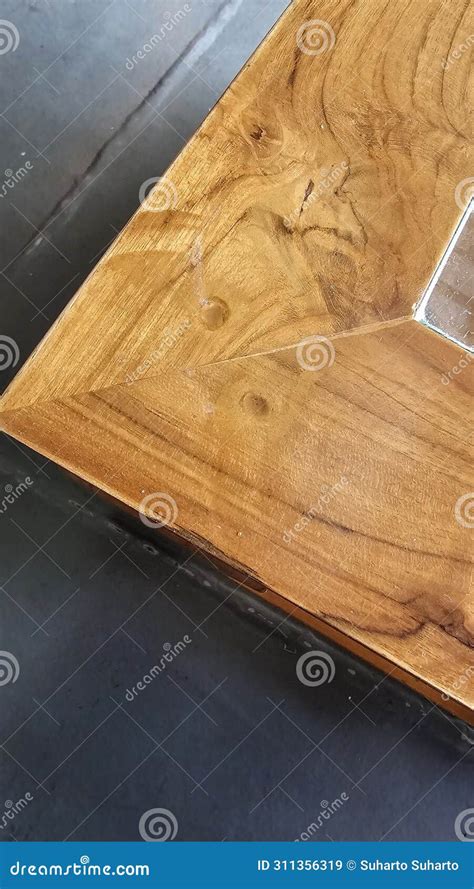
When exploring options originating from Jakarta, buyers generally encounter three distinct design expressions that translate well to American homes. The modern tropical style emphasizes clean geometric lines paired with open-slat detailing, allowing light to flow through smaller urban apartments. Meanwhile, transitional Jakarta sets bridge the gap between traditional carving and contemporary minimalism, utilizing muted wood finishes and streamlined silhouettes that complement transitional or mid-century modern upholstery already common in US households.
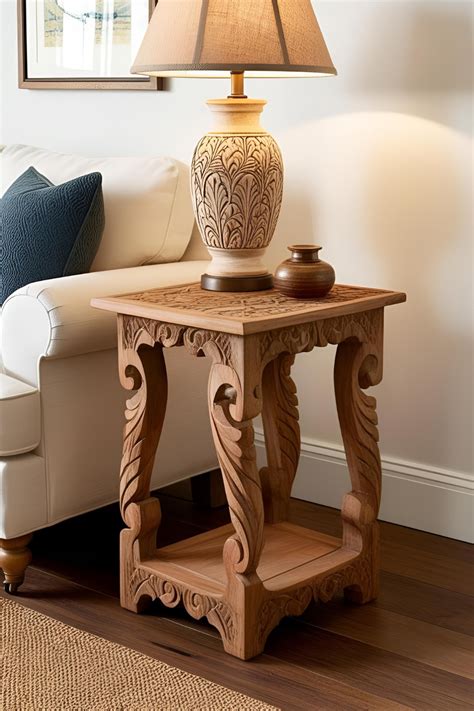
For those drawn to ornate, heirloom-quality aesthetics, heritage-carved sets showcase elaborate floral and geometric motifs hand-chiseled by master woodworkers. Placing a heavily detailed coffee table or accent cabinet against a neutral backdrop creates a powerful focal point without overwhelming the room. The trade-off with heavily carved pieces is spatial presence; they demand breathing room and thoughtful lighting to highlight the depth of the artisan’s handiwork properly.
Sourcing, Shipping, and Caring for Imported Furniture
Purchasing furniture directly from international hubs requires careful attention to logistics, legal timber standards, and long-term maintenance. Reputable exporters in Jakarta operate under strict legal timber certification frameworks, such as Indonesia’s SVLK system, which verifies that the wood is legally harvested and traceable. When ordering furniture to be shipped to the United States, buyers must account for ocean freight transit times, port customs clearance, and crating fees, which can add several weeks and notable costs compared to domestic retail purchases.
Once your Jakarta living room set arrives in your home, proper environmental care ensures it withstands the distinct climate variations found across North America. Central heating and air conditioning in US homes can dry out indoor air significantly during winter months, making it wise to condition solid teak and mahogany surfaces with natural oils periodically. Protecting wood furniture from direct, harsh sunlight prevents the natural golden-brown hues from fading unevenly, preserving the rich artisanal finish for decades to come.
Frequently Asked Questions
What makes Jakarta living room furniture different from typical US retail brands?
Jakarta furniture is defined by traditional Indonesian woodworking techniques, hand-carved detailing, and the use of dense tropical hardwoods like solid teak and sustainable mindi wood. Rather than relying on synthetic veneers or automated assembly lines, many pieces involve significant hand craftsmanship, resulting in unique variations in wood grain and texture that offer authentic character.
How do I mix heavily carved Indonesian furniture with modern American decor?
The key is balance and restraint. If you feature an intricately carved Jakarta coffee table or media cabinet, pair it with clean-lined, neutral upholstery like a simple linen sofa or minimalist accent chairs. Keeping surrounding walls and floors uncluttered allows the artisanal wooden pieces to stand out as intentional artistic focal points rather than cluttering the space.
Is Indonesian teak furniture durable enough for everyday family use?
Yes, Indonesian teak is exceptionally durable due to its high natural rubber and oil content, which makes it naturally resistant to moisture, pests, and everyday wear and tear. With basic routine maintenance, such as occasional cleaning with a damp cloth and mild soap, solid teak living room sets easily withstand daily family life in busy American households.
What should I know about importing furniture from Jakarta to the United States?
Importing furniture involves evaluating ocean freight shipping costs, customs clearance procedures, and delivery timelines that typically span several weeks or months. It is essential to work with transparent exporters who verify sustainable timber sourcing and provide secure crating to ensure your pieces arrive safely at your US residence.


