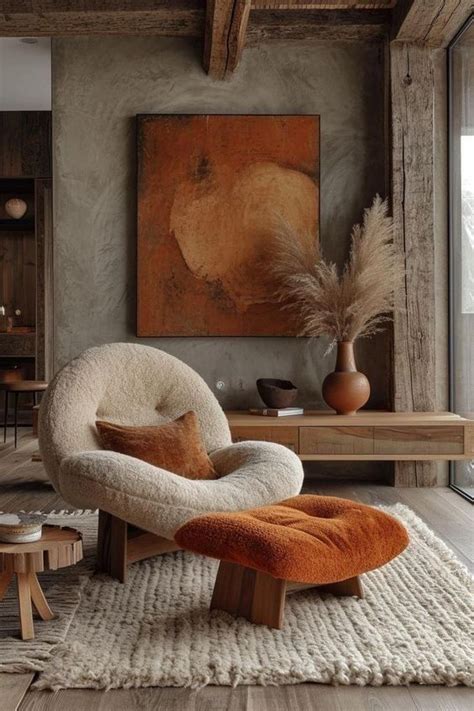
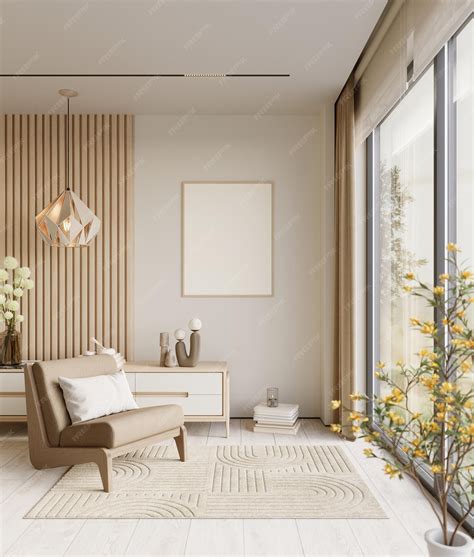
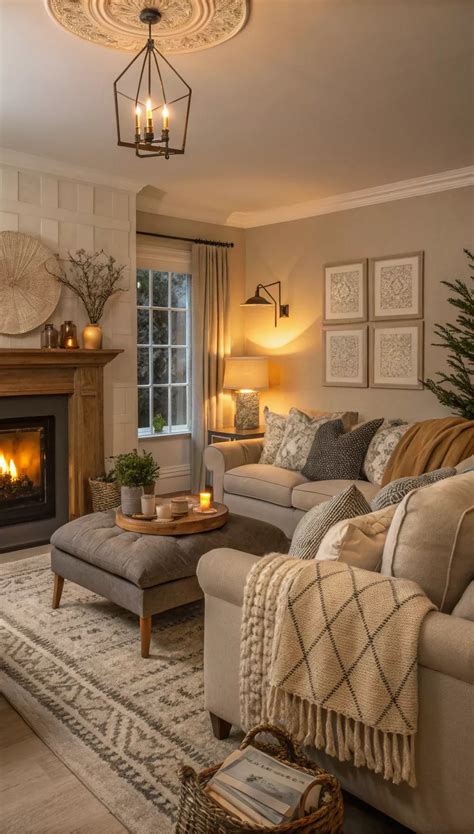
Decorating a compact living room in a U.S. apartment or urban condo often feels like solving a complex geometric puzzle. Between awkward architectural layouts, limited square footage, and strict rental lease agreements, making a small space feel both inviting and functional requires deliberate design choices. The key is to shift the mindset from what is missing to how every square inch can work harder.
By prioritizing scale, embracing vertical architecture, and choosing versatile home furnishings, you can transform a cramped sitting area into a curated sanctuary. Whether you are settling into a newly rented studio or refreshing a modest suburban townhome, these practical strategies deliver maximum style without overwhelming your floor plan.
Embrace Multifunctional and Modular Furniture
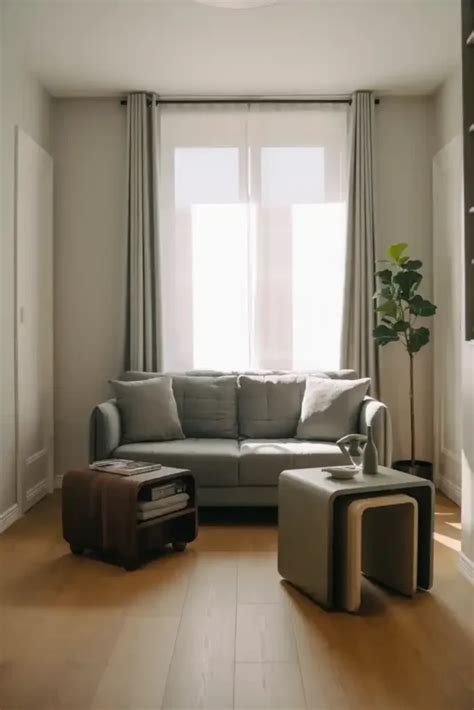
In a tight living space, every single piece of furniture needs to justify its footprint. Traditional bulky sectionals and oversized coffee tables can quickly consume a room, leaving little space to move around. Instead, look toward modular sectionals with reversible chaises or apartment-sized sofas that feature exposed wooden legs, which create an optical illusion of air underneath the seating.
Multifunctional items take the pressure off your storage constraints. Consider investing in an ottoman with hidden interior storage compartments for extra throw blankets and board games, or a lift-top coffee table that easily converts into a temporary dining or laptop workspace. When furniture serves dual purposes, clutter naturally diminishes, keeping your living room streamlined and ready for daily life.
Play with Optical Illusions: Light, Color, and Scale

When square footage cannot be expanded physically, interior designers rely on visual tricks to trick the eye into perceiving a more expansive environment. Sticking to a cohesive, light-reflecting color palette—such as warm whites, soft grays, or subtle earth tones—helps bounce natural sunlight around the room. Monochromatic schemes reduce visual friction, making boundaries blur and walls feel farther apart.
Strategic placement of mirrors is another timeless method to amplify light and depth. Placing a large, floor-length mirror opposite a window captures incoming daylight and immediately doubles the visual field of the room. Additionally, pay close attention to rug proportions: a common mistake in small apartments is using an undersized accent rug that floats in the center, which visually shrinks the floor. Choose a rug large enough so that the front legs of your seating furniture comfortably rest on it, anchoring the layout gracefully.
Maximize Vertical Real Estate
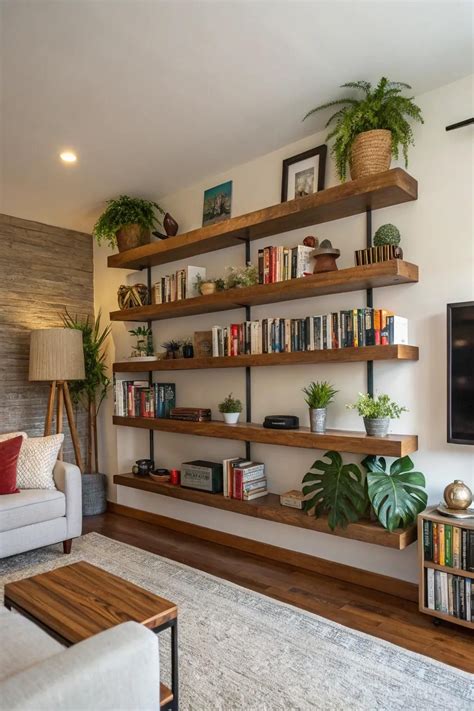
When floor space is at an absolute premium, look upward. Walls represent an enormous amount of untapped storage and styling potential that many apartment dwellers overlook. Installing floating shelves near the ceiling allows you to display books, trailing plants, and curated ceramics without sacrificing precious walking paths below.
Tall, slender bookcases or wall-mounted media consoles draw the eye upward toward the ceiling line, emphasizing vertical height rather than horizontal limits. For renters concerned about wall damage, tension-rod shelving units or heavy-duty leaning bookcases offer robust vertical organization without requiring permanent drilling into drywall, preserving your security deposit while keeping your floors blissfully clear.
Define Zones in Open-Concept Apartments
Many modern U.S. apartments feature open-plan living spaces where the kitchen, dining, and living areas bleed into one another. Without walls to separate these functions, rooms can easily look chaotic or disorganized. Creating intentional zones helps establish order and purpose within a single unified room.
You can delineate your living room seating area simply by floating your sofa away from the walls and placing a distinct area rug underneath it. A slim console table placed directly behind the sofa back can act as an invisible divider between a makeshift entryway and the lounge space. By defining these boundaries, each micro-zone feels deliberate and cozy rather than swallowed up by an expansive, undefined floor plan.
Renter-Friendly Upgrades with Maximum Impact
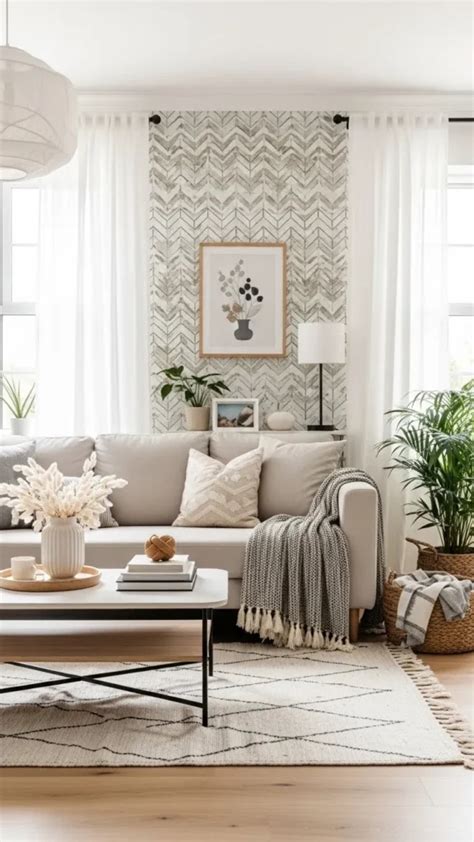
Living in a rental property does not mean you have to settle for sterile white walls and lifeless interiors. Numerous non-permanent decor solutions allow you to inject personality and warmth into your apartment living room without violating your lease. Peel-and-stick wallpaper is a fantastic medium for creating a dramatic accent wall behind your television or seating arrangement.
Swap out generic builder-grade flush-mount lighting fixtures for plug-in wall sconces or stylish arc floor lamps that can be taken with you when you move. Layering varied lighting sources—such as table lamps, dimmable floor lamps, and warm amber bulbs—creates a soft, high-end atmosphere that instantly elevates the entire room, masking any architectural shortcomings of a standard rental unit.
Frequently Asked Questions
How can I make a tiny apartment living room look bigger?
To make a small living room feel larger, prioritize a light and cohesive color palette, use large mirrors to reflect natural light, choose furniture with exposed legs to create a sense of airiness, and ensure your area rug is large enough to anchor the seating group properly.
What are the best multi-functional furniture items for small spaces?
Top multi-functional choices include storage ottomans, lift-top coffee tables that double as desks, nesting tables that can be tucked away when not in use, and modular sofas that adapt to shifting layout needs.
How do I arrange furniture in a narrow or awkward living room layout?
In narrow spaces, avoid pushing all furniture strictly against the walls. Float a compact sofa slightly forward, use a pair of lightweight accent chairs instead of a massive second couch, and keep primary pathways unobstructed to maintain a natural flow of movement.
How can renters decorate a small living room without losing their security deposit?
Renters can use removable peel-and-stick wallpaper, plug-in wall sconces, tension-rod shelving, and command-strip gallery walls to personalize their space without causing permanent damage to walls or electrical wiring.