Interior design forecasting offers a fascinating glimpse into how we want our living spaces to feel, function, and support our daily routines. Rather than forcing dramatic overhauls, upcoming professional recommendations for American living rooms focus on comfort, emotional grounding, and enduring materials. Designers across the United States emphasize spaces that balance sophisticated aesthetics with everyday practicality, ensuring that style never compromises livability.
For homeowners planning a renovation or renters looking to refresh a shared apartment, understanding these forward-looking directions helps filter out fleeting gimmicks. The core philosophy centers on creating personalized sanctuaries that adapt smoothly to changing household needs, remote work demands, and casual entertaining. Here is a closer look at the key design directions shaping modern American living spaces.
Embracing Earth-Inspired and Grounded Color Palettes
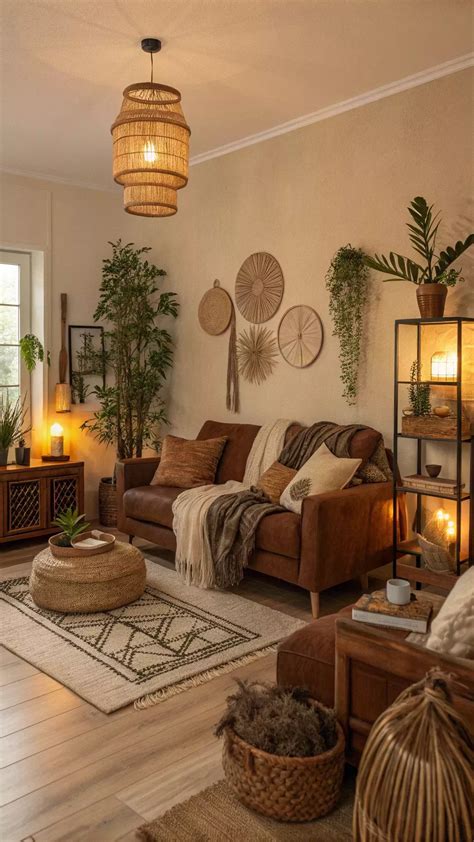
Monochromatic grey rooms and stark white minimalism are steadily giving way to rich, warm, and deeply comforting color stories. Professional designers note a strong shift toward terracotta, muted olive greens, warm clay tones, and soft butter yellows that bring organic warmth indoors. These hues perform exceptionally well in typical American suburban and urban floor plans, bouncing natural light around while establishing a cozy atmosphere.
Instead of painting every wall a dramatic shade, many designers suggest introducing these grounded tones through limewash finishes, textured wallpaper, or rich upholstery fabrics. Homeowners can commit to statement walls or painted built-in shelving, while renters can easily achieve the same depth through oversized canvas art, linen drapery, and saturated accent cushions. This layered approach ensures the space feels intentional rather than overwhelmingly trendy.
Prioritizing Tactile Textures and Organic Materials
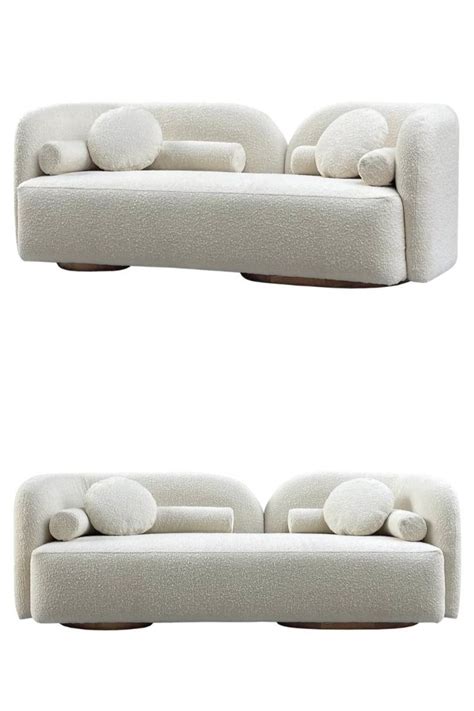
Material selection has become just as important as color when defining the mood of a room. Natural woods with visible grain, unlacquered brass hardware, hand-knotted wool rugs, and heavy bouclé or corduroy upholstery dominate current professional recommendations. These materials invite touch, creating sensory richness that makes a living room feel established and inviting.
When mixing these elements in a U.S. home, balance remains key. Pairing a sleek, modern sofa with a rugged reclaimed wood coffee table prevents the room from feeling like a rigid showroom. For budget-conscious decorators, incorporating smaller decor items like travertine trays, ceramic vases, and woven baskets allows you to test out these tactile finishes without replacing major furniture investments.
Integrating Multifunctional Layouts for Flexible Living
American living rooms rarely serve just one purpose anymore. They act as home offices, homework stations, media centers, and casual hosting spots all in one. Designers are responding by prioritizing versatile furniture configurations that can shift seamlessly from daytime productivity to evening relaxation.
Modular sectionals, nesting tables, and lightweight accent chairs that can be easily repositioned are central to this movement. Rather than pushing all seating flat against the perimeter walls, designers recommend floating furniture arrangements around a central anchor rug to create distinct zones. Renters can use modular furniture pieces that adapt to future floor plans, ensuring their investment travels well with every move.
Layered Lighting Strategies for Mood and Function
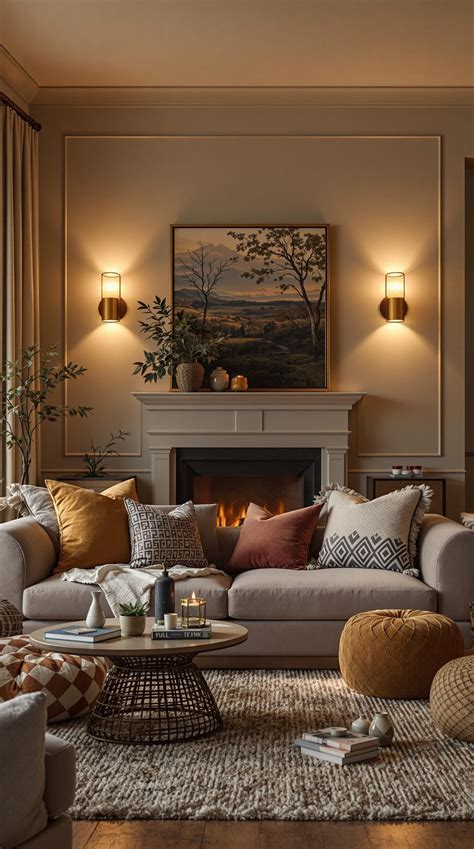
Overhead flush-mount lighting is increasingly taking a backseat to multi-tiered lighting schemes that prioritize warmth and architectural highlight. Designers advocate for combining floor lamps, sculptural table lamps, wall sconces, and picture lights to build a soft, flattering ambiance at eye level.
Dimmers have become an essential inclusion in modern living room planning, allowing residents to shift the mood instantly from bright task lighting to a subdued, relaxing glow. For renters unwilling to hardwire new fixtures, plug-in wall sconces and rechargeable cordless lamps offer a clever workaround that delivers the exact same designer aesthetic.
Sustainable and Longevity-Focused Design Choices
Sustainability is no longer a niche preference; it is a foundational pillar of modern interior design. Homeowners are increasingly investing in heirloom-quality pieces crafted from responsibly sourced timber, non-toxic finishes, and durable textiles designed to withstand decades of daily use rather than a couple of seasons.
This mindset encourages a slower, more thoughtful approach to decorating. Instead of buying inexpensive, disposable decor items, designers recommend curating a room over time with vintage finds, antique brass accents, and certified organic fabrics. This reduces environmental impact while giving the living room a unique, collected-over-time character that mass-produced catalogs simply cannot replicate.
Frequently Asked Questions
What are the biggest living room design trends to watch?
The foremost trends focus on warm earth-toned color palettes, tactile natural materials like wood and stone, multifunctional furniture layouts, and layered, dimmable lighting schemes that prioritize comfort and adaptability.
How can renters incorporate these design trends without making permanent changes?
Renters can easily adopt these concepts through textiles, moveable furniture, plug-in wall sconces, peel-and-stick accent panels, and curated decor objects like ceramics, trays, and linen drapery that do not alter the physical structure of the space.
Are neutral colors completely out of style for living rooms?
Neutrals remain foundational, but sterile cool greys and stark whites are being replaced by warmer, organic neutrals such as oatmeal, clay, cream, and soft taupe to create more inviting and livable environments.
How do I make my living room layout more versatile for daily activities?
Focus on floating your seating arrangements away from the walls, incorporating modular furniture, and using nesting tables or versatile storage pieces that can easily adapt whether you are working, relaxing, or hosting guests.


