When browsing through hundreds of design galleries for living room inspirations, it is easy to feel overwhelmed by endless aesthetics that may not suit everyday life in a typical American home. As we look toward 2026, interior design for U.S. spaces shifts away from sterile minimalism toward warm functionality, tactile comfort, and personal expression. Whether you are settling into a suburban single-family house or refreshing a compact urban apartment, bringing a fresh look to your main gathering space relies on balancing visual appeal with genuine usability.
Updating your home does not require knocking down walls or buying an entirely new suite of furniture. By focusing on intentional color shifts, flexible layouts, and layered textures, you can transform the atmosphere of your living room efficiently. Below, we break down the leading design directions for 2026, helping you navigate the vast sea of decor inspiration with a clear, practical strategy tailored for modern U.S. living.
2026 U.S. Living Room Color Trends
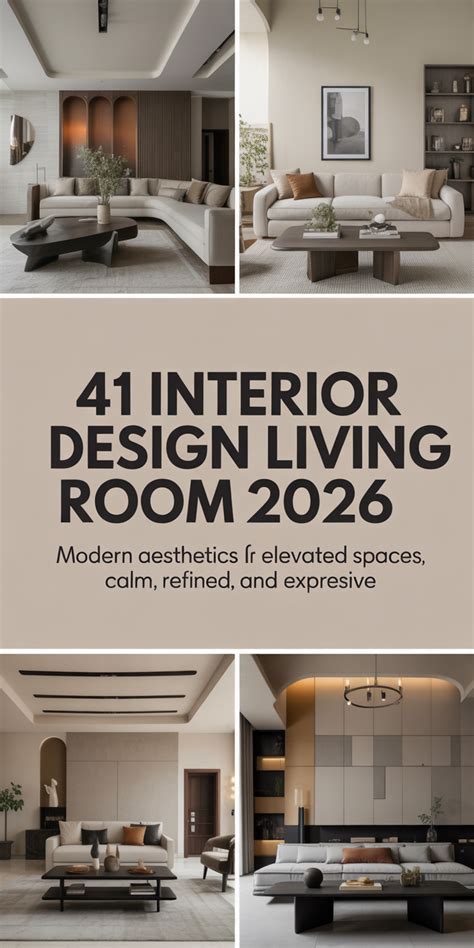
The color landscape for American living rooms in 2026 embraces grounding earth tones, rich muted jewel accents, and warm neutrals that replace stark grays with inviting warmth. Homeowners and renters alike are leaning toward hues that foster relaxation and connection, reflecting a collective desire for comforting home environments. Soft terracotta, muted olive greens, and buttery warm ivories are taking center stage on walls, textiles, and large furniture pieces.
When implementing these color palettes, consider how natural light interacts with your space throughout the day. North-facing U.S. living rooms benefit tremendously from warm buttercreams and golden undertones to counteract cooler shadows, while south-facing rooms can easily carry richer, deeper shades like forest green or deep bronze without feeling dark. The key trade-off when choosing bolder wall colors is maintaining flexibility; if you paint an entire room in a saturated shade, keep your larger furniture items neutral so you can easily switch out accent pillows and art as seasons change.
Sustainable and Eco-Friendly Materials
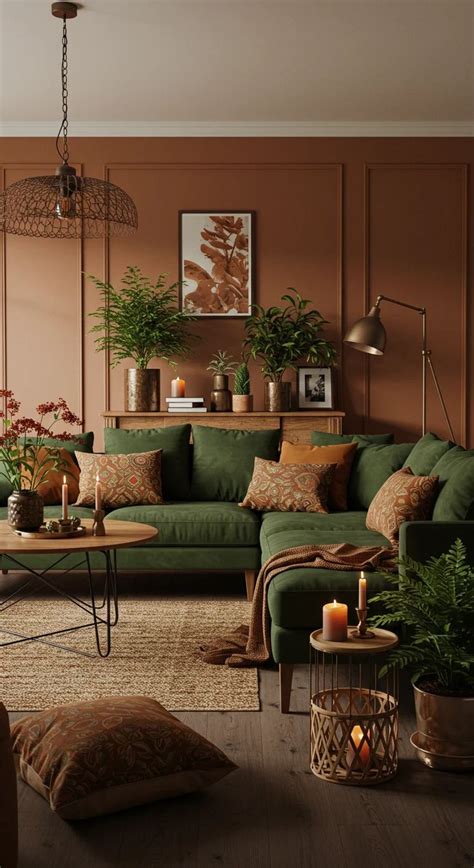
Conscious consumerism continues to shape interior design choices across the United States. In 2026, sustainable living room decor is no longer an alternative niche but a primary design pillar. Choosing materials with lower environmental impact means investing in furniture crafted from reclaimed wood, certified sustainably sourced timber, and organic textiles like linen, hemp, and heavy textured cotton.
Incorporating these elements adds an authentic, lived-in character that manufactured materials simply cannot replicate. Look for coffee tables made from salvaged architectural beams or accent chairs upholstered in durable, untreated natural fibers. While sustainable pieces can sometimes carry a higher upfront cost, their superior craftsmanship and timeless appeal ensure they withstand daily family use, reducing the need for frequent replacements and aligning your decor choices with long-term durability.
Multi-Functional Spaces for Modern Living
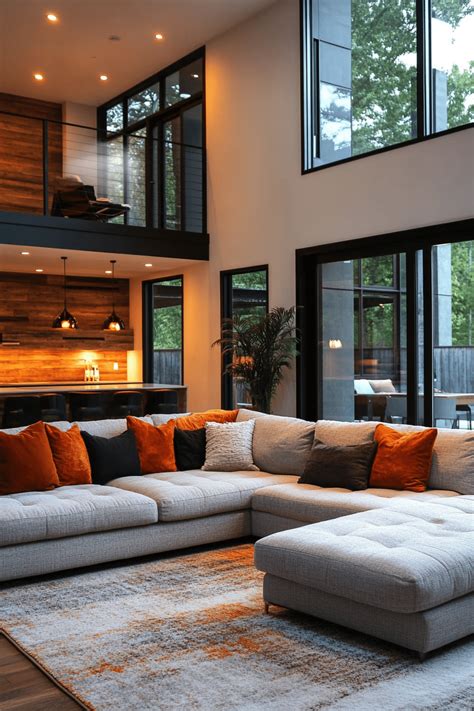
American floor plans increasingly demand versatility from the living room. With remote work remaining a staple for many households and open-concept layouts continuing to dominate modern homes, the living area often serves as a workspace, homework station, and relaxation hub all at once. Designing for multi-functionality in 2026 means integrating clever furniture choices that adapt instantly to your changing daily routines.
Consider introducing modular seating arrangements that can be reconfigured for hosting guests or streamlined for solo lounging. Discreet storage ottomans, nesting coffee tables, and console tables with built-in drop-down desks allow you to maintain a tidy, uncluttered aesthetic when work hours end. The primary design challenge in a multi-use room is visual boundary setting; use washable area rugs and targeted lighting zones to visually separate your relaxation area from any integrated productivity corners without cluttering the floor plan.
Renter-Friendly Living Room Transformations
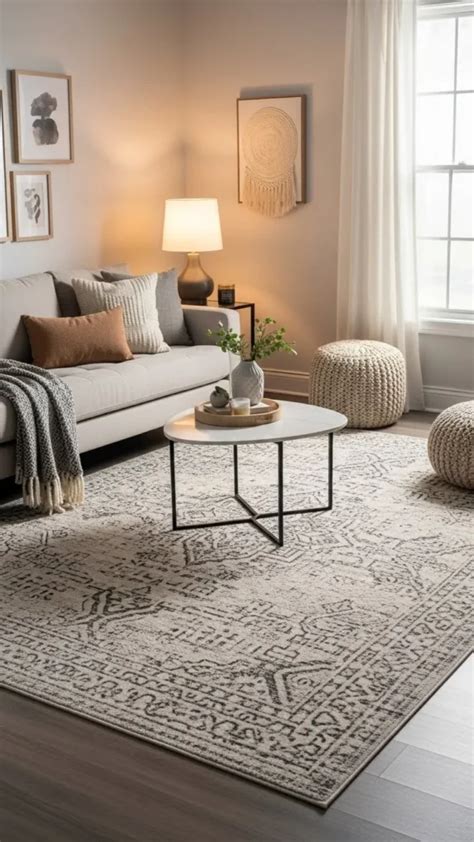
You do not need a deeded property to participate in fresh 2026 design trends. Renters across U.S. cities are finding creative, non-permanent ways to elevate their living rooms without risking their security deposits. Temporary upgrades have evolved far beyond basic peel-and-stick wallpaper, offering sophisticated solutions for rental homes that lack architectural character.
To achieve a high-end look without permanent alterations, focus on lighting, textiles, and surface-level styling. Swap out standard builder-grade flush-mount ceiling fixtures for plug-in statement sconces or stylish floor lamps that cast a warm, layered glow. Utilize heavy curtain panels hung close to the ceiling line to visually expand windows and hide plain vertical blinds. Freestanding bookshelves, peel-and-stick accent panels behind media consoles, and large-scale art hung with command hardware allow renters to stamp their personal style onto any space seamlessly.
Statement Furniture and Layout Ideas
The way we arrange furniture in 2026 moves away from pushing every sofa and armchair firmly against the perimeter walls. Instead, floating furniture arrangements create intimate conversation zones that encourage social interaction and make rooms feel more dynamic. Anchor your seating group with a generously sized area rug that extends at least a few inches beneath the front legs of your major furniture pieces.
When selecting statement furniture, choose pieces with organic, curved silhouettes that soften the boxy geometry common in modern construction. Rounded coffee tables, sculptural armchairs, and channel-tufted sofas introduce fluid movement into the room. Balancing these statement items with simpler, minimalist companion pieces prevents the space from feeling overcrowded, ensuring your living room remains visually breathable and easy to navigate.
Frequently Asked Questions
What are the primary color palettes for U.S. living rooms in 2026?
The dominant color palettes favor warm neutrals like buttercream and ivory, complemented by grounding earth tones such as soft terracotta, muted olive, and rich bronze. These shades create an inviting, calm atmosphere that moves away from sterile grays.
How can I update my living room layout without buying new furniture?
You can refresh your layout by pulling your furniture away from the walls to create a floating conversation area. Re-anchoring the space with a new area rug, swapping pillow covers, and shifting your lighting sources can dramatically change the room’s flow.
Are sustainable materials expensive to incorporate into living room decor?
While some certified sustainable furniture pieces carry a higher initial investment, there are many accessible ways to embrace sustainability, such as sourcing vintage or second-hand wood furniture, thrifted home accessories, and natural fiber textiles like cotton and linen.
What are some renter-friendly ways to modernize a living room?
Renters can modernize their spaces by using plug-in wall sconces, hanging statement artwork with renter-safe hardware, utilizing peel-and-stick wallpaper or accent panels, and layering textured rugs and throw blankets to cover generic flooring.


