Designing a living room that feels personal, polished, and functional often requires navigating a specific set of spatial and structural boundaries. Whether you are leasing an apartment with strict landlord guidelines or owning a home with room for long-term customization, the core challenge remains the same: creating a comfortable gathering space that reflects your lifestyle. American living rooms often feature open-concept layouts, standard drywall construction, and varied natural light exposures, making versatility essential for a successful design scheme.
By focusing on scalable elements such as layered lighting, flexible furniture layouts, and textiles, you can dramatically shift the ambiance of a room without committing to expensive structural overhauls. The key is understanding which design choices are purely cosmetic and easily reversed, and which architectural elements warrant a more permanent investment of time and resources.
Foundation Upgrades: Wall Treatments and Color Application
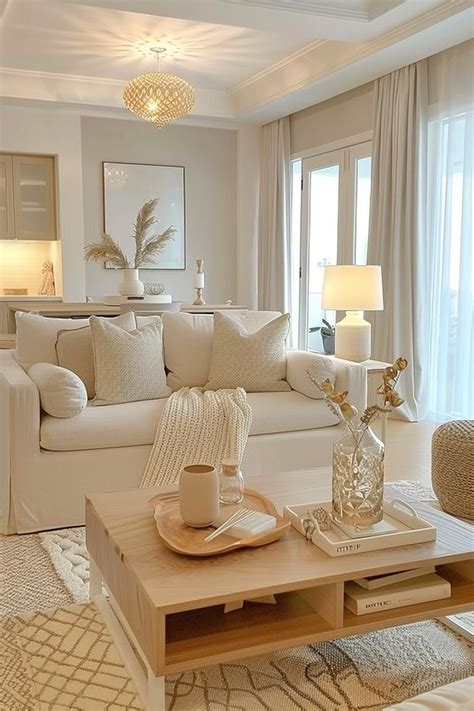
Walls define the primary boundaries of any living room, yet they present the most significant hurdle for renters who face strict lease clauses against painting or drilling holes. Fortunately, temporary wall treatments have evolved far beyond basic posters, offering sophisticated ways to introduce pattern, texture, and rich color hues without risking your security deposit or spending hours patching nail holes.
For renters, peel-and-stick wallpaper and high-grade adhesive panels provide an immediate architectural upgrade that can be cleanly removed upon moving out. When applying temporary wallpaper, investing time in proper surface preparation and measuring twice ensures crisp pattern alignment and prevents bubbling. Alternatively, large-scale fabric wall hangings or leaning oversized mirrors create strong visual focal points that break up vast expanses of neutral landlord-issued paint without touching the drywall.
Permanent Solutions for Homeowners
Homeowners have the luxury of permanence, allowing for structural wall treatments like board-and-batten wainscoting, classic crown molding, or deep, saturated paint colors that completely alter the room’s proportions. Introducing wood slat accent walls or permanent built-in shelving units adds architectural depth that flat drywall simply cannot achieve on its own.
When choosing a permanent paint finish or millwork design, consider how natural light moves through your living space throughout the day. North-facing rooms benefit from warmer undertones to counteract cool shadows, while south-facing spaces can easily handle crisp, cooler tones and bold, saturated jewel colors without feeling dark or confined.
Lighting Layers to Define Ambiance and Function
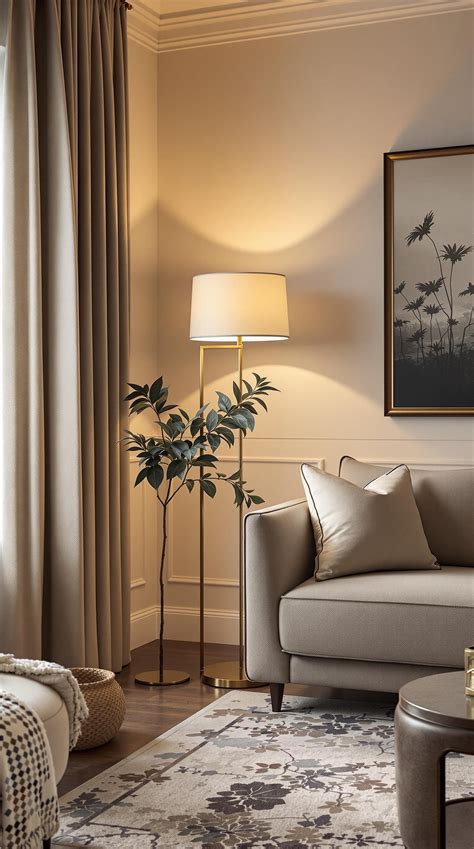
Overhead lighting alone rarely creates a welcoming living room atmosphere. Whether dealing with harsh builder-grade flush mounts in a rental or designing a brand-new lighting plan in a purchased home, introducing multiple layers of light is the most effective way to carve out cozy zones and make a compact space feel larger.
Renters can bypass the need for hardwired electrical work by utilizing plug-in wall sconces with transparent or decorative cords, stylish arc floor lamps, and battery-operated puck lights inside bookcases. For homeowners, recessed lighting paired with statement dimmable chandeliers and hardwired picture lights offers ultimate control over the room’s mood and functionality.
Layout Optimization and Multi-Functional Furnishings
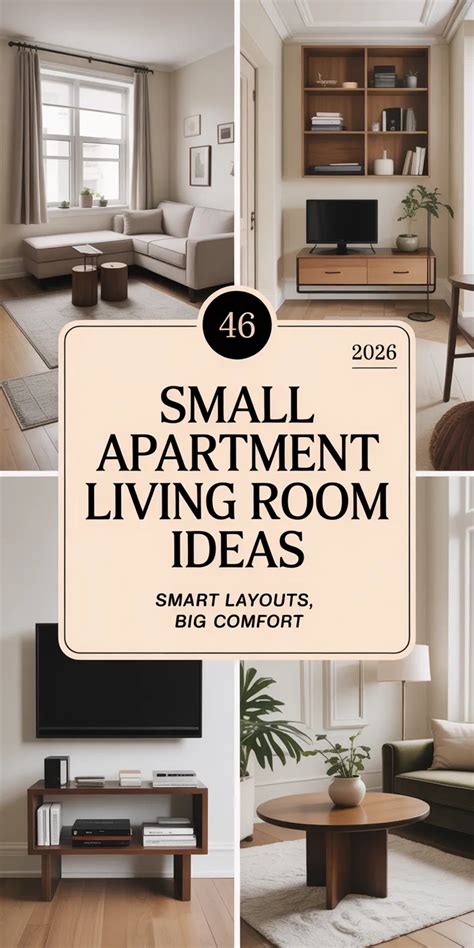
An effective living room layout balances open floor space with comfortable seating arrangements, regardless of whether the room is a sprawling suburban great room or a compact urban apartment. Avoid pushing all furniture against the perimeter walls; instead, float your main seating group slightly inward to create an intimate conversation area.
Both renters and homeowners benefit from incorporating multi-functional furniture, such as storage ottomans that double as coffee tables or modular sectionals that can be reconfigured when moving to a new floor plan. Selecting pieces with exposed legs rather than heavy, skirted frames allows light to flow underneath, visually expanding the floor space and keeping the room feeling airy and uncluttered.
Frequently Asked Questions
How can renters hang heavy art without damaging drywall?
Renters can use heavy-duty adhesive picture hanging strips rated for specific weight capacities or utilize specialized molding hooks if picture rails are already installed in the unit. For extremely heavy frames, anchoring a floor-standing easel or leaning large art pieces securely against the wall provides a stylish alternative that requires zero hardware.
What are the best temporary window treatments for rental living rooms?
Cellular shades or bamboo Roman blinds mounted with tension rods or non-damaging command brackets offer privacy and light control without drilling into window frames. Layering these with lightweight, inexpensive linen curtains hung on tension rods adds softness and height to the windows.
How do I make a small living room feel cohesive on a budget?
Establish a cohesive color palette consisting of one neutral base, one dominant accent color, and one metallic or wood finish. Use affordable soft furnishings like throw pillow covers, an appropriately sized area rug, and coordinated throw blankets to tie disparate furniture pieces together.


