Designing a living room that feels cohesive, welcoming, and entirely personal requires balancing aesthetic ambitions with spatial and structural realities. Across the United States, living rooms take many forms, from compact urban studio apartments in major metropolitan areas to sprawling open-concept suburban family rooms. Whether you hold a mortgage on a historic Craftsman bungalow or sign an annual lease on a modern high-rise apartment, your living room serves as the central gathering hub of your daily routine. Finding the right decor approach means looking past generic trends and focusing on layout solutions, tactile layers, and functional zoning that suit your lifestyle.
The central challenge for many American households lies in bridging the gap between inspiration and practical execution. Homeowners often grapple with permanent architectural choices like trim work, built-in shelving, and wall colors, whereas renters must navigate strict lease restrictions prohibiting nail holes, wall painting, and permanent light fixture swaps. By understanding how to adapt design principles to your specific housing status, you can create a stunning interior environment without violating your security deposit agreement or overspending your renovation budget.
Modern and Minimalist Living Room Aesthetics
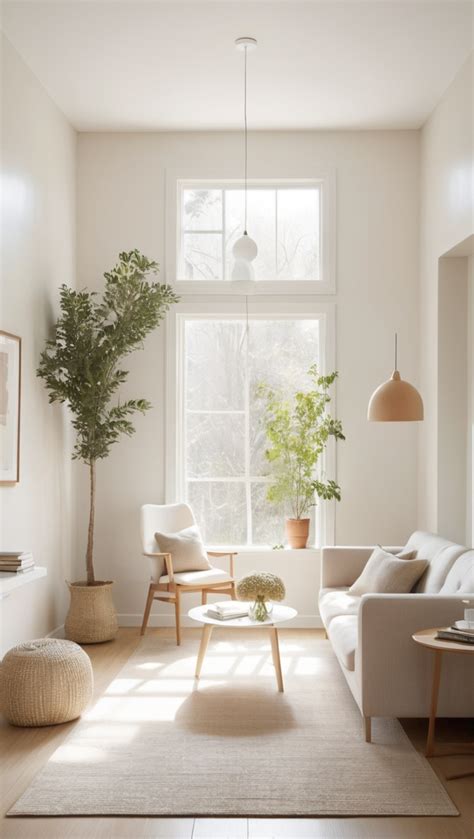
Modern minimalism relies on clean lines, an uncluttered footprint, and a purposeful selection of furniture and decorative accents. In typical American living rooms, achieving this look starts with maximizing natural light and choosing low-profile seating that keeps sightlines open. Instead of filling every corner with furniture, a minimalist approach allows negative space to act as a design element, making rooms feel larger, calmer, and more intentional.
Color palettes in modern minimalist spaces typically lean toward warm neutrals, soft off-whites, and earthy grays, paired with tactile textures like linen, wool, and blonde wood. Homeowners can introduce subtle architectural interest through slat-wood accent walls or plaster finishes, while renters can achieve a similar sophisticated effect using oversized neutral area rugs, matte black floor lamps, and sculptural ceramic vases. The key trade-off in minimalist design is storage; because clutter disrupts the aesthetic, investing in closed storage solutions or multifunctional furniture is essential for keeping daily essentials out of sight.
Renter-Friendly Decor Hacks for Lease-Safe Transformations
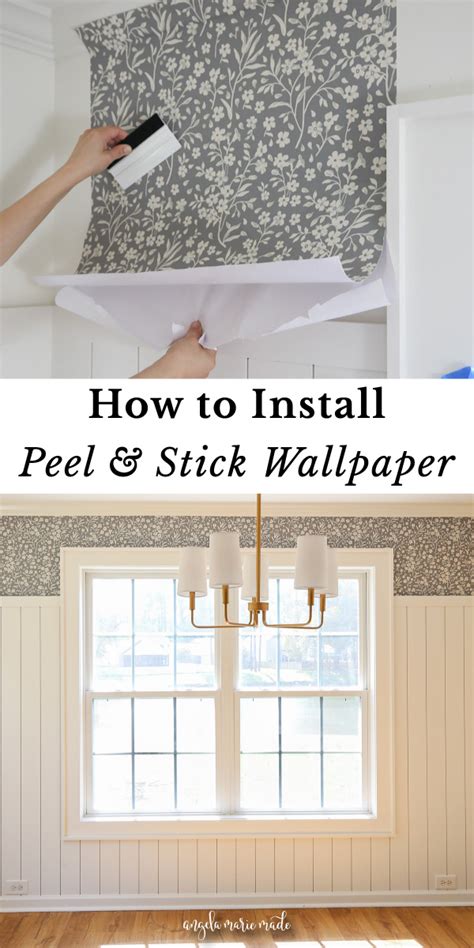
Renting a home in the U.S. often comes with restrictive lease clauses that prevent painting walls, swapping out overhead light fixtures, or anchoring heavy shelves into drywall. Fortunately, the renter-friendly design movement has evolved far beyond basic command hooks and temporary posters. Today, renters have access to high-end peel-and-stick wallpaper, renter-safe wall adhesives that hold heavy mirrors, and plug-in wall sconces that mimic hardwired lighting without touching the electrical wiring.
When updating a rental living room, focus your energy on movable focal points like statement area rugs, velvet accent chairs, and layered lighting schemes. Floor-to-ceiling curtain panels hung tension-rod style can completely transform a stark apartment window while creating the illusion of taller ceilings. If your rental features dated flooring or neutral carpet you cannot replace, layer large flat-weave jute rugs underneath plush patterned vintage-style rugs to anchor your seating area and introduce warmth and personality.
Optimizing Small Space Layouts in American Homes
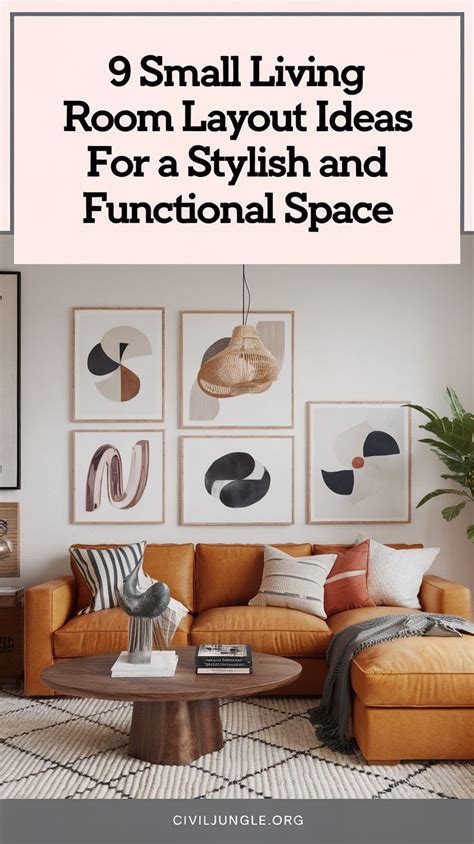
Compact living spaces present distinct spatial puzzles, particularly in urban apartments or older suburban homes featuring choppy, compartmentalized floor plans. The most effective layout strategy for small living rooms is floating your furniture away from the walls rather than pushing every couch and chair tightly against the perimeter. Pulling seating inward creates an intimate conversation area and allows light to circulate freely around the room.
When selecting furniture for a small living room, prioritize pieces with exposed legs and multi-functional capabilities, such as storage ottomans, nesting coffee tables, and modular sectional sofas with reversible configurations. Vertical space is another valuable asset that is frequently overlooked. Tall bookshelves, wall-mounted floating ledges, and vertical gallery walls draw the eye upward, making standard eight-foot ceilings feel remarkably expansive while providing crucial display and storage areas.
Cozy Rustic and Farmhouse Styles for Family Gathering Spaces
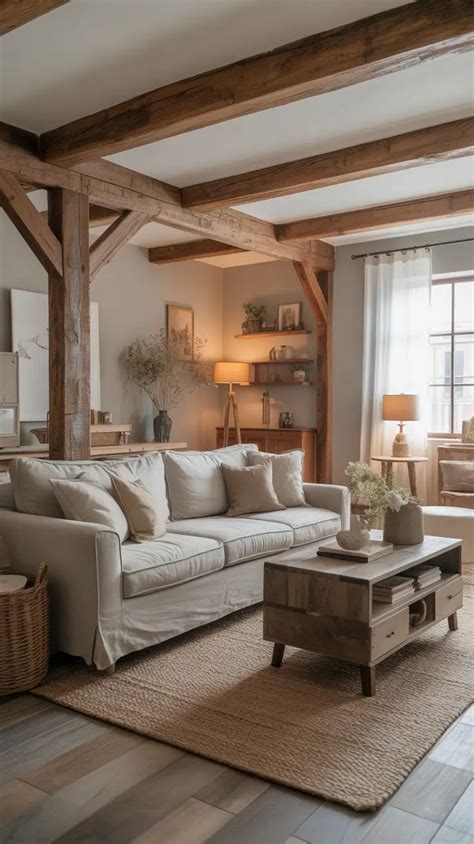
The rustic and modern farmhouse aesthetic remains enduringly popular in American homes because it prioritizes comfort, durability, and a lived-in warmth. This style is particularly well-suited for busy family rooms where durability against pets and children is just as important as visual appeal. Incorporating natural elements like reclaimed wood coffee tables, distressed leather sofas, and wrought-iron hardware instantly establishes a welcoming, grounded atmosphere.
To keep a rustic living room feeling current rather than dated or overly themed, balance heavy wooden elements with modern touches like streamlined metal light fixtures, crisp white slipcovers, and abstract black-and-white artwork. Homeowners can update a brick fireplace with a fresh coat of German schmear or a custom cedar mantel, while renters can achieve the same cozy warmth by draping heavy wool throws over existing seating, incorporating textured jute baskets, and styling rustic wooden trays on a rental-safe media console.
Frequently Asked Questions
How can I decorate my living room if I am renting and cannot paint or drill?
Renters can personalize their spaces using removable peel-and-stick wallpaper, heavy-duty adhesive strips for hanging lightweight art, and plug-in sconces that do not require electrical work. Layering textiles, area rugs, and statement furniture pieces also transforms a room without altering the walls.
What are the best layout strategies for small U.S. apartment living rooms?
In small living rooms, float your furniture away from the walls to create better traffic flow and an intimate conversation area. Choose multifunctional pieces like storage ottomans, glass or acrylic tables that take up visual space, and utilize vertical wall storage to keep floor areas clear.
How do I mix different interior design styles without making the room look cluttered?
Mixing styles successfully requires a unifying element, such as a consistent color palette or repeated wood tones. Choose a dominant design style for 70 to 80 percent of the room, and use the remaining 20 percent to introduce accent pieces from a secondary aesthetic.
What are affordable ways to update a living room focal point?
You can update a living room focal point affordably by rearranging furniture around a statement window or fireplace, hanging an oversized piece of DIY canvas art, or styling a media console with a curated mix of books, plants, and sculptural objects.


