When planning a living room renovation, flooring and wall treatments dictate the entire atmosphere of the space. While traditional wall-to-wall carpeting and hardwood remain popular choices across American households, tile has emerged as a remarkably versatile, durable, and sophisticated alternative. Whether you live in a sun-drenched coastal property or a sprawling suburban open-concept home, incorporating tiles into your living room design allows for exceptional creativity. From expansive porcelain floor slabs that mimic natural marble to textured terracotta accent walls, tile offers a seamless blend of everyday practicality and striking visual impact.
Successfully integrating tile into a main living area requires careful consideration of scale, lighting, and tactile warmth. Because American living rooms are often the central hub for family gatherings, entertaining, and relaxation, surfaces must withstand heavy foot traffic while maintaining an inviting ambiance. By understanding how to select the right materials, finishes, and layouts, you can transform your living space into a refined, comfortable sanctuary that feels neither cold nor sterile.
Choosing Durable and Stylish Living Room Floor Tiles
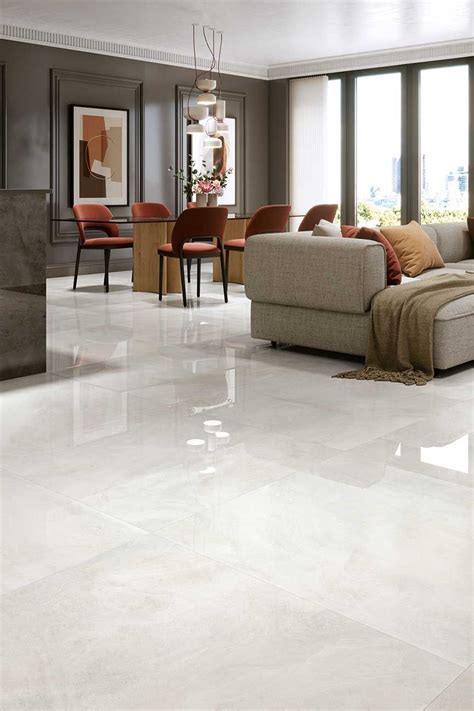
Selecting the right foundation for your living room begins with understanding the physical demands of the space. Porcelain and ceramic tiles are top contenders for American homes due to their incredible durability, scratch resistance, and effortless maintenance. Porcelain, in particular, is fired at higher temperatures, making it denser and less porous than standard ceramic. This resilience makes it an ideal choice for households with children, pets, or frequent visitors. Beyond performance, modern manufacturing techniques allow porcelain tiles to convincingly replicate luxury materials like hardwood planks or high-end natural stone without the associated upkeep.
Large-format tiles measuring 24×24 inches or larger have become a staple in contemporary US interior design. Using oversized tiles minimizes grout lines, creating a continuous, expansive surface that visually opens up smaller living rooms and enhances the clean lines of open-concept layouts. For a softer look, wood-look porcelain planks offer the warmth of traditional oak or hickory flooring combined with the waterproof, indestructible nature of tile. When pairing these hard surfaces with daily living, incorporating plush area rugs over your tiled floor instantly introduces warmth, acoustic dampening, and cozy texture underfoot.
Creating Focal Points with Living Room Wall Tiles
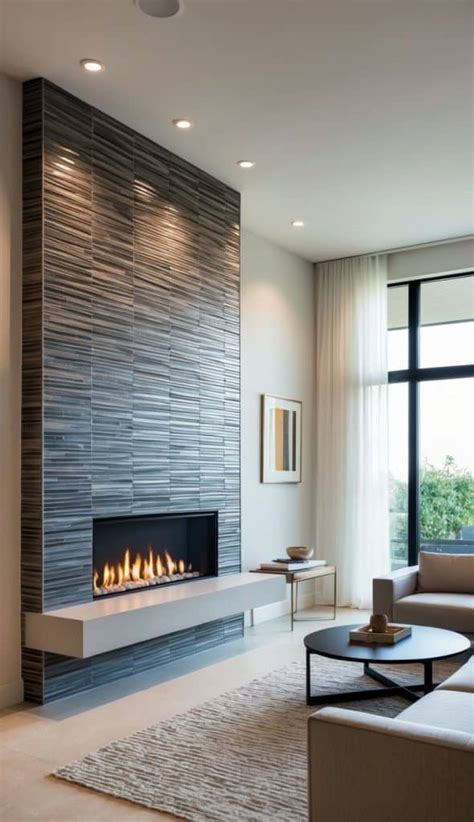
While floors handle the heavy lifting of foot traffic, living room walls present a canvas for vertical expression. Wall tiles can completely change the architectural character of a room, drawing the eye upward and defining specific zones within an open-plan layout. One of the most popular applications in modern American homes is updating the fireplace surround. Tiling from floor to ceiling around a linear gas fireplace instantly transforms the hearth into a dramatic architectural centerpiece. Materials like glazed zellige tiles, stacked stone veneer, or patterned encaustic cement tiles introduce rich color variations and tactile depth that drywall simply cannot achieve.
Beyond the fireplace, creating a feature accent wall behind a media console or a reading nook is another effective strategy. Textured three-dimensional tiles, ribbed ceramics, or large-format slab tiles add sophisticated architectural interest without overwhelming the room. To prevent a tiled wall from feeling cold, balance the hard surfaces with warm ambient lighting, such as wall sconces or hidden LED strip backlighting. Layering in organic elements like leather furniture, woven baskets, and indoor greenery ensures the space remains inviting and balanced.
Understanding Finishes: Glossy, Matte, and Textured Surfaces
The finish of your tile dictates both its aesthetic personality and its practical performance in a family room. Glossy tiles reflect natural and artificial light, making them exceptional choices for darker living rooms or spaces with limited windows. However, high-gloss floor tiles can become slippery when wet and may show footprints or dust more readily, requiring more frequent cleaning in high-traffic zones. For this reason, many homeowners reserve glossy finishes for vertical wall applications and accent features where light reflection enhances the room’s brightness.
Matte and textured finishes have dominated recent interior design trends across the United States. Matte tiles absorb light, creating a calm, understated, and grounded atmosphere that pairs wonderfully with minimalist, transitional, and Scandinavian design aesthetics. Textured options, such as leathered stone or subtly ribbed ceramic, offer enhanced slip resistance and a rich tactile experience. When choosing a finish, consider your lifestyle realistically; a textured or matte medium-toned tile is generally much more forgiving of everyday pet hair, dust, and minor scuffs than a polished dark surface.
Balancing Comfort: Underfloor Heating and Textile Layering
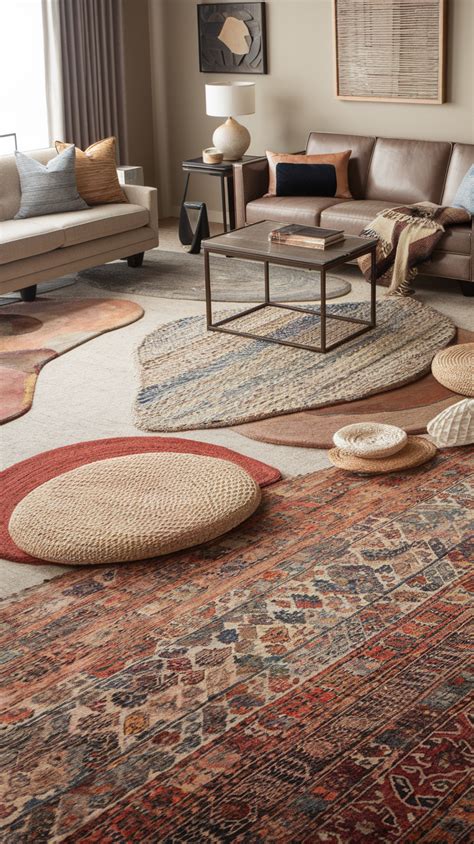
One of the most common hesitations homeowners express regarding tile living rooms is temperature. Tile naturally feels cool to the touch, which is a wonderful benefit during hot summer months in warmer regions like the American South or Southwest. However, during chilly winters in the Midwest or Northeast, unheated tile can feel bracing. Integrating electric radiant underfloor heating mats beneath your living room tile flooring solves this issue entirely, delivering gentle, ambient warmth directly from the ground up and turning your tiled floor into a luxurious luxury feature.
In addition to radiant heating, styling with soft furnishings is essential for creating a balanced, acoustically comfortable living room. Hard surfaces tend to bounce sound, creating an echoey environment unless softened properly. Combat this by layering thick wool or jute area rugs over your tiled floors, hanging heavy fabric draperies, and incorporating plush upholstered seating. These soft textiles absorb sound and visually offset the industrial coolness of stone or porcelain, resulting in a harmonious space that marries sleek modernity with cozy domestic comfort.
Frequently Asked Questions
Are tiles practical for everyday living room use?
Yes, tiles are exceptionally practical for living rooms because they resist stains, scratches, and heavy foot traffic. They are especially beneficial for households with pets or allergy sufferers, as they do not trap dust mites or pet dander the way carpets do.
How do I keep a tiled living room from feeling cold and uninviting?
You can counteract the inherent coolness of tile by installing underfloor radiant heating systems, layering plush area rugs, and incorporating warm textile elements like velvet upholstery, wooden accent furniture, and soft ambient lighting.
What are the most popular tile trends for American living rooms?
Current trends favor large-format porcelain slabs, wood-look planks, textured wall tiles, and handcrafted zellige-style tiles for fireplace surrounds. Neutral earth tones, soft grays, and warm terracotta hues are also highly favored in contemporary US homes.
Can I install heavy floor tiles myself in the living room?
While some confident DIYers tackle tiling projects, living room floor installations—especially with large-format or heavy natural stone tiles—typically require professional expertise. Proper subfloor preparation, precise leveling, and correct mortar application are critical to prevent cracking and ensure a flawless finish.


