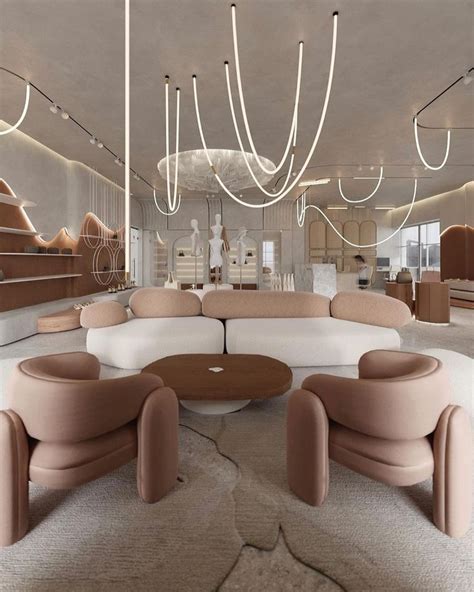
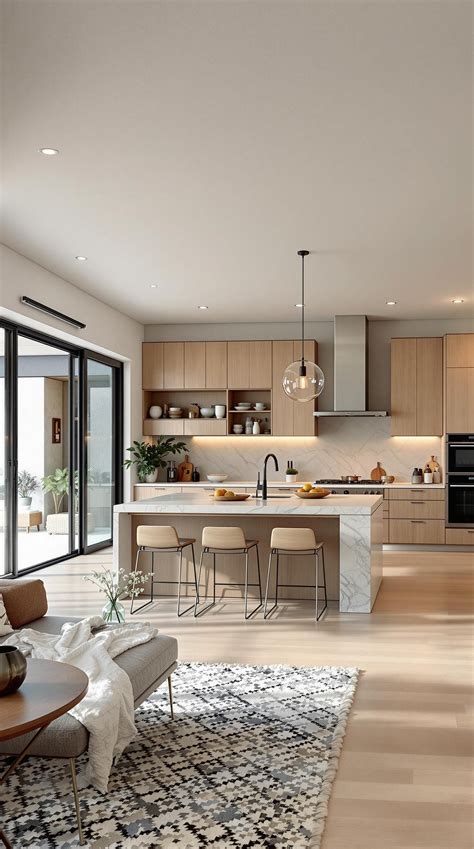
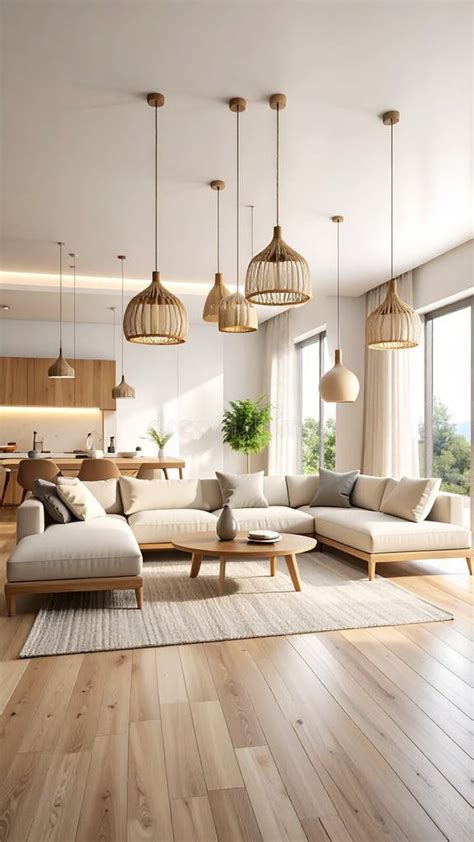
Interior design is constantly evolving to reflect our changing lifestyles, technological habits, and desire for comfort. As we look toward 2026, living room design in American homes is shifting away from stark minimalism and cold, monochromatic palettes. Instead, the focus is turning toward spaces that nurture emotional well-being, celebrate tactile materials, and seamlessly integrate multi-functional zones for work, relaxation, and gathering.
Whether you are planning a complete architectural overhaul of a suburban home or simply looking to refresh a rented urban apartment, understanding these upcoming design shifts helps you make intentional choices. By focusing on longevity and adaptability rather than fleeting micro-trends, you can create a living room that feels both strikingly modern and deeply personal for years to come.
Embracing Earth-Rooted Color Palettes
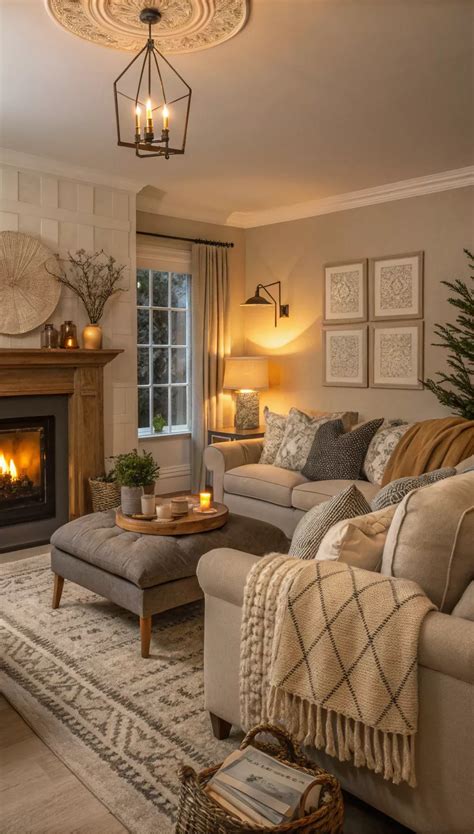
The color direction for 2026 moves firmly into grounding, organic tones inspired by nature. Think warm terracotta, muted olive greens, weathered clay, and deep mineral blues that evoke a sense of calm and stability. These shades serve as a sophisticated backdrop that works effortlessly with natural light, creating spaces that feel connected to the outdoors regardless of whether your home is in a bustling city or a quiet countryside.
For homeowners, committing to these rich palettes can involve painting accent walls or investing in large upholstered statement pieces like a velvet sofa in a muted moss green. Renters can easily achieve the same high-end look through non-permanent textiles, such as burnt-orange throw blankets, textured linen curtains, and large-scale botanical artwork. Pairing these earthy hues with warm, creamy neutrals keeps the room feeling spacious and bright while adding much-needed depth.
Prioritizing Sustainable and Tactile Materials

Sustainability is no longer an optional design feature; it is a foundational pillar for 2026 living rooms. Homeowners and designers are prioritizing materials with a certified lower environmental impact, including reclaimed timber, recycled glass, and organic textiles like raw linen and unbleached cotton. These choices not only reduce ecological footprints but also introduce unique visual imperfections that celebrate natural craftsmanship.
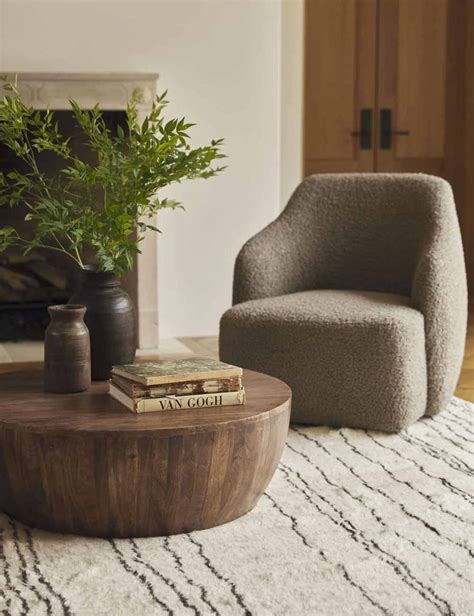
Texture plays a starring role in this movement, replacing flat surfaces with tactile experiences. Rough-hewn wooden coffee tables, bouclé accent chairs, and hand-knotted wool rugs invite physical touch and create sensory warmth. When sourcing furniture, looking for pieces certified by responsible forestry or fair-trade organizations ensures that your aesthetic goals align with ethical manufacturing practices, making your living room a healthier space for both your household and the planet.
Designing for Multi-Functional Flexibility
Modern American lifestyles demand more from our living rooms than ever before. In 2026, the living room is a chameleon space functioning as a home office, a quiet reading nook, an entertainment hub, and a hosting area. Successful layouts rely heavily on clever furniture selection, such as modular sectionals with hidden storage, nesting coffee tables, and slim-profile desks that double as console tables when the workday ends.
To prevent a multi-functional room from feeling cluttered, intentional zoning is essential. Area rugs, directional lighting, and strategic furniture placement help delineate different functional areas without requiring physical room dividers. Renters benefit greatly from these modular approaches, as lightweight, adaptable furniture can easily move with them to future homes while maintaining a cohesive, uncluttered aesthetic.
Layered Lighting and Mood Architecture
Overhead lighting alone is taking a backseat in 2026 as homeowners embrace mood architecture through layered lighting schemes. The goal is to create pools of warm, inviting illumination at various heights throughout the room. Combining architectural wall sconces, sculptural floor lamps, and amber-toned table lamps allows you to easily shift the room’s atmosphere from bright and energetic during the day to soft and intimate at night.
Smart lighting integration is also becoming more seamless, allowing homeowners to program circadian lighting rhythms that mirror natural daylight shifts. For renters who cannot install hardwired wall sconces, plug-in wall lights with decorative fabric cords or battery-operated LED bulbs offer a renter-friendly workaround. These creative lighting solutions instantly elevate the perceived design quality of any living room without requiring electrical modifications.
Frequently Asked Questions About 2026 Living Room Trends
Are minimalist living rooms completely out of style for 2026?
Minimalism is not disappearing entirely, but it is evolving into what designers call ‘warm minimalism.’ Cold whites, stark metal finishes, and completely bare surfaces are being replaced by softer lines, warm neutral backdrops, and rich textures that prioritize comfort and human connection over clinical austerity.
How can renters incorporate 2026 living room trends on a budget?
Renters can easily adopt these upcoming trends by focusing on textiles, lighting, and movable decor. Swapping out cushion covers for earthy tones, introducing tactile elements like wool rugs and linen throws, and using plug-in ambient lighting instantly updates a space without altering permanent architectural features.
What is the biggest color shift expected in American living rooms for 2026?
The biggest shift is the move away from cool grays and stark whites toward rich, earth-rooted hues such as terracotta, clay, muted olives, and deep mineral blues. These colors add emotional warmth and create a more grounded, sanctuary-like environment.
How do I make a small living room feel updated for these upcoming trends?
For smaller spaces, focus on multi-functional furniture with exposed legs to maintain an airy feel, and incorporate tactile elements through accessories rather than bulky statement pieces. Utilizing layered lighting at different heights will also expand the visual depth of a compact room.