Updating a living room for the upcoming years requires a careful balance between fresh aesthetic choices and long-term livability. American homeowners and renters increasingly look for interiors that offer a sanctuary from busy daily routines while remaining adaptable to changing lifestyles. Rather than chasing fleeting design fads that require constant replacement, the focus has shifted toward meaningful upgrades that enhance comfort, optimize spatial layouts, and incorporate sustainable materials. Whether you are refreshing a compact urban apartment or a sprawling suburban family room, thoughtful curation allows you to achieve a polished, modern look without starting from scratch.
To help you navigate your next home project, we have assembled 25 practical, proven design directions tailored specifically for U.S. living spaces. These strategies cover everything from grounding color palettes and layered lighting schemes to smart technology integration and tactile textile choices. By applying these concepts selectively, you can create a cohesive room that feels both current and deeply personal.
Refining Your Color Palette and Visual Tone
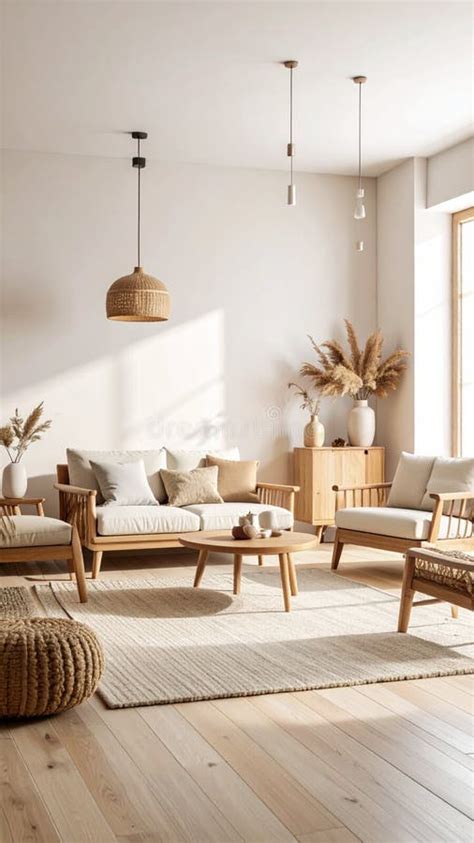
Color choices set the foundational mood of any shared living space. The upcoming design landscape moves away from stark, clinical minimalism and embraces grounded, earth-inspired hues that foster tranquility and connection with nature.
1. Embrace Muted Terracotta and Warm Ochre
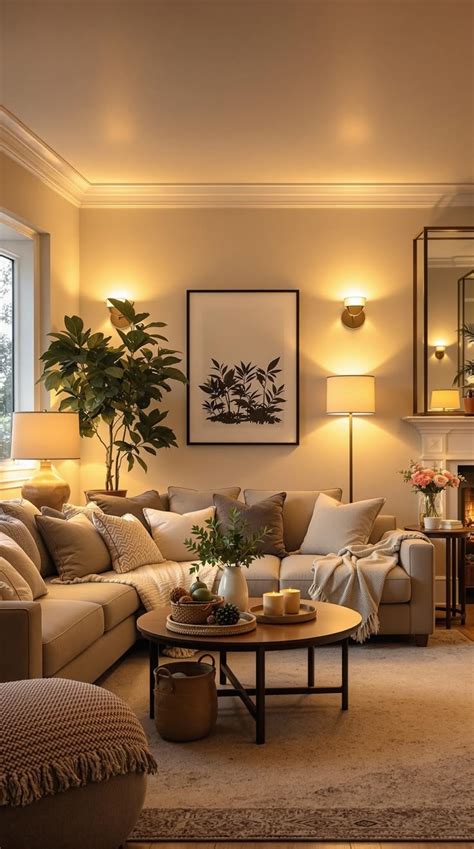
Introduce subtle warmth to your walls or large textiles through muted terracotta, dusty clay, or soft ochre tones. These colors provide an inviting backdrop that pairs exceptionally well with natural wood furniture and neutral upholstery.
2. Anchor the Room with Deep Forest Greens
Deep, desaturated greens work wonderfully as accent walls, built-in shelving backdrops, or large velvet seating pieces. This shade brings a sophisticated organic element indoors, reflecting a growing preference for biophilic design principles in American residences.
3. Soften Spaces with Warm Alabaster Whites
Replace stark, cool-toned bright whites with creamy alabaster and soft linen whites. These versatile neutrals maximize natural light reflection in smaller rooms while maintaining a cozy, lived-in atmosphere.
4. Add Contrast with Charcoal and Slate
Incorporate dark, moody neutrals through window hardware, lighting fixtures, or media consoles. Charcoal and slate details ground lighter color schemes, adding visual weight and preventing a room from feeling washed out.
5. Layer Subtle Metallic Accents
Step away from overly shiny brass and instead choose brushed nickel, aged bronze, or matte black fixtures. These finishes offer a subdued sophistication that integrates seamlessly into both modern and traditional home architectures.
Prioritizing Sustainable and Enduring Materials
Environmental consciousness continues to influence how we furnish our homes. Investing in durable, responsibly sourced materials reduces waste and ensures your living room withstands daily family use.
6. Invest in Certified Sustainable Hardwoods
Choose coffee tables, sideboards, and seating frames crafted from Forest Stewardship Council (FSC) certified woods like white oak, walnut, or ash. Solid wood pieces age gracefully and can be easily refinished if they experience minor wear over time.
7. Choose Heavyweight Natural Linens and Cottons
Opt for breathable, tactile fabrics for your slipcovers and drapery. Natural fibers offer a relaxed drape and superior durability compared to synthetic blends, bringing an authentic texture to your seating arrangements.
8. Incorporate Vintage and Antique Focal Points
Mix one or two vintage items—such as a mid-century side table, an antique ceramic vase, or a worn leather armchair—into your modern layout. This adds instant character, prevents the room from looking like a showroom catalog, and supports circular design habits.
9. Opt for Modular Seating That Adapts
Select modular sofas and sectional configurations that can be rearranged as your spatial needs change. Buying versatile furniture means you won’t need to replace your entire setup when moving to a new home or altering your floor plan.
10. Select Low-VOC Finishes and Paints
Prioritize indoor air quality by selecting low-volatile organic compound (VOC) paints and non-toxic sealants for any DIY updates or furniture restorations you undertake within the living area.
Enhancing Comfort Through Textiles and Layouts
A stylish living room must also function comfortably for everyday lounging, entertaining, and relaxing. Layering soft elements creates a welcoming environment that invites you to linger.
11. Anchor Seating with High-Pile Wool Rugs
Define your conversation area with a dense, natural wool or jute rug. Ensure the rug is large enough so that at least the front legs of your major seating pieces rest comfortably on its surface, unifying the furniture grouping.
12. Mix Smooth and Rough Textures
Create visual depth by pairing smooth leather or sleek metal surfaces with chunky knit throws, woven baskets, and raw stone decor. Contrast is the secret weapon of professional interior stylists.
13. Create Intimate Conversation Groupings
Avoid pushing all your furniture against the perimeter walls. Pull sofas and armchairs slightly inward, angled toward one another, to foster natural conversation and a more intimate spatial flow.
14. Incorporate Versatile Ottoman Footstools
Use upholstered ottomans instead of traditional coffee tables in homes with children or pets. They double as extra seating, provide hidden storage, and eliminate sharp corners in active living areas.
15. Style Potted Plants for Vertical Interest
Integrate tall indoor trees like a Ficus Audrey or a large snake plant in empty room corners. Greenery introduces life, improves air quality, and softens harsh architectural angles.
Integrating Smart Technology Seamlessly
Modern living rooms require technology to support entertainment and convenience, but visible cables and bulky electronics can disrupt a clean aesthetic.
16. Conceal Media Components Behind Slatted Doors
Choose media consoles featuring slatted wooden doors that allow remote control signals to pass through while keeping components hidden from view when not in use.
17. Install Dimmable Smart Lighting Bulbs
Replace standard switches with smart dimmer systems or bulbs that adjust color temperature throughout the day, transitioning from bright task lighting to warm, relaxing evening hues automatically.
18. Choose Frame-Style Televisions
Mount flat-screen displays that feature art-mode capabilities. When you aren’t watching movies, the screen displays classic paintings or personal photography, blending directly into your gallery wall arrangement.
19. Utilize Motorized Architectural Shades
Install discreet motorized window roller shades that operate via voice control or pre-set schedules, helping manage sunlight glare and indoor temperature efficiency without unsightly dangling cords.
20. Keep Charging Stations Out of Sight
Designate hidden charging drawers within side tables or console cabinets to keep phones, tablets, and remote controls charged without cluttering visible table surfaces.
Mastering Layered Lighting and Decor Styling
Lighting is often called the jewelry of a home. Relying on a single overhead light source flattens a room, whereas a layered approach builds atmosphere and depth.
21. Build a Three-Tiered Lighting Plan
Combine ambient overhead fixtures with task lighting (such as a reading lamp by an armchair) and accent lighting (like picture lights or LED strip lighting behind shelving) for maximum versatility.
22. Hang Statement Sconces Without Hardwiring
Use plug-in wall sconces with stylish cords if you rent or want to avoid cutting into drywall. They provide balanced accent lighting flanking a sofa or fireplace mantel.
Image Suggestion: A cozy U.S. living room featuring a stylish plug-in brass wall sconce above a plush sofa, highlighting textured throw pillows and neutral wall paint.
23. Curate Intentional Open Shelving Displays
Avoid overcrowding bookshelves. Group objects in odd-numbered clusters, combining vertical books with horizontal stacks, framed art, and sculptural ceramic objects to maintain breathing room.
24. Hang Artwork at Eye Level
Ensure the center of your primary wall art hangs approximately 57 to 60 inches from the floor, anchoring paintings and prints properly in relation to the furniture beneath them.
25. Edit Ruthlessly for Function and Flow
Perform a seasonal edit of your living room decor. Remove items that no longer serve a functional or emotional purpose, allowing your favorite pieces to stand out and keeping pathways clear for easy movement.
Frequently Asked Questions
What are the key interior design trends for living rooms?
The upcoming focus centers on earth-inspired color palettes, sustainable solid woods, textured natural fabrics, and seamless smart technology integration that maintains a clean, uncluttered aesthetic.
How can I update my living room style on a budget?
You can refresh your space significantly by swapping out throw pillow covers, rearranging your furniture layout for better flow, introducing a large indoor plant, and updating your lighting with warm, dimmable bulbs.
How do I make a small living room look bigger?
Maximize natural light by avoiding heavy window treatments, choose light alabaster wall paints, use multi-functional furniture with exposed legs to create an airy feel, and place a large mirror opposite a window.


