Creating an inviting apartment living room often starts with recognizing the unique spatial and logistical parameters of typical U.S. rentals and compact homes. Standard apartment layouts frequently feature neutral white walls, minimal architectural details, and lighting that relies heavily on harsh overhead fixtures. However, these baseline elements offer a blank canvas. By focusing on intentional layout choices, layered illumination, and tactile textiles, you can turn a generic footprint into a deeply personal, comfortable haven.
The secret to a successful small-space living room is balancing functional utility with aesthetic warmth. Every piece of furniture and decor should serve a distinct purpose, whether it is providing hidden storage, anchoring a conversation area, or simply bringing joy through color and texture. When you curate a room with deliberate restraint, you avoid visual clutter while cultivating an atmosphere that feels genuinely welcoming to residents and visitors alike.
Optimizing Layout and Furniture Scale
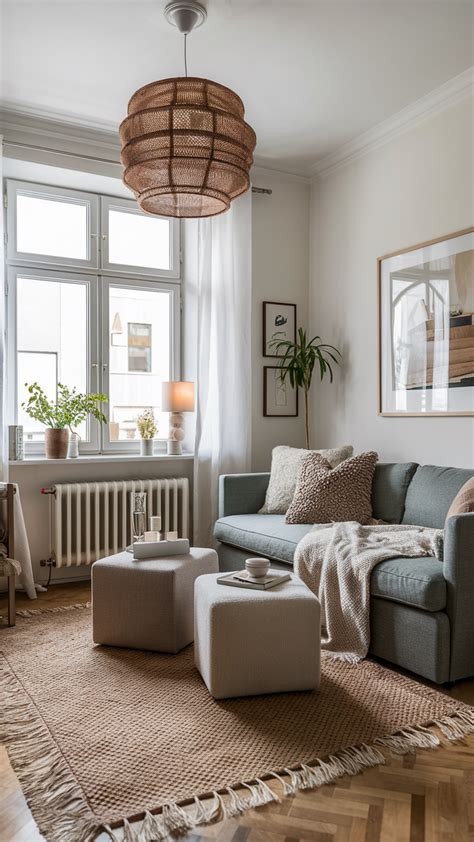
In most apartment living rooms, the biggest design mistake is attempting to squeeze oversized furniture into a limited square footage. Standard suburban sofas or massive sectional sets can easily overwhelm a compact room, blocking natural walking paths and making the entire area feel cramped. Instead, look for apartment-scale sofas featuring slim arms, exposed legs, and lower profiles. Raising furniture off the floor creates an illusion of greater open space by allowing light to pass underneath.
Arranging your seating away from the walls can also dramatically improve the room flow, contrary to popular belief. Pulling a sofa even just a few inches forward and anchoring it with a properly sized area rug establishes a dedicated conversation zone. If your living room doubles as a home office or dining nook, use floating furniture arrangements to visually partition each zone without permanent room dividers that disrupt natural traffic flow.
Layering Lighting for Ambiance
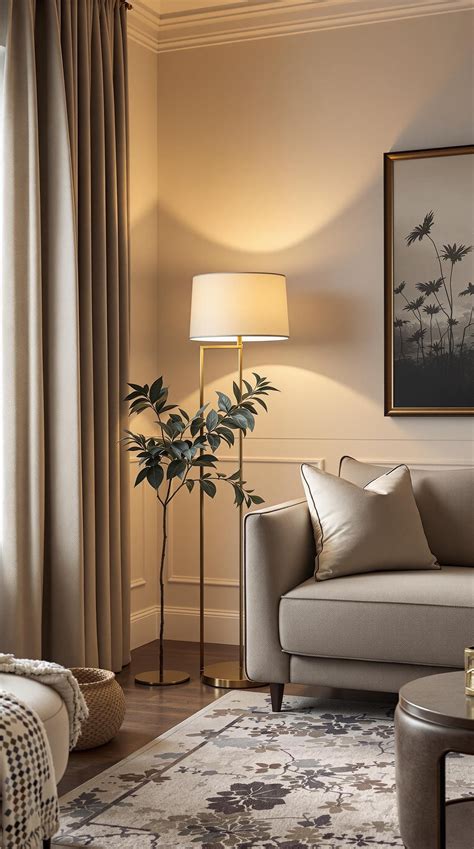
Harsh overhead lighting can instantly make an apartment living room feel sterile and unwelcoming. To cultivate a cozy atmosphere, embrace a layered lighting strategy that incorporates multiple sources at different heights throughout the space. Combine floor lamps in dark corners, table lamps on sideboards or media consoles, and warm-toned LED bulbs to replicate the soft glow of traditional incandescent lighting while remaining energy efficient.
For renters dealing with limited electrical hookups or strict lease agreements regarding permanent fixtures, plug-in wall sconces and rechargeable magnetic picture lights offer wonderful damage-free alternatives. Placing a dimmable lamp on a smart plug also allows you to adjust the room’s mood effortlessly from your phone or voice assistant, making it simple to transition your living room from a bright daytime workspace into a relaxing evening retreat.
Renter-Friendly Wall and Surface Decor
Blank rental walls can feel cold and uninspiring, but patching large drywall anchors upon moving out is a tedious chore. Fortunately, heavy-duty adhesive strips and picture-hanging hooks rated for specific weights allow you to create gallery walls or hang statement art securely without permanent damage. Removable peel-and-stick wallpaper or vinyl wall decals also provide an effortless way to introduce bold patterns, moody accent colors, or subtle textures behind a media console.
When decorating shelves and tabletops, lean into verticality rather than horizontal spread. Tall bookcases or floating ledges draw the eye upward toward the ceiling, making low-ceilinged apartments feel significantly more expansive. Mix books, framed photographs, and small sculptural objects, varying heights and depths to create visual rhythm without overcrowding your surfaces.
Infusing Coziness Through Textiles
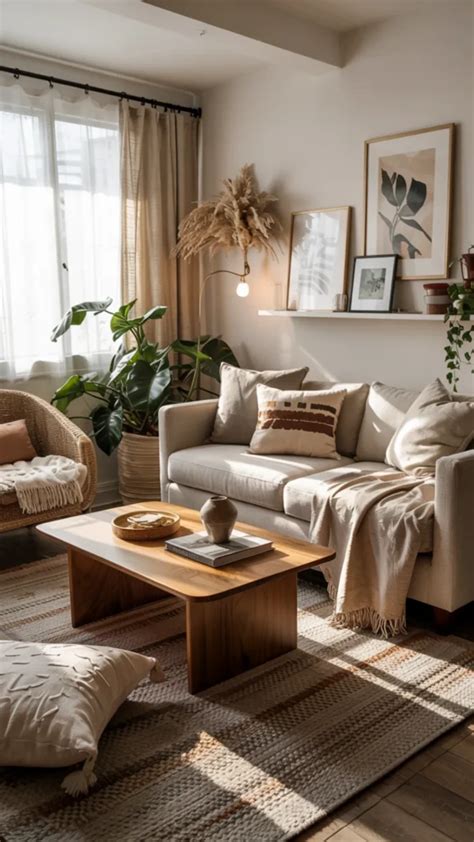
Textiles represent the most powerful tools for softening the hard lines and synthetic materials often found in modern apartment construction. A high-pile or tightly woven wool area rug not only anchors your seating arrangement but also dampens echoing sound—an essential benefit in shared multi-family buildings. Choose a rug large enough so that at least the front legs of your primary seating rest comfortably upon it.
Layering throws and accent pillows introduces tactile variety and seasonal versatility. Mix natural linen or cotton textures for warmer months with chunky knit wools and faux-fur accents as temperatures drop. Window treatments likewise play a transformative role; hanging lightweight linen curtains high and wide above your windows tricks the eye into perceiving larger window frames while letting in ample soft, filtered daylight.
Frequently Asked Questions
How can I make a small apartment living room feel bigger?
To make a compact living room feel more spacious, choose apartment-scale furniture with exposed legs, keep walkways clear by floating seating arrangements, use large area rugs to define the space, and hang curtains high and wide to maximize natural light.
What are the best renter-friendly ways to decorate walls?
Use heavy-duty adhesive hanging strips, damage-free wall hooks, or removable peel-and-stick wallpaper. These methods allow you to personalize your walls with art and accent colors while remaining completely removable before your lease ends.
How do I fix poor lighting in an apartment living room?
Incorporate a layered lighting plan using floor lamps, table lamps, and plug-in wall sconces equipped with warm-toned bulbs. Avoid relying solely on harsh overhead fixtures to instantly establish a softer, more inviting ambiance.


