The entryway sets the tone for your entire home. Whether you are stepping through the front door of a suburban split-level or unlocking a metropolitan apartment, the transition space near the door handles daily life. Keys, mail, bags, and packages all need a designated landing spot. Selecting the right console or sofa table transforms this functional drop-zone into a stylish focal point that greets you and your guests with warmth and intentional design.
Understanding the distinction between console tables and sofa tables helps streamline your furniture search. While both share a long, narrow profile, console tables are classically designed to anchor against a wall in hallways, foyers, or dining rooms. Sofa tables, on the other hand, are engineered to stand directly behind the back of a living room sofa, often matching its height. Recognizing how these dimensions interact with your specific floor plan ensures your chosen piece enhances traffic flow rather than obstructing it.
Sizing and Placement for American Floor Plans
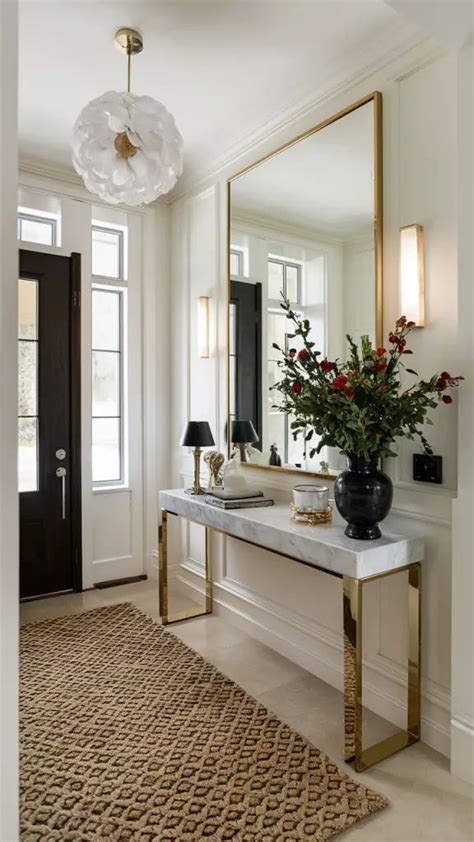
American homes feature diverse architectural layouts, ranging from tight apartment corridors to sprawling open-concept living spaces. Before purchasing any table, grab a tape measure and evaluate your clearance paths. In a standard suburban hallway, you will want to leave at least 36 inches of walking space around the furniture so family members and guests can move comfortably without feeling cramped. For narrow urban entryways, look for ultra-slim profiles measuring less than 12 inches deep.
Placement strategy also depends on whether your front door opens directly into the living room. In open-concept layouts, a sofa table placed behind a sectional can act as a subtle room divider, defining the boundary between the entry corridor and the main seating area. When anchoring a console table against a drywall surface, always consider safety hardware. Securing taller or heavier pieces to wall studs is a vital step for households with active children or pets, preventing accidental tipping in high-traffic zones.
Popular Styles for Modern U.S. Interiors
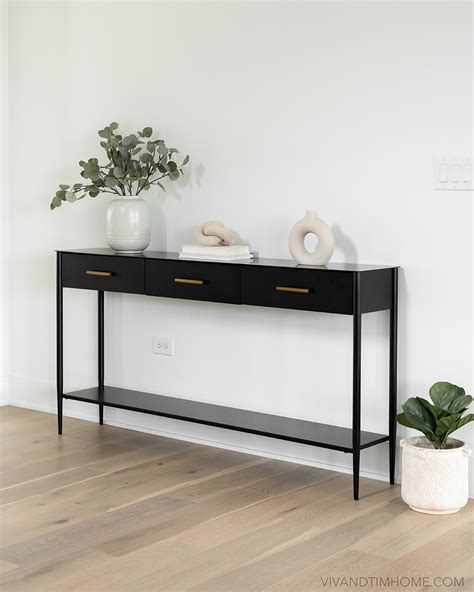
Interior design preferences across the United States lean toward several distinct aesthetics, each bringing unique materials and character to your entryway. Modern minimalism favors clean lines, metal frames, and smooth wood veneers or tempered glass. These pieces reflect light and keep compact foyers feeling open and airy. Conversely, rustic farmhouse styles utilize distressed wood finishes, X-brace side supports, and visible grain patterns, creating an immediate sense of cozy, lived-in hospitality.
Industrial and transitional designs offer fantastic middle grounds for contemporary homes. Industrial consoles often combine reclaimed wood planks with black iron legs, offering rugged durability that easily withstands heavy backpacks and wet umbrellas. Transitional styles blend traditional curved legs with neutral painted finishes, fitting seamlessly into both historic colonials and newly built suburban townhouses. Selecting a style that echoes the architectural trim of your home creates a cohesive visual narrative from room to room.
Functional Features Beyond Surface Decor
A truly great entryway table offers more than just a pretty surface; it solves storage challenges. If your household struggles with clutter, look for console tables featuring built-in drawers or lower slatted shelves. Drawers provide a hidden home for loose change, sunglasses, and spare keys, keeping the top surface clean. Lower shelves offer a dedicated parking spot for woven baskets, decorative bins, or neatly stacked pairs of everyday shoes.
Modern living also demands convenient tech management. Many contemporary console tables now integrate discreet power strips or USB charging ports built right into the desktop or side apron. This thoughtful feature allows you to power smart home hubs, drop your phone onto a charging pad, or plug in a stylish table lamp without messy cords draping down the wall. Evaluating your daily habits before buying ensures your furniture works hard for your lifestyle.
Styling Your Entryway Table for Balance
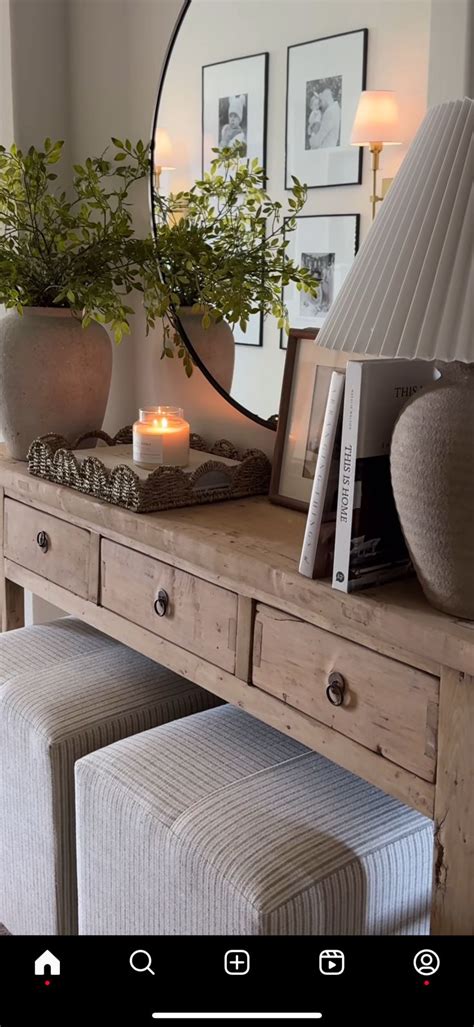
Once your table is securely in place, styling the surface requires a balance of height, texture, and personal touches. Start with a vertical anchor, such as a round wall mirror or a framed piece of art hung a few inches above the tabletop. This draws the eye upward and provides a final spot to check your appearance before walking out the door. Layer in a source of ambient lighting, like a slim ceramic lamp or a battery-operated candle arrangement, to cast a welcoming glow during evening hours.
Complete the arrangement with contrasting textures and functional vessels. Group items in odd numbers—such as a trio consisting of a low tray for keys, a stack of design coffee table books, and a small glass vase with seasonal stems. Avoid cluttering every square inch of the surface; leaving negative space allows the natural beauty of the wood or metal finish to shine through while keeping the drop-zone practical for everyday use.
Frequently Asked Questions
What is the main difference between a console table and a sofa table?
Console tables are generally built to stand flat against a wall and are often taller or feature decorative wall-anchoring designs. Sofa tables are specifically scaled to match the height of a sofa back and are finished on all sides because they sit openly in the middle of a room or behind seating.
How deep should an entryway console table be for a narrow hallway?
For narrow hallways or compact apartment foyers, look for console tables with a depth of 10 to 14 inches. This ultra-slim profile provides enough surface area for mail and keys while leaving ample walking clearance for daily foot traffic.
Are glass and metal console tables durable for families with children?
Tempered glass tops combined with sturdy metal bases can be surprisingly durable, but households with very young children often prefer solid wood or textured laminate surfaces. Wood hides fingerprints better and is less prone to sudden shattering if a heavy toy strikes it.


