Gray tile flooring offers undeniable durability and a sleek, modern aesthetic, but it often makes a living room feel visually stark and physically chilly. Whether you are living with polished porcelain, slate, or ceramic tiles, combating that cold atmosphere requires a deliberate focus on tactile contrast and warm color theory. Fortunately, you do not need to undertake a messy or expensive floor replacement to make your space inviting. By introducing specific layers, lighting adjustments, and organic elements, you can completely transform the mood of your room.
1. Master the Art of Rug Layering for Maximum Comfort
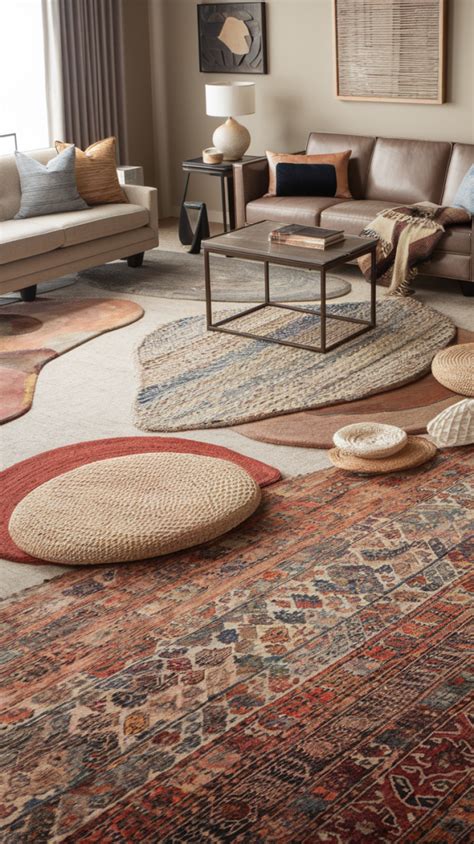
The most direct way to combat cold tile floors is by introducing plush textiles, and area rugs are your primary design tool. Instead of settling for a single flat-woven rug that might slide on slick tile surfaces, consider layering a smaller, high-pile vintage or faux-sheepskin rug over a larger, neutral jute or wool base. This technique not only introduces rich visual depth but also creates a thick barrier that cushions your feet and absorbs sound in rooms with hard surfaces.
When selecting rugs for a gray tile foundation, look for warm undertones such as camel, terracotta, cream, or muted ochre to counteract the cool cast of the gray. Always invest in a quality, non-slip rug pad beneath your rugs. Slick tile can cause lightweight rugs to shift dangerously when walked on, and a proper pad adds an extra layer of hidden cushioning that makes stepping onto the floor significantly more comfortable during colder months.
2. Introduce Warm Wood Tones to Counterbalance the Gray
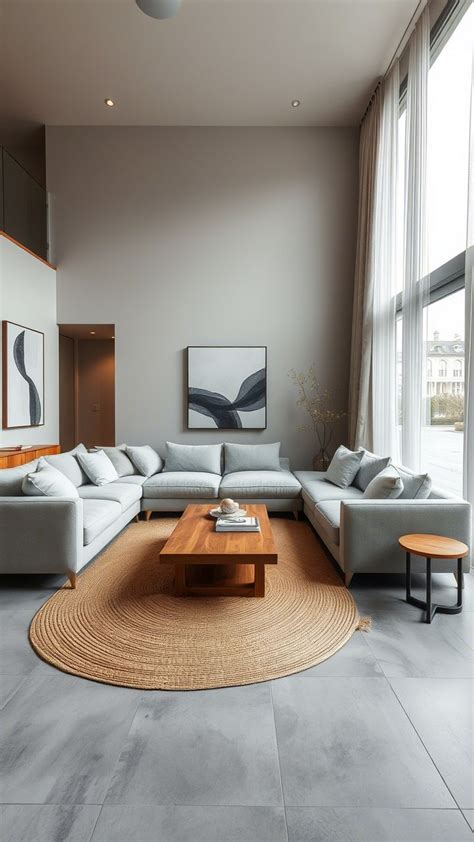
Gray is inherently cool-toned, which means surrounding it with other cool finishes like glass, chrome, or stark white can make your living room feel uninviting. To correct this balance, incorporate rich wood furniture pieces featuring warm undertones, such as walnut, honey oak, or teak. A mid-century modern coffee table, a reclaimed wood media console, or even a couple of exposed-wood accent chairs can instantly anchor the space with natural warmth.
The organic grain and golden or reddish hues of natural timber act as a direct visual foil to gray stone or ceramic. If your larger furniture pieces are already neutral or gray, you can achieve this effect through smaller accents like wooden picture frames, floating shelves, or a decorative wooden tray on your coffee table. These subtle touches draw the eye away from the floor and distribute warmth evenly throughout the entire room.
3. Layer Generous Textiles and Upholstered Seating
Hard flooring tends to amplify the acoustic and visual hardness of a room, making soft furnishings essential for achieving a cozy living room atmosphere. Swap out lightweight linen throw pillows and thin cotton blankets for chunky knit throws, boucle cushions, and velvet upholstery. These rich textures invite touch and make the entire seating arrangement feel cocooning and relaxed against the hard architecture of the floor.
Consider your main seating choices as well. Sofas and armchairs with exposed metal or skinny legs can sometimes make furniture look like it is floating too close to a cold floor. Opting for slipcovered sofas or heavily upholstered seating that drops closer to the ground helps visually anchor the room and limits the expanse of exposed tile, creating a more intimate and grounded environment.
4. Adjust Your Lighting Strategy and Color Temperatures
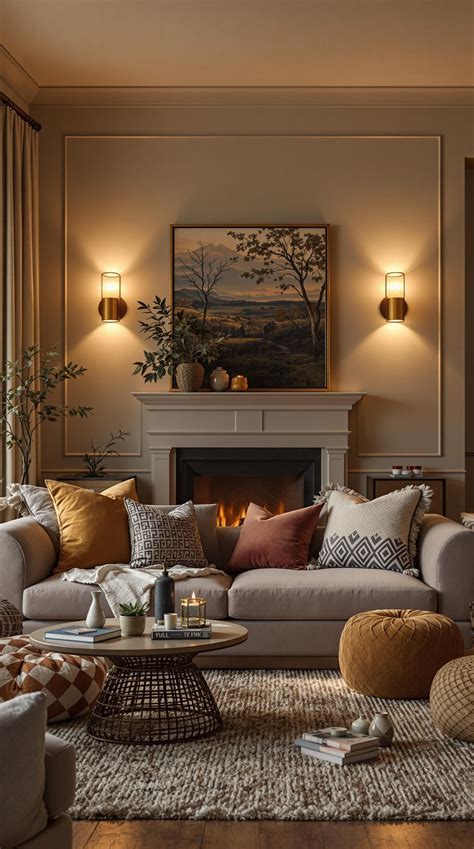
Lighting plays a massive psychological role in how we perceive temperature within a space. If your living room relies entirely on bright, cool-white overhead bulbs, your gray tiles will look even icier. Transitioning to layered, warm ambient lighting can completely shift the mood of the room after sunset. Aim for bulbs in the 2700K to 3000K range to emit a soft, golden glow that brings out the warmer notes in your decor.
Incorporate multiple light sources rather than relying on a single overhead fixture. Place table lamps on sideboards, add a stylish floor lamp in a dim corner, and consider using warm accent lighting behind your television or bookshelves. The interplay of shadows and warm light pools breaks up the monotony of flat surfaces and makes the entire floor feel less austere.
5. Soften the Hard Edges with Lush, Organic Greenery
Living rooms with tile floors can sometimes feel clinical or sterile, particularly if the tiles are a uniform, monochromatic gray. Bringing living plants into the space introduces organic shapes, vibrant color, and natural movement that instantly softens hard architectural lines. Tall statement plants like a fiddle-leaf fig, a stately monstera, or a grouping of cascading pothos placed on high shelves can draw the eye upward away from the floor.
To tie the plants into your warm-up strategy, house them in terracotta, ceramic pots with warm glazes, or woven baskets made from seagrass or rattan. These natural planters add another layer of tactile warmth to the room while reinforcing an earthy, welcoming palette that complements both the green foliage and the gray tile beneath your feet.
6. Integrate Renter-Friendly Heating and Insulation Solutions
If you live in a colder climate, the physical chill radiating from tile floors can be hard to ignore even with rugs. For homeowners, installing radiant underfloor heating is a permanent solution, but renters and budget-conscious designers have plenty of effective alternatives. Strategic placement of targeted plug-in infrared space heaters can safely warm the living zone without overheating the rest of your home.
You can also look into specialized thermal rug underlays designed to block cold drafts rising from uninsulated subfloors. These practical additions make a noticeable difference in how your living room feels during the dead of winter, proving that you do not need a major renovation to make your gray tile floors wonderfully livable and cozy.
Frequently Asked Questions
How can I make my living room look less cold with gray tile floors?
You can neutralize the cold look of gray tiles by introducing warm color accents like terracotta, mustard, and cream, layering high-pile rugs, and incorporating rich wood tones through furniture and accessories to create visual balance.
What type of rugs work best over tile in a living room?
Thick wool rugs, plush vintage styles, and layered combinations featuring a natural jute base topped with a softer accent rug work best. Always use a quality non-slip rug pad underneath to prevent slipping on smooth tile surfaces.
Are there renter-friendly ways to warm up cold tile floors?
Yes. Renters can use large area rugs with thermal backing, add chunky knit throws and heavy floor cushions, and style the space with warm wood furniture and strategic amber-toned lighting to counteract the cold ambiance.


