Living in a compact urban apartment often means making compromises on square footage, but it should never mean sacrificing comfort or personal style. When floor space is strictly limited, every single square inch matters. Transforming a cramped layout into an open, inviting sanctuary requires a strategic blend of visual tricks, smart furniture investments, and disciplined organizational habits. Whether you are dealing with a studio apartment or a modest multi-room rental, applying the right design principles creates an immediate sense of expansion and architectural breathing room.
Achieving a spacious feel without tearing down walls comes down to managing how light travels, how furniture interacts with human traffic patterns, and how belongings are stored out of sight. Many traditional interior design rules do not translate well to smaller footprints, requiring a shift toward multifunctional layouts and vertical thinking. Below is a comprehensive collection of actionable interior design concepts tailored to help you maximize your limited space effectively, blending aesthetic charm with everyday practicality.
Optical Illusions and Paint Strategies
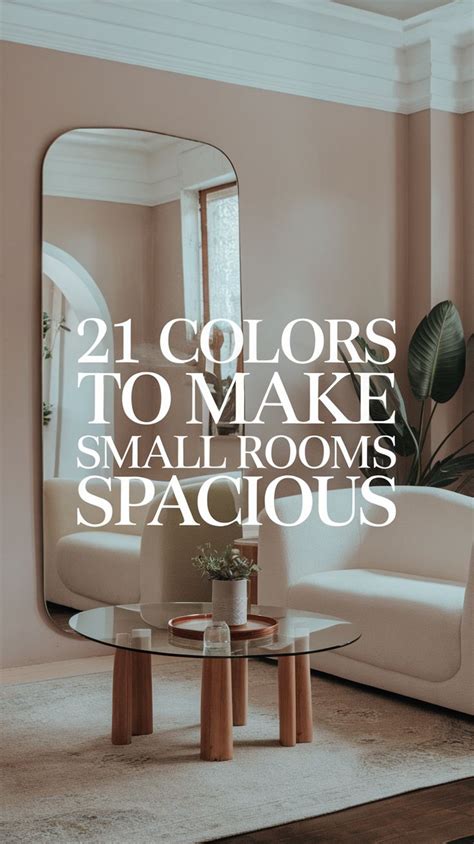
Color choice and visual continuity play monumental roles in how the human eye perceives physical boundaries. Dark, highly saturated walls tend to absorb light, making tight rooms feel remarkably enclosed and heavy. Opting for cohesive, light-reflecting color palettes blurs the sharp edges of a room, allowing walls to visually recede and expanding the perceived volume of your living quarters.
Beyond standard wall paint, continuous flooring throughout adjacent zones eliminates visual speedbumps that break up small footprints. When the flooring flows seamlessly from the entryway into the living and dining areas, the brain interprets the entire zone as a single expansive expanse rather than a collection of cramped boxes. Area rugs can still be used strategically to define zones, but keeping the base flooring unified works wonders for openness.
1. Embrace Monochromatic Wall and Trim Palettes
Painting your baseboards, moldings, and doors the exact same shade as your walls eliminates visual clutter. This technique removes the harsh framing effects of contrasting trim, tricking the eye into seeing continuous surfaces that make ceilings feel taller and rooms feel wider.
2. Choose Light, Reflective Neutral Tones
Soft whites, pale grays, and warm beige hues maximize natural illumination by bouncing sunlight around the room. These shades serve as a blank canvas, allowing natural light to penetrate deeper into interior corners that might otherwise remain shadowed.
3. Paint Vertical Accent Stripes
If you want to introduce pattern without overwhelming a compact room, subtle vertical stripes draw the eye upward toward the ceiling. This classic optical illusion immediately counters low-ceiling constraints typical of older apartment buildings.
4. Use High-Gloss Finish on Ceilings
While matte finishes absorb light, a coat of high-gloss or semi-gloss paint on the ceiling creates a subtle reflective plane. This mirror-like quality bounces light downward and visually doubles the overhead height of the room.
Multi-Functional Furniture Solutions
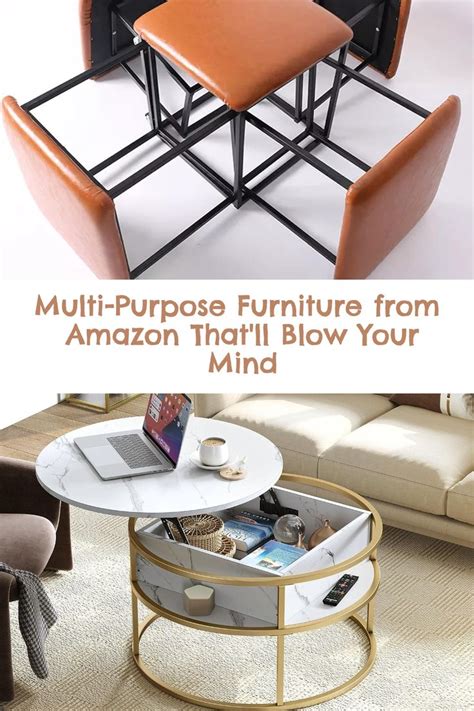
Traditional living room suites featuring massive sofas, heavy coffee tables, and matching sideboards quickly overwhelm modest floor plans. In a compact home, every single furniture piece must earn its keep by serving multiple distinct functions or offering hidden storage compartments. Investing in adaptable furnishings ensures your rooms remain flexible for working, lounging, and entertaining.
Scale is another critical factor frequently overlooked when furnishing small apartments. Oversized furniture creates immediate congestion, blocking natural walking paths and making rooms feel claustrophobic. Selecting pieces with exposed legs allows light to pass underneath furniture, creating a lighter visual footprint that keeps the floor plane feeling open and continuous.
5. Invest in Storage Ottomans
An upholstered ottoman with a lift-off lid provides a comfortable spot to rest your feet while concealing extra throw blankets, board games, or seasonal accessories out of sight. It easily doubles as extra seating when guests drop by.
6. Choose Nesting Coffee Tables
Nesting tables offer incredible flexibility for daily living. You can tuck them neatly together to maximize floor space during the day, then pull them apart when you need surface area for drinks and laptops.
7. Opt for Drop-Leaf Dining Tables
Dining space is often at a premium in apartments. A drop-leaf table folds flat against the wall when not in use, instantly converting a dining zone into an open workout or play area.
8. Select Sofas with Exposed Legs
Heavy, floor-skimming sofas block visual sightlines and make rooms feel heavy. Sofas raised on slender wooden or metal legs let light travel underneath, tricking the eye into registering more floor space.
Vertical Space Utilization
When horizontal square footage is exhausted, looking upward remains your greatest design asset. Most apartment dwellers restrict their decorating efforts to eye level, leaving valuable wall space completely bare. Capitalizing on vertical real estate draws attention away from tight floor dimensions and keeps essential items organized without eating into precious walking areas.
Installing wall-mounted systems also simplifies floor cleaning and reduces visual clutter. By keeping surfaces clear of everyday items, your apartment instantly assumes a cleaner, more minimalist silhouette that inherently feels more expansive and serene.
9. Install Floor-to-Ceiling Shelving
Tall bookcases anchored securely to the wall draw the gaze upward and provide massive storage capacity. Style these shelves with a mix of books, baskets, and breathing room to prevent a heavy, cluttered look.
10. Hang Floating Desks
A wall-mounted drop-down desk creates an instant home workstation without the bulky legs of a traditional desk. When closed, it hugs the wall cleanly and disappears into the background.
11. Utilize Over-the-Door Organizers
The interior sides of pantry, bathroom, and bedroom doors represent untapped storage goldmines. Hanging pocket organizers keep toiletries, cleaning supplies, and accessories organized and completely hidden from view.
12. Mount Televisions on Walls
Eliminating a bulky media console frees up critical floor space. Mounting your TV directly to the wall creates a sleek, modern aesthetic and allows you to slide slim storage baskets underneath.
Lighting and Mirror Placement
Lighting can completely alter the emotional atmosphere and spatial perception of a room. Relying solely on a single overhead flush-mount fixture casts harsh shadows in corners, making a room feel smaller and more enclosed. Layering ambient, task, and accent lighting opens up dark pockets and creates depth.
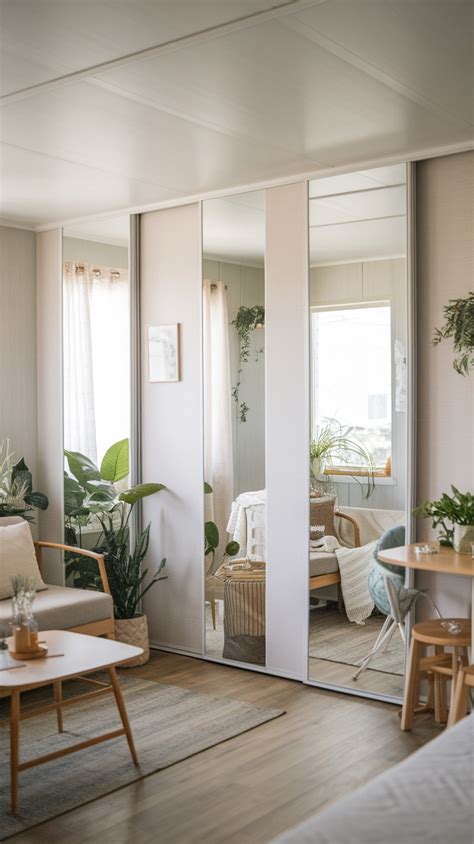
Mirrors serve as the ultimate interior design hack for tight spaces, acting as virtual windows that bounce natural daylight across the room. Placing a large mirror opposite a window instantly doubles the amount of perceived light and opens up sightlines across the apartment.
13. Hang Oversized Floor Mirrors
A tall, lean mirror propped against a living room or bedroom wall creates the illusion of an adjoining room. It reflects natural light deeply into the interior and breaks up large expanses of blank drywall.
14. Replace Floor Lamps with Sconces
Plug-in wall sconces illuminate reading nooks or bedside areas without requiring floor or table space. They provide targeted lighting while keeping surfaces completely unobstructed.
15. Layer Multiple Light Sources
Combine overhead lighting with table lamps, floor lamps, and LED strip lighting behind furniture. Multiple light sources eliminate dark shadows, making the entire room feel brighter and larger.
16. Incorporate Glass and Acrylic Furniture
Transparent ghost chairs or glass-topped coffee tables virtually disappear into a room’s decor. They maintain functional surface areas while allowing unobstructed sightlines through the entire space.
Decluttering and Minimalist Storage Hacks
Physical clutter is the absolute enemy of spacious interior design. When every surface is crowded with miscellaneous items, the brain experiences visual overload, making even a generously sized room feel cramped. Adopting disciplined storage habits ensures your belongings have designated homes, preserving the clean sightlines necessary for an airy environment.
Renter-friendly organizational systems allow you to maximize closets and cabinets without making permanent modifications that violate lease agreements. Utilizing stackable bins, drawer dividers, and vacuum-sealed bags unlocks hidden capacity in standard builder-grade storage spaces.
17. Use Uniform Storage Bins
Swap mismatched cardboard boxes and plastic bags for cohesive woven baskets or matching fabric bins. Uniform storage instantly calms visual chaos on open shelving or inside closets.
18. Implement Drawer Dividers Everywhere
Organizing kitchen utensils, bathroom toiletries, and dresser drawers maximizes every cubic inch of internal storage. When items stop shifting around, you can comfortably fit significantly more belongings in smaller spaces.
19. Vacuum-Seal Out-of-Season Clothing
Bulky winter coats and heavy blankets consume entire bedroom closets. Storing them in vacuum compression bags reduces their volume by up to eighty percent, freeing up prime wardrobe real estate.
20. Keep Countertops Clear
Adopt a strict one-in, one-out rule for kitchen and bathroom countertops. Keeping surfaces completely clear of small appliances and clutter makes cleaning easier and rooms feel twice as large.
Zoning Open-Concept Small Spaces
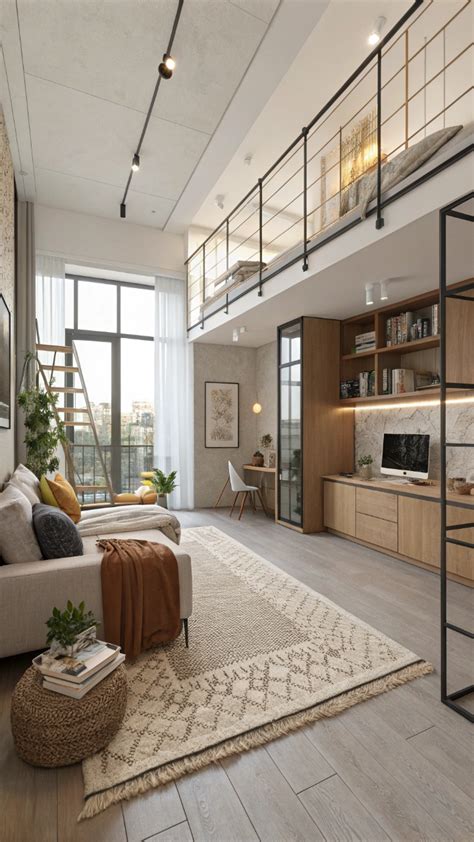
Studio apartments and open-concept floor plans present a unique spatial challenge: how to separate functions like sleeping, working, and dining without building physical walls. Without clear functional zones, open spaces quickly devolve into a chaotic, disorganized jumble where furniture floats aimlessly.
Creating distinct zones relies on strategic furniture arrangement and tactile cues rather than permanent construction. By defining boundaries with area rugs, room dividers, and clever sofa placements, you create a sense of order and purpose that makes compact living feel luxurious and intentional.
21. Anchor Living Areas with Large Rugs
A generously sized area rug anchors your seating arrangement, visually separating the living room zone from an adjacent entryway or kitchen. Ensure at least the front legs of your furniture rest on the rug.
22. Use Open Bookshelves as Room Dividers
A double-sided open bookcase placed perpendicularly to a wall creates a physical barrier between a bed and a living space without blocking natural light from passing through the shelves.
23. Hang Ceiling-Track Curtains
Installing a ceiling-tracked curtain allows you to tuck away a sleeping alcove or a home office during the day. It offers instant privacy and architectural flexibility for studio renters.
24. Arrange Furniture Away from Walls
Counterintuitively, pushing every piece of furniture flat against the perimeter walls often accentuates the bowling-alley feel of a narrow room. Pulling seating inward creates an intimate, intentional conversation hub.
Smart Architectural and Decorative Tricks
Minor decorative adjustments and hardware swaps can significantly elevate the perceived quality and scale of an apartment. When architectural details are carefully managed, the eye focuses on craftsmanship and flow rather than spatial limitations.
Even renters can execute these design strategies to inject personality and luxury into standard apartment interiors without risking their security deposits or violating lease terms.
25. Hang Curtain Rods Near the Ceiling
Mount your curtain rods just a few inches below the crown molding rather than directly above the window frame. This simple trick lengthens the wall visually, making standard windows appear grand and expansive.
26. Choose Floor-Length Drapery
Ensure your window panels sweep all the way to the floor rather than stopping short at the windowsill. Puddling or lightly grazing the floor draws the eye downward along a clean vertical line.
27. Swap Out Standard Interior Hardware
Upgrade generic builder-grade cabinet pulls, doorknobs, and faucet fixtures with stylish hardware in matte black or brushed brass. Cohesive hardware elevates the entire aesthetic instantly.
28. Scale Down Artwork and Decor
Instead of crowding small walls with massive gallery frames, choose one or two appropriately scaled statement pieces. Negative space around artwork is crucial for making walls feel breathable.
Renter-Friendly Upgrades That Expand Space
Renters often feel powerless when it comes to customizing their living environments due to strict landlord restrictions against painting, drilling, and permanent renovations. However, temporary adhesive products and clever styling make it remarkably easy to achieve a custom, spacious look.
Focusing on non-permanent solutions lets you enjoy high-end design flexibility that moves with you when your lease eventually expires.
29. Use Peel-and-Stick Wallpaper
Create a striking accent wall using removable wallpaper in a soft, large-scale botanical or geometric print. It adds depth and texture without leaving sticky residue behind upon removal.
### 30. Install Adhesive Command Hooks
Hang lightweight mirrors, floating ledges, and framed art using heavy-duty damage-free hanging strips. This eliminates nail holes entirely while allowing you to personalize your walls.
31. Lay Interlocking Floor Tiles
Transform dated or stained rental balcony flooring or linoleum kitchen strips using modular, snap-together wood or stone tile decks that require no glue or permanent fasteners.
32. Add Under-Cabinet Lighting Strips
Peel-and-stick battery or USB-powered LED light bars illuminate dark kitchen prep spaces instantly, brightening the entire room and adding a high-end architectural feel.
Daily Habits to Maintain an Open Feel
Even the most meticulously designed apartment will quickly feel cramped if daily maintenance falls by the wayside. Maintaining an illusion of spaciousness requires consistent lifestyle habits that prevent clutter from accumulating across flat surfaces.
Embracing a minimalist mindset ensures your investment in clever design pays off every single day.
33. Practice the Daily Five-Minute Reset
Spend five minutes every evening returning items to their designated storage bins, fluffing pillows, and clearing coffee tables. Waking up to an orderly home sets a calm tone for the day.
34. Keep Walkways Completely Clear
Never store shoes, backpacks, or gym bags directly in apartment entryways or hallways. Maintaining unobstructed walking paths keeps the energy flowing freely through the home.
35. Limit Decorative Knick-Knacks
Edit your decorative accessories ruthlessly. Group treasured items into curated vignettes rather than scattering small objects across every available tabletop.
36. Maximize Natural Sunlight Daily
Open all blinds and curtains first thing every morning to flood your apartment with daylight. Natural illumination remains the absolute best tool for expanding small spaces instantly.
Frequently Asked Questions
How can I make a small living room feel bigger without buying new furniture?
You can instantly expand a small living room by clearing clutter off all flat surfaces, hanging your curtain rods near the ceiling, propping up a large floor mirror to reflect light, and pulling your existing furniture slightly away from the walls to create an intimate, breathable layout.
What paint colors work best to make a small apartment feel spacious?
Soft, light-reflecting neutrals such as warm whites, pale creams, and light airy grays work best because they bounce natural light around the room. Painting your baseboards, doors, and moldings the exact same color as the walls also eliminates visual boundaries to create a seamless, expansive look.
How do I maximize storage in a rental apartment without drilling holes?
Renters can maximize storage by utilizing over-the-door hanging organizers, freestanding floor-to-ceiling shelving units, under-bed storage bins, and heavy-duty adhesive hooks. Vacuum-compression bags also help store bulky winter clothing and extra bedding compactly inside standard closets.
What kind of furniture works best in limited spaces?
Furniture with exposed legs, multi-functional designs like storage ottomans, nesting coffee tables, and drop-leaf tables work exceptionally well in limited spaces. These pieces maintain a light visual footprint while providing hidden utility without congesting the floor plan.


