One of the most frequent design missteps in American homes is choosing an area rug that is simply too small for the room. When a rug floats disconnectedly in the center of a space with all furniture lingering on the bare floor, it makes the entire room feel disjointed and smaller than it actually is. Transitioning to medium, large, or extra-large area rugs anchors your furniture arrangements, defines distinct zones in open-concept floor plans, and introduces necessary texture and warmth underfoot.
Understanding how physical dimensions interact with standard U.S. furniture scales—such as standard 84-inch sofas or six-person dining tables—ensures your investment elevates your interior. By evaluating spatial proportions, border clearances, and furniture placement layouts, you can select a foundation piece that instantly pulls your entire room design together.
The Golden Rule of Sizing: Going Bigger Than You Think
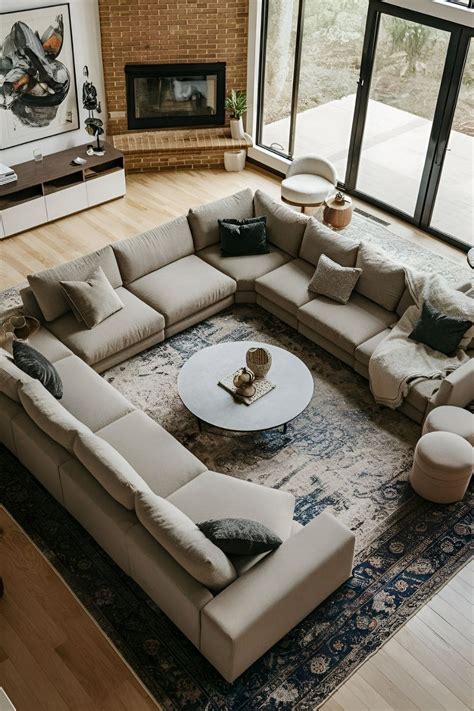
When shopping for floor coverings, homeowners often hesitate to scale up due to concerns that a large format will overwhelm the room. In practice, however, a rug that extends generously beneath your seating or bed frame creates an illusion of expansiveness. Interior designers consistently recommend choosing a size that allows at least the front legs of major seating pieces to rest comfortably on the fabric.
A helpful physical visualization method before purchasing is to map out the proposed dimensions directly on your floor using blue painter’s tape. This simple exercise lets you test whether an 8×10 or a 9×12 format appropriately bridges your sofa and accent chairs. Leaving a consistent margin of 12 to 18 inches of exposed hardwood or tile around the perimeter of the room keeps the space feeling balanced without swallowing the floor entirely.
Living Room Layouts: Medium to Extra-Large Applications
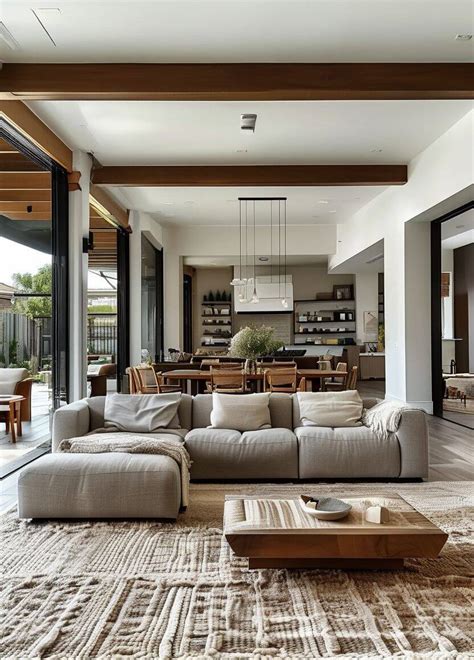
Living rooms require careful planning because they often anchor multiple functional zones, from television viewing areas to reading corners. For a standard mid-size living room, a medium 6×9 rug can work if furniture is placed completely off the textile, though a large 8×10 option is usually far more forgiving. An 8×10 rug easily accommodates a standard three-seater sofa and two armchairs when the front legs of each piece rest on the surface.
In expansive open-concept living spaces typical of modern American construction, extra-large formats measuring 9×12 or 10×14 shine. These oversized rugs allow you to place all furniture legs entirely on the rug, creating a luxurious, custom-tailored perimeter that unifies disparate seating elements. Floating your furniture entirely within the boundaries of a large rug prevents the room from looking fragmented and adds a layer of acoustic softness.
Dining Room and Bedroom Sizing Considerations
Dining rooms demand a completely different sizing logic because you must account for chairs moving outward as guests sit down and stand up. A reliable rule of thumb is to measure your dining table surface and add at least 24 to 30 inches to all sides. This extra clearance ensures that when dining chairs are pulled out, their back legs remain securely on the rug rather than catching awkwardly on the edge.
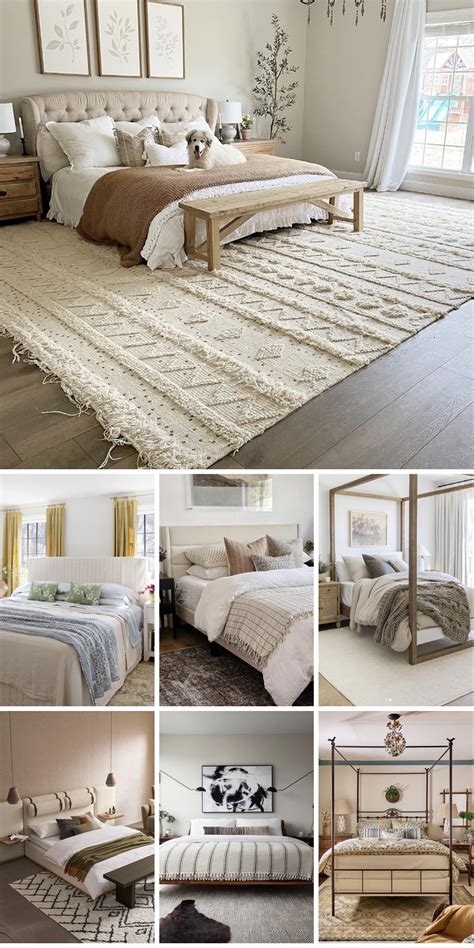
In the bedroom, the primary goal is waking up to a soft, warm surface rather than cold hardwood or carpet tack strips. For a Queen-size bed, an 8×10 rug positioned horizontally beneath the lower two-thirds of the mattress provides ample coverage on both sides. For a larger King-size bed, stepping up to a 9×12 rug ensures the side proportions remain balanced and visually anchored to your nightstands and bed frame.
Common Pitfalls to Avoid When Buying Rugs
One of the most persistent errors is relying on visual estimation in a showroom rather than taking precise measurements of your room and furniture footprint. Showrooms feature soaring ceilings and expansive open floors that drastically distort how large a textile will actually look in a standard residential living room or bedroom. Always measure twice, account for door swing clearances, and verify your furniture dimensions before finalizing a purchase.
Another frequent misstep is ignoring traffic patterns and lifestyle needs when selecting rug dimensions. Choosing a rug that blocks a primary walkway or forces half-steps onto uneven edges creates daily frustration. By prioritizing generous medium-to-large sizing that accommodates your actual furniture layout, you achieve a harmonious balance of everyday comfort, safety, and sophisticated interior design.
Frequently Asked Questions
What size area rug do I need for a standard U.S. living room?
For most standard U.S. living rooms with a full-size sofa and a couple of armchairs, an 8×10 area rug is the most versatile choice. It allows the front legs of your seating furniture to rest on the rug, grounding the entire conversation area.
Should all furniture legs be on the rug or just the front legs?
Both approaches work well depending on room size. Placing all furniture legs on the rug creates a luxurious, cohesive zone, which works best in large rooms. Having just the front legs on the rug is ideal for medium spaces, as it visually anchors the seating without requiring an oversized format.
How much bare floor space should remain around the edges of the rug?
In most standard rooms, leaving 12 to 18 inches of bare flooring exposed around the perimeter of the rug looks proportional. In smaller rooms or irregular spaces, a slightly smaller margin of 8 to 10 inches can also work effectively.
How do I size a dining room rug correctly?
Measure your table top and add at least 24 to 30 inches to every side. This ensures that when people pull their chairs out to sit down, the chair legs stay completely on the rug instead of catching on the edge.


