Designing a compact living room in a typical American apartment requires a careful balance between aesthetic ambitions and spatial realities. Whether you live in a historic brownstone walk-up or a modern downtown high-rise, square footage is often at a premium. Rather than viewing tight dimensions as a severe limitation, thoughtful design treats compact footprints as an invitation to curate intentional, highly functional environments that support everyday living without feeling cluttered or confined.
Maximizing a small layout successfully relies on strategic choices that influence how light moves, where storage hides, and how scale is perceived. By focusing on multi-purpose furnishings, clever vertical arrangements, and renter-friendly adjustments, you can transform an ordinary studio or apartment lounge into an inviting sanctuary tailored to your exact lifestyle and daily routine.
Embracing Multi-Functional and Scaled Furniture
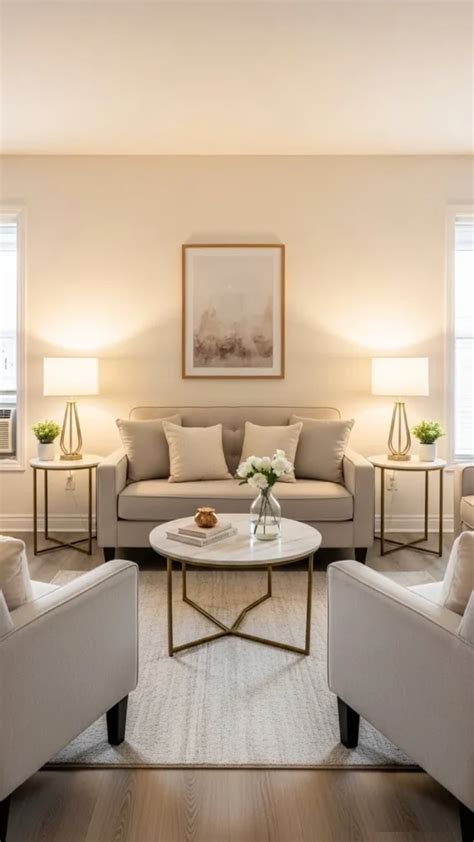
Choosing the right furniture pieces is the single most impactful decision you can make for a compact living room layout. Oversized sectional sofas and massive coffee tables frequently overwhelm small footprints, restricting movement and visual breathing room. Instead, look for streamlined silhouettes with exposed legs, which allow light to pass underneath and create an instant illusion of expansiveness across the floor.
Multi-functional pieces serve dual purposes without demanding extra floor space in tight urban apartments. Consider nesting coffee tables that tuck neatly away when floor space is needed for exercise or entertaining, or storage ottomans that conceal extra throws and media accessories out of sight. Modular seating systems also offer incredible flexibility, allowing you to reconfigure your seating layout as your spatial needs shift over time.
When selecting seating, opt for armless chairs or low-profile loveseats that maintain open sightlines from the entryway into the rest of the room. A sofa with built-in under-seat drawers or a sleeper mechanism adds guest accommodation capabilities without requiring a dedicated guest room. Balancing visual weight ensures that every item in your living room earns its place through both comfort and practical utility.
Maximizing Vertical Space and Renter-Friendly Storage
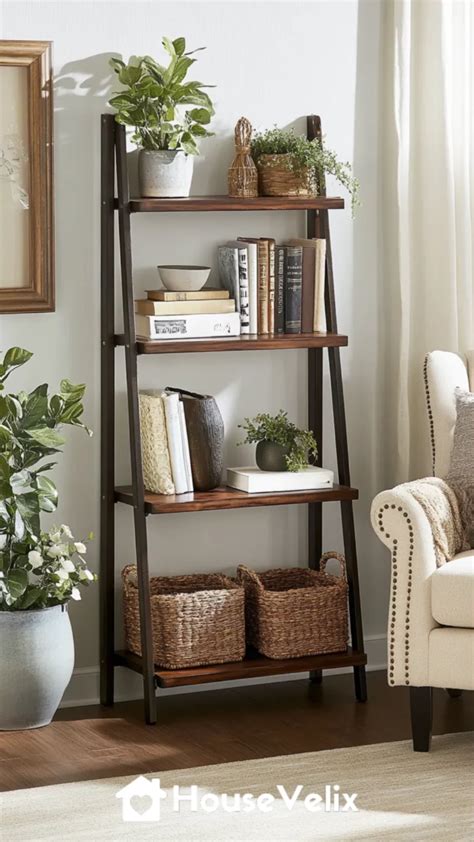
When horizontal square footage is severely limited, looking upward unlocks hidden potential across your living area. Floor-to-ceiling shelving units draw the eye upward, emphasizing room height while providing ample storage for books, plants, and decorative objects. This technique keeps everyday clutter off the floor, instantly making the overall footprint feel much more open and organized.
For apartment renters who cannot drill permanent holes into drywall or damage landlord property, tension-rod shelving systems and heavy-duty adhesive wall mounts offer viable alternatives. Leaning ladder shelves provide sturdy vertical storage while resting gently against the wall with minimal hardware requirements. Pairing these vertical displays with matching storage baskets creates a cohesive look that conceals smaller items seamlessly.
Consider utilizing the back of living room doors or dead corners for vertical hanging organizers or slim profile bookcases. Magnetic strips can hold lightweight metal accessories, while over-the-door hooks keep tote bags and wraps tidy. By treating walls as three-dimensional storage assets rather than flat planes, you eliminate surface clutter without sacrificing personal style.
Strategic Lighting and Color Palettes for Openness
Illumination plays a vital role in expanding the perceived boundaries of a small room. Relying solely on a harsh overhead ceiling fixture can cast heavy shadows and shrink the space visually. Instead, layer your lighting by combining floor lamps, compact table lamps, and wall sconces to distribute a warm, ambient glow throughout the entire seating zone.
Color selection further enhances this sense of openness in compact living rooms. Soft, neutral color palettes—such as warm whites, muted grays, and pale earthy tones—reflect natural sunlight effectively around the room. If you prefer bolder hues, consider applying them to smaller accent pieces, textiles, or an art wall rather than painting every surface dark, which can make compact urban apartments feel enclosed.
Incorporate reflective surfaces strategically to bounce light deeper into dark corners. A large frameless mirror hung opposite a window amplifies daylight, while glass or acrylic accent tables maintain visual transparency. Combining these lighting and color choices creates a bright, airy atmosphere that visually expands even the narrowest apartment floor plans.
Frequently Asked Questions
How can I make a small apartment living room look bigger?
To make a small living room feel larger, prioritize furniture with exposed legs, incorporate full-length mirrors to reflect light, keep window treatments sheer and airy, and maintain a clutter-free floor plan by utilizing vertical wall storage.
What kind of furniture works best in compact US apartments?
Streamlined, multi-functional furniture works best, such as nesting tables, sleeper sofas for guests, storage ottomans, and modular seating that can be easily reconfigured to suit different layouts and occasions.
How do I arrange furniture in a narrow or small living room?
Float furniture slightly away from the walls rather than pushing every piece against the perimeter to create a more balanced flow. Use low-profile seating to maintain clear sightlines across the room.
What are renter-friendly ways to decorate a small living room?
Renter-friendly decorating strategies include using peel-and-stick wallpaper, leaning shelving units instead of drilling heavy wall anchors, layering area rugs to define zones without permanent flooring changes, and utilizing plug-in wall sconces.


