Adding open shelving transforms empty wall space into functional display areas, but finding the right approach depends entirely on your living situation. While American homeowners often prioritize heavy-duty structural anchoring to support substantial dishware or book collections, renters face the strict challenge of maximizing vertical storage without violating lease agreements or risking security deposits. Balancing aesthetic appeal with structural safety requires understanding standard U.S. residential construction, such as typical drywall thicknesses and 16-inch wall stud centers.
This comprehensive guide explores 21 distinct DIY floating shelf projects designed to bridge that gap. By breaking down projects into renter-friendly adhesive or micro-anchor systems alongside robust, stud-mounted woodworking plans, you can find a reliable blueprint that fits your exact room layout, budget, and skill level. Whether you are shopping for dimensional lumber at a local big-box hardware store or utilizing basic hand tools in an apartment living room, these projects provide clear execution paths.
Understanding U.S. Wall Construction and Safety Basics
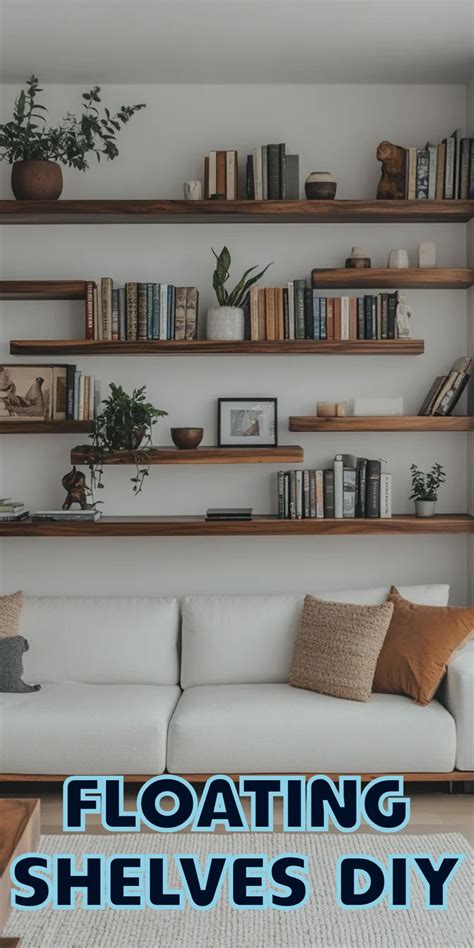
Before driving a single screw or applying mounting tape, assessing your wall type is critical for preventing property damage or structural failure. Most modern American residential interior walls consist of half-inch drywall panels fastened to vertical wood framing members known as studs. Standard construction typically places these studs on 16-inch centers, though 24-inch spacing can occasionally appear in non-load-bearing partitions or older homes. Using an electronic stud finder alongside a simple tap test ensures your brackets anchor into solid wood rather than hollow drywall alone.
Ignoring hidden utilities behind the drywall remains one of the most hazardous pitfalls in DIY home improvement. Electrical wiring typically runs vertically alongside studs or horizontally through drilled holes at standard switch and outlet heights, while plumbing supply lines may lurk behind bathroom and kitchen walls. Always cross-reference your drilling spots with the locations of nearby outlets and switches, and consider investing in a basic wall scanner that detects live AC voltage. Taking these precautionary steps protects your home’s infrastructure and ensures your finished shelving safely supports your decorative items.
Renter-Friendly Floating Shelf Projects (Lease-Safe & Damage-Free)
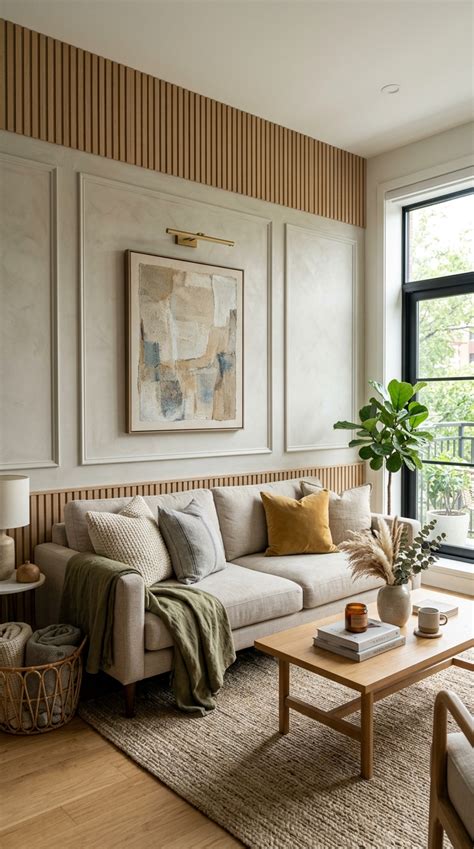
Renters frequently struggle to find attractive shelving options that do not trigger costly lease violations upon moving out. Fortunately, modern adhesive technologies and micro-fastener hanging systems allow you lightweight shelving alternatives that leave minimal traces behind. These projects focus on distributing weight effectively while utilizing removable mounting strips or tiny pin-holes that can be easily patched with standard spackle.
- Project 1: The Command Strip Ledge – Utilizing heavy-duty picture-hanging strips, this ultra-lightweight balsa wood ledge holds small succulents and framed photos without a single nail hole.
- Project 2: The Tension Rod Display Shelf – Perfect for laundry rooms or kitchen windows, this project wedges between window frames or cabinet sides without anchoring hardware.
- Project 3: Micro-Pin Art Hanging Shelves – Using tiny, multi-pin hanging brackets that leave microscopic holes, this sturdy display accommodates spice jars or lightweight paperback books.
- Project 4: Over-the-Door Hanging Cubbies – Hanging securely over standard interior doors, this vertical storage unit requires zero wall contact while adding substantial capacity.
- Project 5: Adhesive Corner Triangular Shelves – Corner installations maximize unused angles in small apartments using high-bond acrylic tape rated for up to five pounds.
- Project 6: The Freestanding Leaner Shelf – Leaning against the wall with rubber anti-slip feet, this tall wooden ladder shelf provides multi-tier storage with zero wall attachment.
- Project 7: Command Hook Basket Shelf – Suspending a shallow woven basket from heavy-duty adhesive hooks creates a rustic catch-all drop zone in entryways.
Heavy-Duty Anchored Shelves for Homeowners
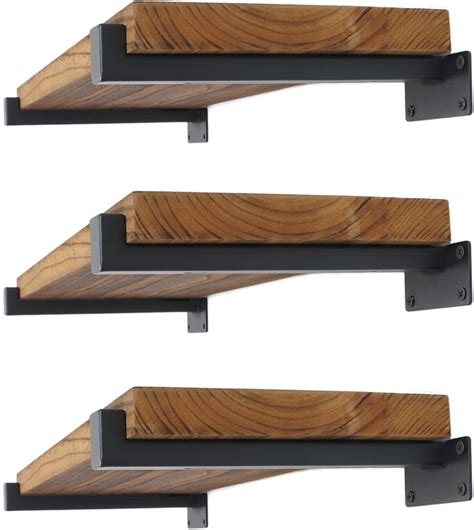
Homeowners looking to store heavy kitchenware, dense book collections, or solid wood decor require robust anchoring solutions tied directly into wall framing. By fastening concealed steel bracket systems or heavy-duty internal support posts into wall studs, you create an unbreakable connection capable of holding significant weight. Sourcing standard dimensional lumber like 2×8 or 2×10 boards from local hardware suppliers ensures authentic wood grain and exceptional durability.
- Project 8: The Thick Box-Beam Floating Shelf – Built using lightweight 1x lumber wrapped around a secured 2×4 cleat, this project delivers a chunky, high-end custom look without excessive weight.
- Project 9: Concealed Steel Rod Shelf – Drilling precision holes into the back of a hardwood slab to slide over heavy steel rods anchored to studs yields a sleek, minimalist illusion.
- Project 10: The Industrial Pipe-Supported Hybrid – While technically using visible brackets, black iron pipes mounted to studs offer a faux-floating aesthetic with immense industrial load capacity.
- Project 11: Reclaimed Barn Wood Heavyweight – Salvaged antique beams transformed with clear polyurethane sealant create stunning character pieces anchored by heavy-duty internal brackets.
- Project 12: Kitchen Pantry Oak Slab Planks – Dense oak boards sealed against moisture provide heavy-duty pantry storage secured with welded steel backplates hidden behind drywall.
- Project 13: The Fireplace Mantel Floating Beam – A substantial solid cedar beam mounted using a heavy-duty French cleat system securely anchors above fireplaces for seasonal decor.
- Project 14: Garage Heavy-Load Storage Ledge – Utilizes heavy structural lag screws and 2×10 lumber to create deep, indestructible workshop shelves for tool storage.
Budget-Friendly Lumberyard & Upcycled Projects
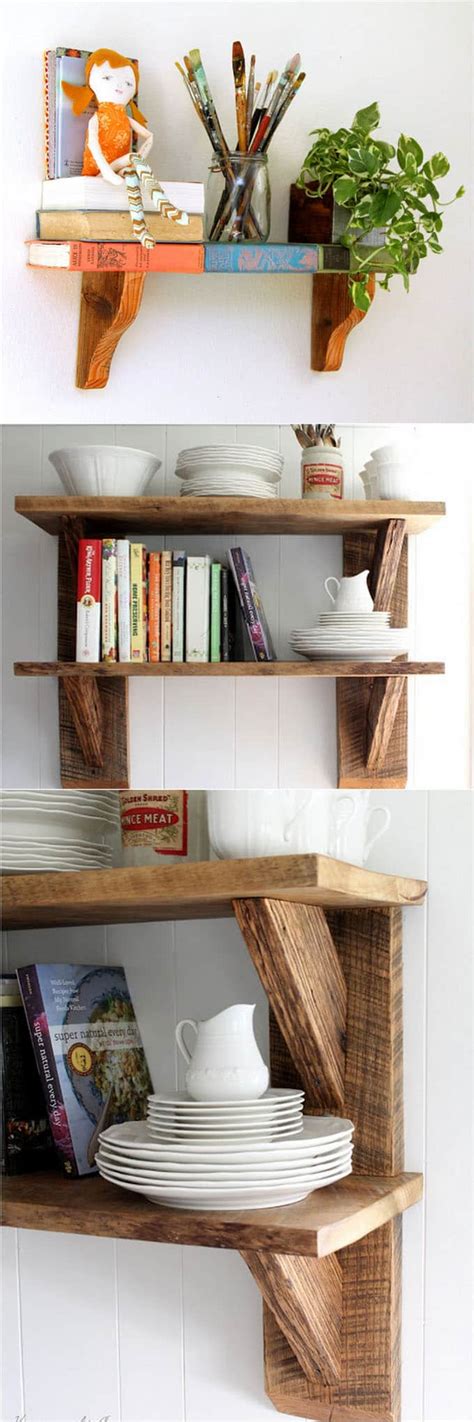
Custom shelving does not require an expansive woodworking shop or an expensive budget. Many of the most visually striking floating shelves rely on inexpensive whitewood boards, scrap plywood, or upcycled household items found at local thrift stores. By applying thoughtful sanding techniques, wood stains, or matte black paint, even budget-grade construction lumber can achieve a polished, designer finish.
- Project 15: The Plywood Sandwich Ledge – Gluing strips of plywood together creates a hollow core box that slips easily over a simple wooden cleat screwed into the wall.
- Project 16: Thrifted Drawer Box Shelf – Upcycling vintage wooden drawers by mounting them backward against the wall instantly creates built-in shadow-box display cubbies.
- Project 17: Whitewood Board with Keyhole Fasteners – Installing heavy-duty keyhole hangers flush into the back of a standard 1×6 board creates a clean flush-mount display for lightweight frames.
- Project 18: Leather Strap Suspended Shelf – Combining a simple pine board with loops of genuine or faux leather attached to wall anchors delivers a trendy bohemian aesthetic.
- Project 19: Stained Pine Bathroom Ledge – A single 1×8 pine board treated with dark walnut stain and polyurethane offers affordable moisture-resistant storage above bathroom vanities.
- Project 20: Pallet Wood Rustic Accent Shelf – Breaking down untreated wooden shipping pallets yields weathered slats that can be reassembled into charming, narrow display ledges.
- Project 21: The Edge-Glued Project Panel Shelf – Inexpensive pre-cut hobby boards from big-box retailers require minimal cutting, allowing beginners to complete a custom shelf in under an hour.
Weight Capacity and Styling Best Practices
Calculating the true weight capacity of any DIY floating shelf involves evaluating the weakest link in your installation chain. A shelf is only as strong as its wall anchors, bracket material, and the wood fasteners holding them together. Always verify whether your brackets screw directly into wood studs or rely on drywall toggle bolts. Toggle bolts significantly increase holding power in hollow walls compared to standard plastic anchors, but wood studs remain the gold standard for heavy loads exceeding thirty pounds.
Once your shelves are securely mounted, thoughtful styling prevents visual clutter while maintaining structural balance. Distribute heavier items, such as large art books or ceramic vases, closer to the wall mounting points to minimize leverage forces acting on the brackets. Layer decorative objects by varying heights, incorporating organic elements like small potted plants, and leaving intentional negative space. This balanced approach protects your drywall investment while turning utilitarian storage into an intentional design statement.
Frequently Asked Questions
How do you install floating shelves without damaging rental apartment walls?
Renters can use heavy-duty adhesive mounting strips, tension rods, or micro-pin hanging systems designed to support lightweight decor without leaving large holes. When moving out, any minor pin-holes can be easily filled with standard spackle and touched up with matching wall paint.
What is the maximum weight capacity of a standard DIY floating shelf?
Weight capacity varies widely based on the mounting method. Shelves anchored directly into wooden wall studs using heavy steel brackets can often support 50 to 100 pounds or more. Conversely, renter-friendly adhesive shelves are typically rated for 3 to 10 pounds maximum.
How do you find wall studs using standard US construction spacing?
Standard U.S. residential walls feature wood framing studs spaced 16 inches apart from center to center. You can locate them reliably by using an electronic stud finder, checking near electrical outlets which are usually attached to a stud side, or performing a gentle tap test to listen for solid versus hollow sounds behind the drywall.
What are the best free plans available for beginner woodworkers?
Beginner woodworkers should look for plans utilizing standard nominal lumber dimensions (such as 1×6 or 2×4 boards) that require simple straight cuts. Box-beam construction plans and cleat-mounted hollow shelves offer the best balance of structural stability and straightforward execution without requiring advanced joinery tools.


