Planning a large family reunion, a group scouting trip, or an extended weekend getaway in the great outdoors requires rethinking how you manage living space. When you move away from compact backpacking shelters and enter the realm of cabin-style architecture, comfort begins to mimic indoor living. One of the most prominent options in this category is the Ozark Trail 16-Person 3-Room Tent, a massive structure designed to accommodate crowds while maintaining distinct living zones.
Evaluating a shelter of this scale involves looking past marketing maximums and focusing on practical spatial dynamics. Homeowners and renters accustomed to well-organized interior rooms naturally look for similar zoning when camping. Understanding how a multi-room tent handles sleeping arrangements, privacy curtains, weather elements, and transport weight helps ensure your next outdoor excursion remains comfortable rather than chaotic.
Understanding the 3-Room Layout and Privacy Options
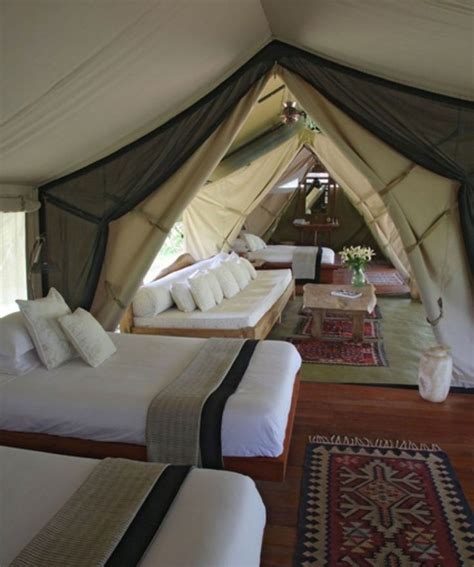
The defining characteristic of this shelter is its segmented interior architecture, which divides the floor plan into three separate areas using removable or zip-down privacy dividers. This compartmentalization mimics a small cottage, allowing different family units or individuals to have their own designated quarters without staring across a single open room.
In practical application, the central room often serves as a common area, mudroom, or gear storage zone, while the two flanking rooms function as sleeping quarters. This layout works exceptionally well for parents traveling with teenagers or groups of friends who want shared socialization space paired with nighttime privacy. However, users should note that fabric room dividers do not provide soundproofing, meaning noise carries easily throughout the structure despite the visual separation.
Evaluating Realistic Capacity and Sleeping Arrangements
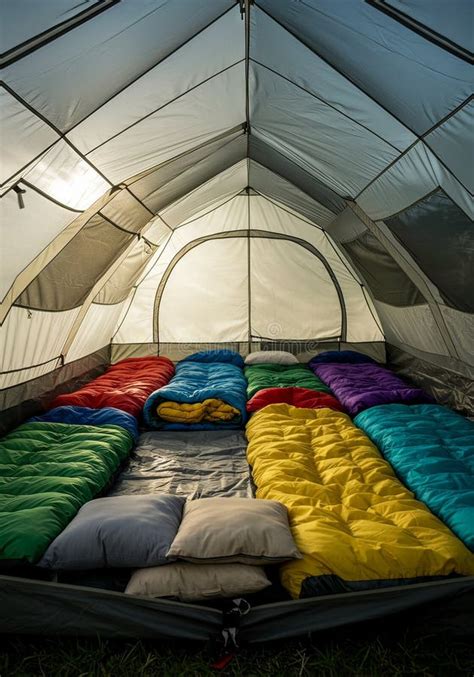
Manufacturer capacity ratings for large tents typically calculate the maximum number of sleeping bags that can be laid side-by-side across the floor. While the Ozark Trail 16-person designation suggests an enormous crowd, experienced campers know that comfort requires scaling those numbers down significantly to accommodate gear, luggage, and air mattresses.
A more realistic configuration for comfortable living involves housing four to six people total, allowing everyone a queen-sized or twin-sized air mattress with walking clearance between them. If you attempt to pack anywhere near sixteen adults inside, floor space becomes entirely consumed by sleeping pads, leaving zero room for clothing bags, coolers, or shifting weather gear. Treating the footprint as a spacious multi-room suite for a moderate-sized family yields a much more pleasant outdoor experience.
Setup Process and Structural Stability Considerations
Erecting a cabin tent of this magnitude is a multi-person project that requires patience, coordination, and clear communication. Unlike pop-up shelters that assemble in seconds, this model utilizes a system of steel and fiberglass poles, pin-and-ring systems, and numerous guy lines to maintain its tall, vertical walls.
First-time users should always practice setting up the tent in a backyard or local park before embarking on a remote camping trip. Managing long poles and heavy fabric panels in windy conditions can quickly become frustrating without prior familiarity. Once fully staked and guyed out, the cabin design offers impressive structural stability in moderate weather, though its high profile means it requires meticulous anchoring to withstand unexpected gusts.
Weather Resistance, Ventilation, and Airflow Management
Large multi-room structures present unique engineering challenges regarding weather protection and internal airflow. With large mesh ceilings, multiple windows, and a removable rainfly, this tent is engineered to promote cross-ventilation during warm summer evenings, preventing the interior from turning into a humid greenhouse.
When rain arrives, securing the taped-seam rainfly becomes critical to keeping the interior dry. Because of the sheer surface area of the walls and windows, campers must ensure all zippers are fully closed and storm flaps are properly secured before precipitation starts. While the shelter handles standard rain showers reliably, extreme downpours accompanied by heavy winds demand careful site selection and proper positioning of guy lines to prevent water pooling on the roof panels.
Frequently Asked Questions
Can the Ozark Trail 16-Person Tent be set up by one person alone?
While technically possible for highly experienced campers, it is strongly discouraged. The sheer size, pole length, and weight of the fabric make it a two- to three-person job for a smooth and safe assembly process.
Does the tent fit standard queen-sized air mattresses?
Yes, the floor plan easily accommodates multiple queen-sized air mattresses, particularly in the outer rooms. However, adding large air beds will reduce the total number of people who can fit comfortably inside each zone.
Is this tent suitable for all four seasons?
No, this model is designed primarily for warm-weather, three-season camping. Its extensive mesh paneling and high-profile cabin structure make it wonderful for spring, summer, and early fall, but unsuitable for heavy winter snow loads or freezing alpine conditions.
How heavy is the tent when packed down?
Due to its robust steel and fiberglass framing combined with heavy-duty polyester fabric, the packed weight is substantial. It is best suited for car camping where you transport the gear directly from your vehicle trunk to the campsite.


