Narrow furniture pieces like console, sofa, and entryway tables present a unique design challenge. Because these surfaces are shallow, they can easily look cluttered or feel neglected if you simply scatter random objects across them. However, when styled with intention, these transitional spaces become focal points that anchor a room, showcase personal style, and serve daily practical needs. Whether you live in a spacious suburban home or a compact urban apartment, mastering a few core styling principles will transform these flat surfaces into curated design statements.
Successful table styling relies on balancing visual weight, creating deliberate height variations, and integrating everyday utility. Instead of treating each table as a blank slate that needs total coverage, approach it as a composition of contrasting materials, shapes, and heights. By understanding the foundational rules that apply to all narrow surfaces, you can easily adapt your decor to fit an entryway, a hallway, or the back of a living room sofa.
The Universal Rules of Narrow Surface Styling
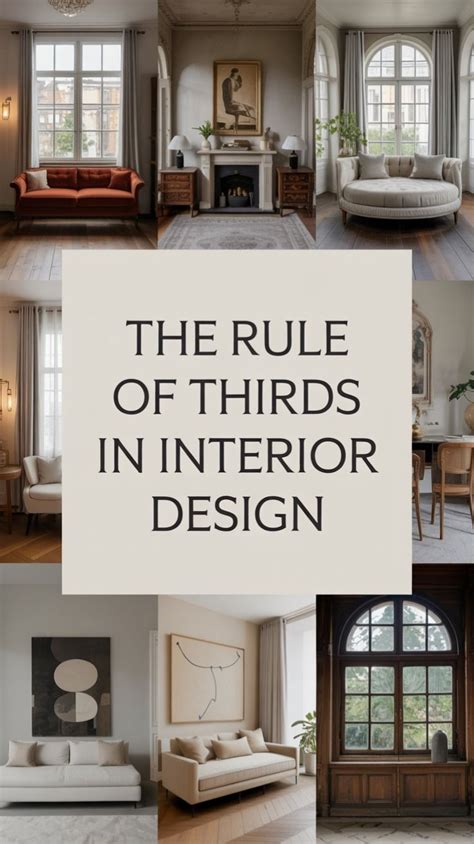
Before selecting specific decor items for any table, it helps to understand the foundational formulas interior designers use to create balanced displays. The most reliable guideline is the rule of threes, which suggests that objects arranged in odd numbers—particularly groups of three—are naturally more appealing to the human eye. Grouping items of varying heights and textures creates a dynamic triangle shape that guides the viewer’s gaze smoothly across the arrangement without causing visual fatigue.
Layering is another essential technique that prevents a narrow table from looking flat or two-dimensional. Instead of placing every item in a single straight row against the wall, position larger elements like framed art or a large mirror in the background, and layer smaller items like decorative bowls, stacked books, or small sculptures slightly in front. Leaving some negative space is equally important; a cluttered table loses its impact, so allow your favorite pieces room to breathe by keeping at least one-third of the surface completely clear.
How to Style an Entryway Table for a Warm Welcome
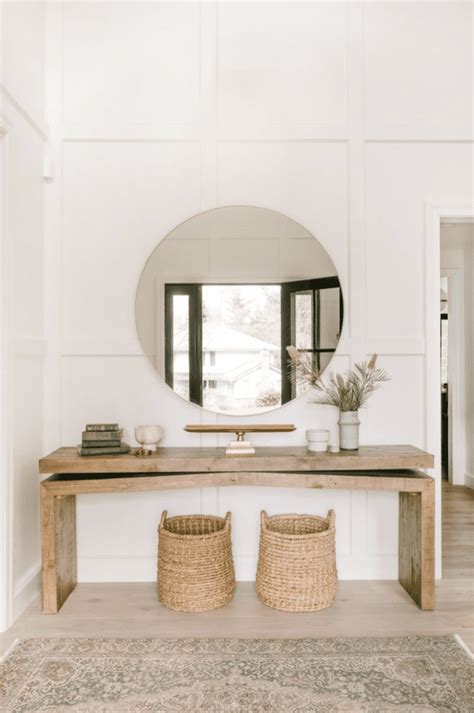
Your entryway table sets the tone for your entire home, making it the ideal spot to combine high-impact visual appeal with everyday convenience. Start by anchoring the table with a vertical element, such as a round mirror or a piece of framed artwork, which helps fill the vertical wall space and bounces light around a typically compact area. Beneath this focal point, establish a drop zone for daily essentials by adding a stylish ceramic tray or a small wooden bowl to catch keys, mail, and sunglasses as soon as you walk through the front door.
To soften the hard lines of the furniture and wall, introduce an organic touch with a modest vase filled with seasonal branches, dried stems, or fresh flowers. Balance the organic element with a structural accent, such as a heavy book stack topped with a decorative brass object or a small sculptural lamp. If your entryway table has a lower shelf, use that lower real estate to store woven baskets for shoes, umbrellas, or extra winter accessories, keeping the top surface clean and inviting.
Console Table Styling Ideas for Hallways and Living Areas
Console tables placed in hallways or along living room walls often serve as transitional moments between rooms, meaning they should complement the surrounding decor while maintaining their own distinct identity. Because hallways are primarily thoroughfares, your styling choices should remain relatively slim to avoid obstructing foot traffic. A streamlined console table pairs wonderfully with a pair of matching table lamps on either end, creating symmetrical lighting that makes narrow hallways feel wider and more welcoming.
If you prefer an asymmetric, collected-over-time look, place a single taller lamp on one side and balance its visual weight on the other side with a vertical stack of art books and a scented candle. Incorporate diverse textures such as smooth marble, raw wood, woven rattan, and polished metal to keep the monochromatic or neutral palette interesting. If your console table features drawers, use them to stash away loose household items like chargers, extra coasters, or notepads, ensuring the surface above remains pristine.
Sofa Table Styling Techniques for Behind-the-Couch Arrangements
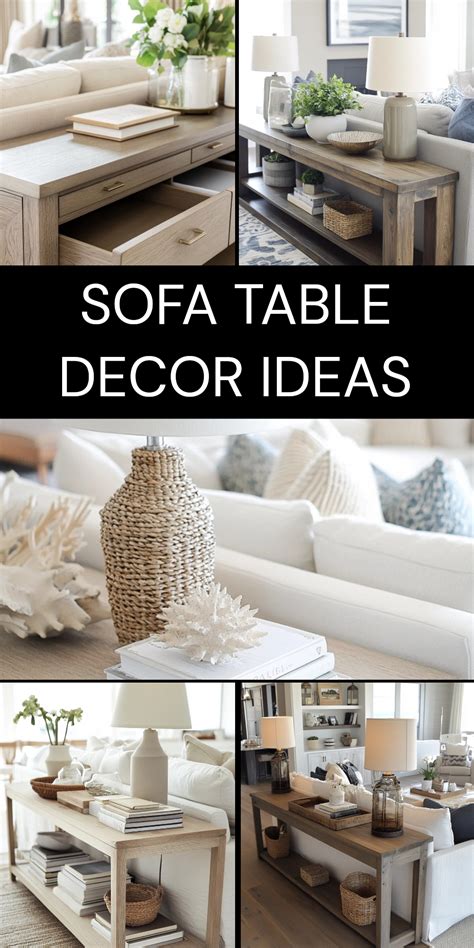
Styling a sofa table—a narrow table positioned directly behind a floating living room sofa—requires careful consideration of height and safety. As a general rule, the surface of a sofa table should sit either flush with the top of the sofa back or slightly lower, ensuring that sitting guests do not lean back into unstable objects. Avoid placing tall, fragile ceramic items or precarious glass vases in high-traffic seating zones; instead, opt for sturdy, heavy items that can withstand everyday family life.
Lighting is often the primary function of a sofa table, so placing a pair of sturdy buffet lamps on either end is a practical choice that provides warm ambient illumination for reading or relaxing. In the center space between the lamps, arrange a low wooden tray holding remote controls, a small decorative box, or a collection of coffee table books. This setup keeps living room clutter neatly corralled while maintaining an open, polished look that elevates the entire seating arrangement.
Frequently Asked Questions
How do I style a console table without making it look cluttered?
To prevent a console table from looking cluttered, embrace negative space by leaving at least one-third of the surface empty. Stick to an edited palette of three to four materials, and use trays or low bowls to group small items together rather than scattering them across the table.
What should I put on a sofa table?
A sofa table is ideal for anchoring living room lighting and functional storage. Consider placing matching table lamps on either end for ambient light, a low tray for remotes or coasters in the center, and sturdy art books or decorative objects that sit safely below or flush with the sofa back.
How do I create height variation on a narrow table?
Create dynamic height variation by combining vertical elements like tall lamps, mirrors, or framed art with mid-height items like vases or candleholders, and low-profile objects like stacked books or decorative trays. This stair-step effect prevents the display from looking flat.
What are the best decor items for an entryway table?
The best entryway table items combine function and beauty. Include a mirror or wall art for vertical interest, a small bowl or tray for keys and mail, an organic element like a vase of branches, and woven baskets on a lower shelf for hidden storage.


